

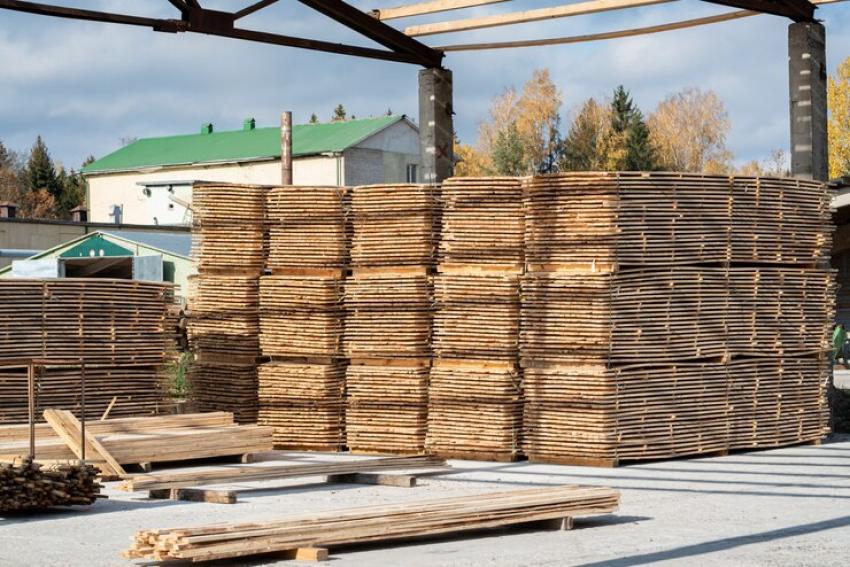
Wooden pallets play an important role in moving goods between countries. However, untreated wood can carry pests that may harm trees and plants. Businesses searching for heat-treated pallets need to understand the rules. Checking a few details before ordering can help prevent shipping problems.
What Are Heat Treated Pallets?
Heat treated pallets are wooden pallets that have been heated to kill harmful pests. The process uses controlled heat to make the wood safer for international shipping. It helps stop insects from spreading between countries. This makes heat-treated pallets for sale in Dublin useful for businesses that export goods.
Heat treatment is different from drying wood. Drying mainly removes moisture, while heat treatment targets pests inside the timber. A dry pallet does not always meet international shipping rules. Buyers should check the treatment details before placing an order.
Why Does ISPM 15 Matter?
ISPM 15 is an international standard for wooden packaging used in global trade. It helps stop harmful pests from moving across borders. Many countries require wooden pallets to meet this standard. However, the rules can vary depending on the shipping destination.
During approved heat treatment, the wood must reach 56°C for at least 30 continuous minutes. This temperature helps control pests that may live inside the timber. Businesses buying heat treated pallets should confirm that the correct process was followed. This can help reduce problems during customs inspections.
Check the ISPM 15 Stamp
An ISPM 15 stamp shows that wooden packaging has received an approved treatment. The mark also provides details about where the treatment was carried out. Buyers should check this stamp before using pallets for international shipping. A missing or unclear stamp may cause problems at customs.
A valid stamp normally includes:
The official IPPC symbol
A country code
A registered producer or treatment provider code
The letters HT for heat treatment
The HT marking shows that an approved heat treatment process was used. Buyers should make sure the stamp is clear and easy to read. When comparing heat treated pallets, this is an important detail to check.
Check the Shipping Destination
Different countries may have different rules for wooden packaging. Some shipments need treated pallets, while others may not. The requirements depend on where the goods are being sent. Businesses should check these rules before buying pallets.
For example, shipments within certain trade areas may have fewer treatment requirements. Goods travelling outside these areas may need ISPM 15 compliant packaging. Heat treated pallets can help businesses meet these requirements when treatment is necessary. However, buyers must still check the rules for their destination.
Inspect the Pallet's Physical Condition
Heat treatment does not mean a pallet is strong or free from damage. A treated pallet can still have broken boards or loose nails. These problems may affect how safely goods are carried. Buyers should inspect each pallet before loading products.
Look for cracked boards, damaged blocks, and weak joints. Check whether the pallet can safely hold the planned load. Pallets used many times may need extra attention. Good quality heat treated pallets should meet both treatment and handling requirements.
Choose the Right Pallet Size
Pallet size affects how goods fit inside vehicles and warehouses. Euro pallets commonly measure 1200 × 800 mm. Other pallet sizes may suit different products or loading systems. Buyers should measure their goods before choosing a pallet.
Weight is another important factor. Some pallets are designed for heavier loads than others. Poor weight distribution can also damage goods during transport. Heat treated pallets should match the size and weight of the shipment.
Should You Choose New or Used Pallets?
Both new and used pallets can meet heat treatment requirements. New pallets usually have less wear from previous handling. Used pallets may cost less but need careful inspection. The best choice depends on the load and shipping needs.
Used pallets should have clear treatment markings and sound wooden parts. Repairs can sometimes affect whether an existing treatment mark remains valid. Buyers should ask about repairs when purchasing used pallets. This helps avoid problems during international transport.
Questions to Ask Before Ordering
Buying pallets becomes easier when the requirements are clear. Businesses should confirm the treatment, size, and load capacity before ordering. They should also check whether the pallets suit their shipping destination. These steps can prevent mistakes and extra costs.
Ask these questions:
Do the pallets have a valid ISPM 15 stamp?
What sizes and load capacities are available?
Are the pallets new or used?
Have any used pallets been repaired?
Can the required quantity be supplied?
These questions help buyers compare heat treated pallets based on their needs.
Final Thoughts
Choosing the right wooden pallets requires more than checking the price. Buyers should review treatment markings, pallet condition, and shipping rules. Size and load capacity also matter for safe transport. Checking these details early can help avoid delays.
Businesses looking for heat-treated pallets for sale in Dublin should focus on quality and compliance. The right pallet should suit both the goods and the destination. Careful checks make international shipping easier and more reliable.