
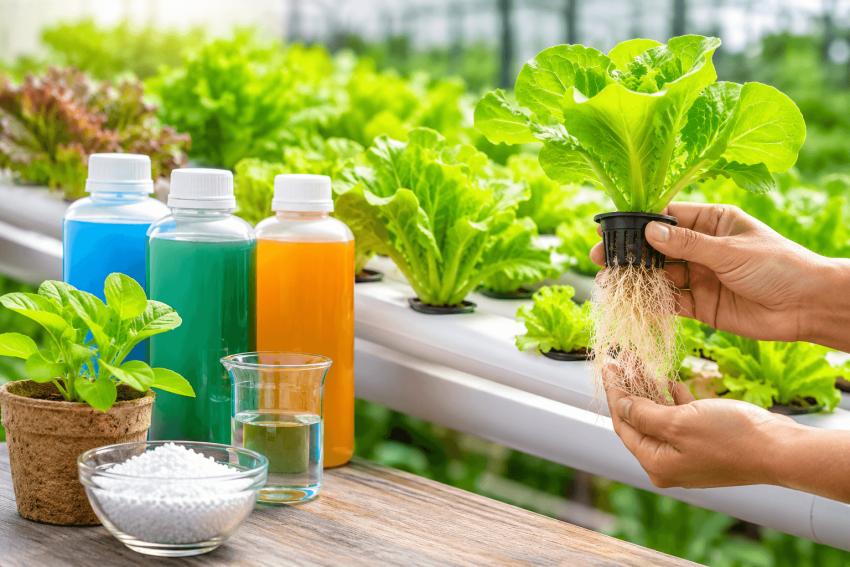
We all know how complicated it is to do even normal gardening, so it is acceptable that you face problems while doing hydroponic gardening. The thing they are the living beings concern us the most. We remain worried about their growth, whether we are giving them too many hydroponic nutrients or they are dying out of lack of nutrients. These confusions and questions make us anxious all the time, but the idea was completely different. It was to make you able to do gardening or farming even without soil, so you can have fresh and nutrient-filled food without any extra effort.
And it is completely fine if you are confused or making any mistakes, but now is your time to improve those mistakes and lean towards sustainable and tension-free gardening. In this blog, you will be provided with a guide that can help you achieve the result you want, so you can enjoy the gardening process rather than making it a critical project.
Embracing Recirculation Without Fear
- Getting Out of the Habit of Dumping
When the leaves of the plants appear a little bit pale or curved, we become alarmed and begin dumping gallons of water down the drain and start all over again. The process of dumping large quantities of water every other day ruins the environmental benefit of growing plants in the absence of soil. Sustainability is about recycling in a closed-loop system so you can use that water elsewhere.
- Coping With Secretions of Hidden Root Exudates
Since water is cycled through the system every several weeks, there is the inevitable natural occurrence of secretions from roots. These secretions build up over time, causing autotoxicity that results in stunted growth. This calls for the use of good hydroponic equipment like mechanical filtration, effective aeration systems that dissolve oxygen or ultraviolet sterilisation that clears these organic compounds without emptying tanks.
Practical Steps for Steady Feeding
- The Advantage of Pure Top Off Water
In order to avoid the slow-acting minerals competing for your plants’ nutrients, take care to be observant with regard to your water source. Hard water has some background salt, which builds up over time and distorts your results and deprives your plants of their nutrients. Using pure RO or filtered water to top off eliminates this problem.
- Refreshing on a Planned Two-Week Rhythm
The problem arises when we do not follow the schedule and act randomly, and then, when things go wrong, we panic. If you want to make it a smoother process, then studies have shown that changing the nutrient solution every 2 weeks can help prevent hidden mineral imbalances. When you are following this timetable, you know when to act and do not live in constant anxiety about what to do next.
- Testing pH Levels Before Adding Nutrients
Before you run off to purchase more fertilisers to solve the issue of yellowing foliage, get your pH tester first. Once water levels go beyond the safe range of 5.5 to 6.5, the chemical receptors of your plant's root system will be effectively blocked from absorbing nutrients that are available in the vicinity. Adding nutrients in this case will not solve the problem, but may burn the roots.
The Illusion of the EC Meter
- Why Conductivity Numbers Can Sometimes Be Wrong
It seems that most farmers think that an EC meter is some sort of indestructible fuel gauge. A constant reading means well-nourished plants, right? Well, putting blind trust in your gauge numbers is probably the most common hydroponic mistake people make. An EC meter only reads the total amount of electrically charged particles in your water. It can’t distinguish between nitrogen that your plants are craving and useless background salts accumulating at their roots.
- The Accumulation of Background Salts
If you fill up your reservoir with regular tap water, the minerals that plants take up slowly, such as calcium, bicarbonates, and sodium, start to build up. The background salts increase the conductivity value, making it seem like there are plenty of nutrients in the solution, but without any nitrogen and potassium in the solution.
Closing the Loop Responsibly
- Protection of Open Water Sources
When an actual batch of nutrients reaches the end of its useful life, don’t pour it into the storm drains of your city. Residual levels of nitrates and phosphates can enter streams in your community, causing harmful algal blooms.
- Giving Spent Solution a Second Purpose
However, when you empty your tank, take that water out and use it outside instead of dumping it into the drainage system. Use that solution to irrigate your garden, flowers, bushes, or compost heap. The natural soil outside is full of microbes and minerals that absorb these nutrients and make use of them. What is now useless for your water system can serve as natural fertiliser for your garden soil.
Conclusion:
The science of hydroponics was never meant to be an intimidating test of chemistry that keeps you up all night. It is just working with living plants. With the help of a consistent schedule, focusing more on how your plants' leaves look rather than stressing over small numbers, and doing the right thing, you will be able to harvest your own food