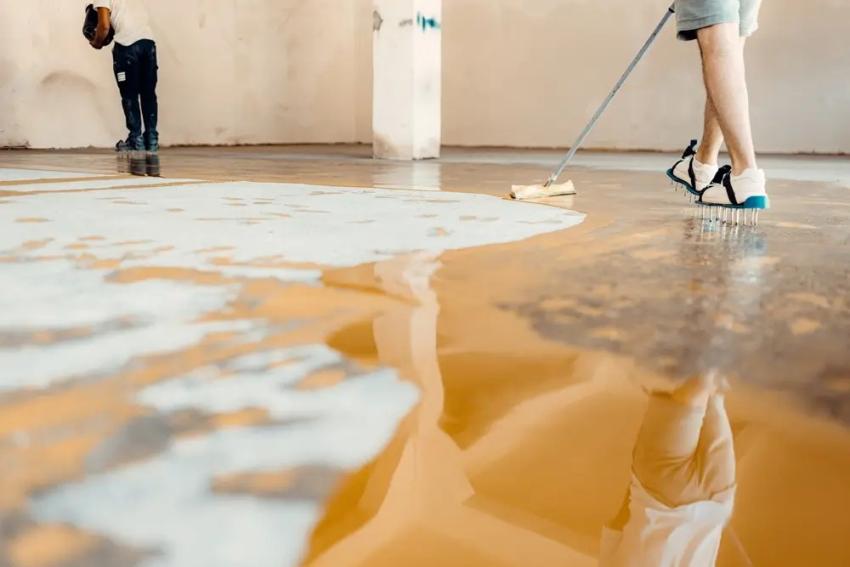
An epoxy floor looks permanent the day it is finished. The surface is glossy, hard and seamless, so it is easy to assume it will never need attention. That assumption leads to some expensive surprises. Anyone comparing epoxy floor painting and coating services in Melbourne will meet a handful of myths early, and a few of them can cost real money.
This guide sorts four common beliefs into myth and fact. It covers what a coating can and cannot do, which floors suit one, and where a project usually goes wrong. The facts below come from well-established flooring practice. Where a claim comes from a painting company's own website, the article says so.
Myth: An Epoxy Coating Never Wears Out
Epoxy is a two-part product. A resin and a hardener are mixed, and the mixture cures into a hard, plastic-like layer that bonds to the floor. One Melbourne painting company describes it this way on its own service page. That layer is tough, but it is still a coating, and every coating wears.
Fact: how long a floor lasts depends on how it is used. Here is what shortens its life.
Heavy forklift or pallet-jack traffic in one fixed path
Dragged metal objects, such as steel tool chests
Hot tyres, which can soften and lift some coatings
Strong sunlight, which can yellow certain epoxy types over time
Poor preparation, which is the most common cause of early failure
Epoxy resists many chemicals, stains and scratches. That is a real strength. It is not the same as being indestructible. A sensible owner expects to touch up worn lanes or add a fresh topcoat at some point. Anyone who promises a lifetime of zero maintenance is selling a story, not a floor.
What a clear topcoat adds
Many coating systems finish with a clear protective layer over the colour coat. It takes most of the daily abuse. When the topcoat dulls, a recoat can restore it. That is usually cheaper than stripping the whole floor. Ask which finish layers a system includes and how each one is repaired.
Myth: Any Floor Can Take Epoxy
One local painter's website says its coatings suit concrete, wood and tile. That is the company's own statement. Read it carefully. A coating only works when it bonds, and bonding depends on the surface underneath.
Fact: concrete is the standard surface for epoxy, and even concrete has limits. A slab must be sound, dry and free of oil. Several problems rule a floor out or call for extra work first.
Deep cracks or crumbling patches that need repair before coating
Old sealers or paint that block the new layer from gripping
Oil that has soaked into the slab and keeps rising to the surface
Damp that pushes up from the ground below
Timber and tile move and flex differently from a solid slab. A rigid coating over a flexing surface can crack along the joints. A good installer inspects the floor first and says plainly if it is a poor candidate. If someone quotes without looking at the surface, treat the quote with caution.
Myth: A DIY Kit Gives the Same Result as a Professional Coat
Hardware stores sell epoxy kits, and some are decent products. The kit is rarely the problem. The work around it is.
Fact: most of the quality in a coated floor comes from the steps before the coating goes on. One Melbourne company lays out its process on its epoxy floor service page. It lists four stages: a consultation and floor assessment, surface preparation, application in several layers, and a curing period followed by an inspection. The preparation stage includes cleaning off grease and debris, repairing cracks, and mechanical grinding.
That grinding step matters. A smooth, sealed concrete floor gives epoxy very little to grip. Grinding opens the surface so the resin can key into it. A diamond grinder usually does this better than hand tools or acid etching. Most home kits skip this stage or shrink it.
Where DIY projects tend to fail
Three problems show up again and again. The first is peeling at the edges, where the floor was not ground or cleaned well. The second is bubbles, which appear when the mixture is rushed or applied in the wrong conditions. The third is patchy colour from uneven rolling. Each one is fixable, but fixing a failed coat means grinding it off, and that costs more than doing it properly the first time.
Here is a hypothetical example. A homeowner coats a double garage over a weekend with a kit. The slab was only swept, and nobody tested it for moisture. Six months later, the coating lifts under the car tyres, and a damp patch shows near the door. The kit did not fail. The floor was never ready for it. Now the whole surface has to be ground back before anyone can start again.
DIY still has a place. A small, dry, sound slab in a shed can suit a careful beginner. A large garage, a workshop or a shopfront is a different job.
Fact: Moisture and Preparation Decide the Outcome
Concrete looks solid, but it is porous. Water vapour can travel up through a slab from the ground, even when the surface feels dry. Epoxy is a sealing layer. If vapour pushes up under it, the coating can blister or lift away in sheets.
Moisture testing is the simple fix. A common field check is to tape a square of clear plastic to the floor and leave it for about a day. Condensation under the plastic, or a dark patch on the concrete, points to moisture rising from below. Professional installers also use meters for a more exact reading. Either way, the test should happen before any product is opened.
Any provider of epoxy floor painting and coating services in Melbourne should be able to explain how it checks for moisture, and what it does when the result is high. Some jobs need a moisture-blocking primer first. Others should wait until the slab dries, or skip epoxy altogether. A clear answer to this one question says a lot about the installer.
Other preparation steps are just as important.
Clean the floor and remove oil, grease and loose dirt.
Repair cracks, chips and holes so the surface is even.
Grind the concrete to give the coating something to grip.
Vacuum the dust completely before the first coat.
Check the temperature and humidity on the day of application.
The painting company's epoxy floor paint and coating page follows much the same order, from cleaning and crack repair to mechanical grinding before the epoxy goes on. That matches common practice.
Skipping any of these steps can ruin a good product. This is why two floors coated with the same material can look completely different two years later.
Myth: Epoxy Is Only for Garages
Garages are the best-known use, so the myth is understandable. The real range is wider. Epoxy suits any floor that takes heavy use and needs to be cleaned easily.
Workshops and warehouses with regular foot and trolley traffic
Shopfronts and showrooms that want a clean, glossy look
Commercial kitchens and food prep areas, where cleaning matters
Laundries, utility rooms and basements at home
The painting company mentioned earlier lists epoxy floors under its commercial services and also says the finish comes in many colours, patterns and finishes. Its page presents ease of cleaning as a benefit for busy commercial spaces. Those are the company's own claims, not independent findings, but they fit what the product is generally used for.
Fact: smooth, glossy epoxy can be slippery when wet. Areas near doors, ramps and wash bays often call for an anti-slip additive in the topcoat. Choose the finish for how the room is used, not only for how it looks.
What Curing Time Means for Your Schedule
A fresh coat is not ready the moment it feels dry. The same company states that curing typically takes 24 to 72 hours, depending on the epoxy type and the conditions. That range is a useful planning guide, not a promise for every job.
Light foot traffic often comes first. Parking a car or moving heavy equipment back in comes later. Cool or humid weather can slow the cure, which matters in Melbourne, where the weather changes quickly. Ask the installer for a clear return-to-use plan in writing, with separate dates for walking, light loads and vehicles.
Caring for a Coated Floor
Epoxy is easy to clean, and the same company says no special products are needed. Plain sweeping and mopping with mild detergent handle most days. A few habits protect the finish.
Wipe up oil, fuel and brake fluid spills soon after they happen.
Lift heavy items instead of dragging them across the surface.
Use mats under bike stands and workbench legs.
Avoid harsh solvents unless the installer approves them.
Small chips are worth fixing early. Moisture and dirt can creep under a chipped edge and spread the damage. Ask the installer whether touch-up material is available and how to apply it. Keep any product details from the job so a repair later can match the original colour.
How to Judge a Quote Without Falling for a Myth
A good quote explains the work in plain words. Use these checks to compare two or three.
Does it describe the floor condition after an actual inspection?
Does it say how the surface will be prepared, including grinding?
Does it mention moisture testing before coating?
Does it list each coat and the finish layer?
Does it give a cure time and a return-to-use plan?
Does it say what is covered if the coating fails, in writing?
Be careful with any claim that sounds too good. Words like "lifetime" and "maintenance free" deserve a follow-up question. The best answer is a specific one: what product, what preparation, and what happens if something goes wrong. Warranty terms and prices should come from the installer directly, because they differ between jobs.
A Floor Is Only as Good as Its Preparation
The four myths share one idea. Epoxy is a strong coating, and strength only counts when the job is done in the right order. Choosing epoxy floor painting and coating services in Melbourne comes down to checking the slab, testing for moisture, grinding properly and allowing time to cure.
Local painters such as City Home Painting offer free consultations and quotes, according to their website. That is a sensible first step for anyone who wants a floor assessed before committing. Bring the list of questions above and ask for the answers in writing.