
Strong water pressure may seem convenient, but excessive pressure can damage household plumbing. Faucets, supply lines, and appliances experience additional strain when pressure exceeds suitable levels.
Sudden pressure changes may indicate a malfunctioning pressure regulator. However, other plumbing conditions can produce similar symptoms. Professional Water Pressure Regulator Repair Services in San Diego can help identify the problem and recommend appropriate repairs. Understanding the warning signs helps homeowners prevent unnecessary damage.
What Does a Water Pressure Regulator Actually Do?
A water pressure regulator controls the pressure entering your home's plumbing system.
Municipal supply pressure may exceed the level suitable for residential fixtures. The regulator reduces incoming pressure to a more manageable setting.
Most residential plumbing systems operate effectively within a pressure range of approximately 40–80 psi. Actual requirements depend on plumbing conditions and applicable codes.
A functioning regulator helps protect connections, valves, and water-using appliances.
When the regulator fails, pressure may become excessive or inconsistent.
1. Faucets Suddenly Release Water With Excessive Force
One noticeable warning sign is unusually forceful water flow from faucets.
Water may splash aggressively when opening a bathroom or kitchen tap. Showerheads may also deliver stronger flow than previously experienced.
However, increased flow does not automatically confirm regulator failure.
Changes in municipal supply pressure or fixture conditions can produce similar effects.
Professional Water Pressure Regulator Repair Services in San Diego can determine whether incoming pressure requires adjustment.
2. Pipes Make Banging or Knocking Sounds
Unusual pipe noises can develop when water flow changes suddenly.
A condition called water hammer occurs when moving water stops abruptly. The resulting pressure surge can create noticeable banging sounds. Excessive supply pressure may worsen this problem.
However, loose pipes, faulty valves, and inadequate surge protection can also contribute.
A qualified technician can inspect pressure levels and evaluate the affected plumbing components. Correct diagnosis prevents unnecessary regulator replacement.
3. Faucets and Plumbing Connections Develop Frequent Leaks
High water pressure places additional stress on plumbing seals and connections. Homeowners may notice recurring faucet leaks or moisture around supply fittings.
Appliance hoses and toilet fill valves can also experience unnecessary strain. These problems may develop gradually rather than appearing simultaneously. Warning signs include:
Repeated faucet dripping
Leaking supply connections
Frequent toilet valve problems
Moisture around appliance hoses
Unusual pressure fluctuations
A single leaking fixture does not necessarily indicate excessive pressure. However, recurring problems across multiple fixtures deserve further investigation.
4. Water Pressure Changes Throughout the Day
A failing regulator may allow inconsistent pressure within the plumbing system. Water flow might feel unusually strong during certain periods and weaker during others.
Pressure fluctuations can also result from changing municipal supply conditions. Some regulators develop internal wear that affects their ability to maintain stable downstream pressure.
Professional Water Pressure Regulator Repair Services in San Diego can measure pressure under appropriate testing conditions. These measurements help determine whether the regulator is functioning correctly.
5. Your Water Heater or Appliances Show Unusual Symptoms
Excessive pressure can affect appliances connected to household plumbing. Dishwashers, washing machines, and water heaters depend on suitable operating pressure.
High pressure may contribute to connection leaks or premature component wear. Water heater relief valve discharge can also indicate pressure-related concerns.
However, temperature problems and thermal expansion may produce similar symptoms. A professional inspection should identify the actual cause before replacing equipment.
How Can You Check Your Home's Water Pressure?
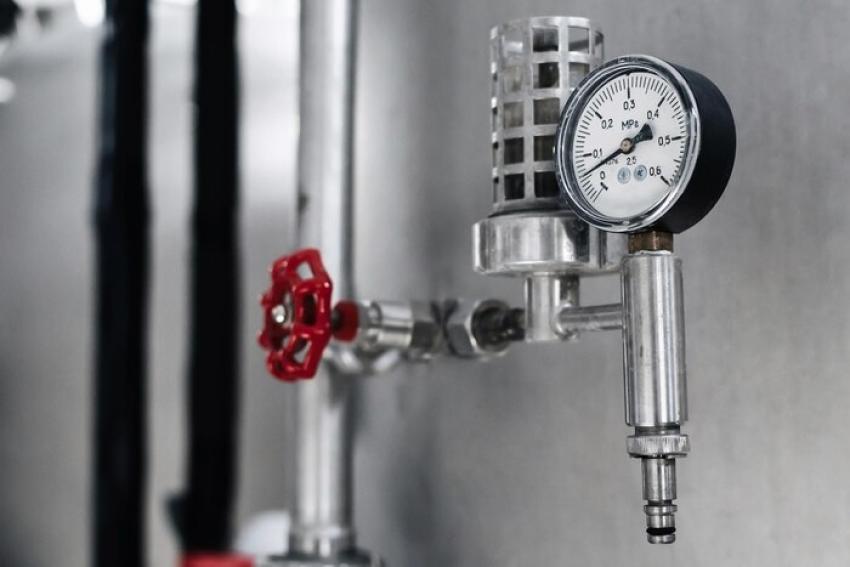
A water pressure gauge can provide useful information about household supply pressure. These gauges commonly connect to suitable outdoor hose bibs or other threaded outlets.
Measurements should be taken according to the gauge manufacturer's instructions. Pressure readings above 80 psi generally warrant professional evaluation in residential systems.
However, a single reading may not reveal intermittent pressure changes. Avoid adjusting an unfamiliar regulator without understanding the plumbing system.
Should You Repair or Replace a Faulty Pressure Regulator?
The appropriate solution depends on the regulator's condition and the cause of failure. Some pressure problems result from incorrect settings or serviceable components.
Others involve worn internal parts, corrosion, or damaged regulator assemblies. Replacement may be more practical when the regulator cannot maintain stable pressure.
Professional Water Pressure Regulator Repair Services in San Diego can evaluate these conditions before recommending corrective work. The technician should also verify pressure after completing the repair.
How Can You Prevent Pressure Regulator Problems?
Routine plumbing inspections can help identify developing pressure issues. Monitor noticeable changes in faucet performance and recurring fixture leaks.
Consider checking household water pressure periodically, especially after supply system changes. Avoid ignoring persistent banging noises or repeated appliance connection failures.
A professional can also evaluate whether thermal expansion protection is appropriate.
Protect Your Plumbing From Excessive Water Pressure
High water pressure can gradually damage fixtures, valves, and connected appliances.
Recognizing unusual flow, pipe noises, and recurring leaks helps homeowners respond before problems worsen. Professional Water Pressure Regulator Repair Services in San Diego can identify regulator failures and restore suitable pressure conditions.
Maintaining controlled water pressure supports plumbing reliability and helps reduce avoidable repair expenses.