

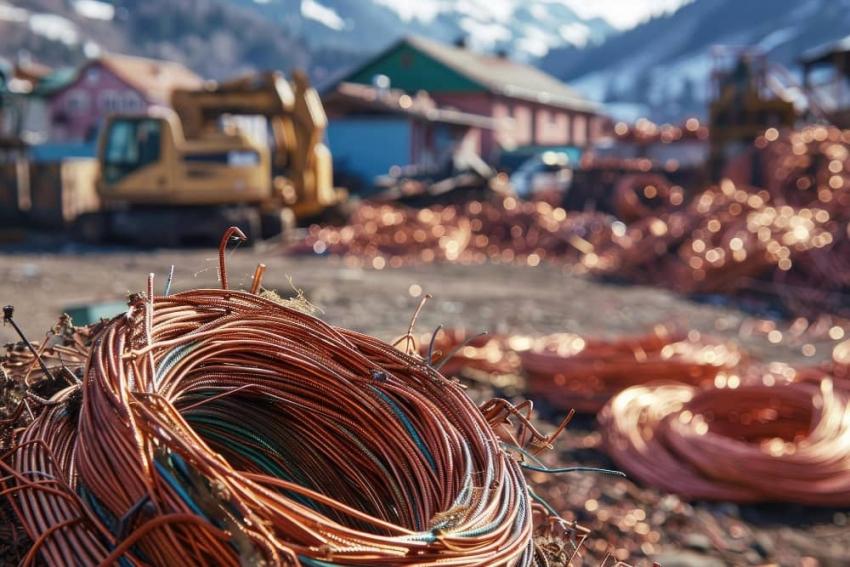
Copper is in more places than most people expect. It runs through the walls of a house, the motor of a washing machine and the circuit board of an old phone. When any of those items reaches the end of its life, the copper inside can be taken out and used again. That process has a name, and this guide explains it in plain words. If you are curious about copper recovery services in melbourne, or you have a pile of old equipment and wonder what it is worth, start here.
What "copper recovery" actually means
Copper recovery means taking copper out of a larger item or a mixed pile of waste. The item might be a cable, a pipe, a motor or an electronic board. The copper might be a thin wire or a tiny layer on a circuit board.
Three words get mixed up, so it helps to separate them:
Recovery: getting the copper out of whatever it is attached to
Recycling: sending that copper back into use instead of landfill
Refining: purifying the recovered copper so it meets a manufacturer's standard
The three steps often happen one after the other. A business may do all three, or only one and then pass the copper on. Knowing which step a business handles tells you what to ask it.
Why copper is worth recovering
Copper keeps its useful properties when it is recycled. It conducts electricity and heat well, and melting it down does not wear those properties out. This is why recovered copper can go back into new cable, plumbing and electronics.
Recovery also saves energy compared with mining and smelting new ore, and it keeps metal out of landfill. For a household or a business, there is a simple money reason too. Copper has a market price, so a pile of scrap has real value.
How recovery works, step by step
The exact process depends on the material, but most recovery follows the same path.
Collection: The material is picked up or dropped off.
Sorting: Staff separate copper-bearing items from other waste, and sort by type and purity.
Preparation: Cable is stripped or shredded. Motors are taken apart. Pipes are cleaned.
Separation: Copper is split from plastic, steel or other metals.
Melting and refining: For higher grades, the copper is melted and purified.
Resale: The recovered copper goes back to manufacturers.
Not every business that offers copper recovery services in melbourne performs every step. Many collect, sort and sell on. Some operate their own processing equipment. Both models are common, and each affects what you will be paid and how the paperwork looks.
What affects the result you get
Four things decide how much a recovered load is worth.
Purity: clean copper earns more than painted, oily or mixed material
Quantity: bigger loads are often easier to price and to collect
Type: bare wire, pipe and insulated cable each have their own rate
Market price: global copper prices move, so the same load can be worth different amounts on different days
The first factor is the one a seller controls. Sorting and cleaning before the visit usually pays for itself.
Looking at one local business
It helps to see how an actual business describes the service. Melbourne Scrap Copper, based in Craigieburn, describes its copper refinery service as a path from collection through sorting, smelting, electrolytic refining and final recovery. It lists copper wire, cables, pipes, sheets, plates, e-waste and industrial scrap among the material it takes, and it says price depends on market value, purity, quantity and scrap type.
Those are the business's own statements, and the page gives no price per kilo. A new seller should treat them as a starting point and ask for a quote based on a real load. That is good practice with any provider, and a clear answer on the phone is a better test than any web page.
Three short examples of recovery in practice
These examples are made up to show the idea. They are not real customers.
A plumber replaces an old hot water system
The plumber ends the day with a bag of copper pipe and fittings. Some pieces have brass joins. The plumber sorts the pipe from the fittings and brings both in. The pipe is paid at the copper rate. The brass is paid at the lower brass rate. Sorting took ten minutes and kept the pipe at the higher price.
A family clears out a shed
The shed holds an old drill, a broken fan and a tangle of extension leads. Each item has a little copper in it. None is worth much alone. Together they fill a small box. The family calls a business that offers copper recovery services in melbourne and asks if small mixed boxes are welcome. They learn there is no point cutting the leads open at home, because the buyer handles that part.
A workshop closes down
The workshop has electric motors, offcuts of copper sheet and rolls of wire. The owner has a lot to move and little time. A collection visit makes sense, since the load is heavy. The owner photographs the stock and sends the photos ahead, so the business can plan the right vehicle.
The three cases look different, but they share one habit. Each seller sorted first, asked questions and kept the load dry.
Questions a beginner should ask
You do not need technical knowledge to hold a good conversation. These questions work for most situations:
Do you take this type of material?
Do you collect, or do I deliver?
How do you decide the price?
Do you weigh the load while I watch?
When and how do you pay?
A provider that answers all five without hesitation has probably handled many loads like yours. Hesitation or vague answers are a reason to try another business.
Simple preparation that raises the value
Preparation takes little time and has a real effect on price.
Separate copper from steel, brass and aluminium with a magnet
Remove plugs, clips and fittings from wire and pipe
Keep pipe, wire and motors in separate piles
Keep everything dry, because wet metal weighs more without being worth more
Photograph the pile so the buyer can give a firm opinion before the visit
Handle old cable and motors with care. Cable can be damaged, and some equipment holds oil or old chemicals that need special disposal. When in doubt, describe the item to the provider and ask.
Where to go from here
Copper recovery is not complicated once the words are clear. Material comes in, copper comes out, and the clean copper goes back to industry. If you are comparing copper recovery services in melbourne, focus on what each business does with your material, how it sets a price and how openly it explains each step. A short phone call with those questions is the best first step, and a prepared, sorted load gives you the strongest result.