
A friendly quote is not proof of a reliable builder. Many people pick a construction company in Cape Town on price and personality, then discover the gaps halfway through the job. A few checks made early can prevent most of that regret.
This list gives seven checks in the order they are most useful. Each one is simple, and none needs technical knowledge. Together they give a clear picture of who you are about to hire.
What a construction company actually does
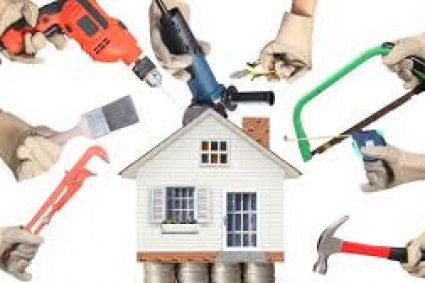
The title covers many kinds of business. Some firms build new houses from the ground up. Others focus on extensions and renovations. Some add finishing trades such as painting and waterproofing. A few specialise in work at height, such as facade repairs.
Knowing which type you need narrows the search. A company that builds new homes may not suit a small repair. A repair specialist may not hold the registration needed for a new build. Match the company to the job before you compare prices.
Before you call anyone: write a short brief
Contractors can only quote what they understand. A one-page brief saves time on both sides. It should cover these points:
What you want built or repaired, in plain words
The address, the access and any known problems
Your budget range and your ideal timing
Any plans, photos or drawings you already have
What matters most: cost, speed, quality or minimal disruption
Send the same brief to every company. When the quotes come back, they will be answering the same question, and the differences between them will be easy to see.
1. Check registration and legal standing
Start with the basics. In South Africa, home builders must be registered with the National Home Builders Registration Council (NHBRC), and new homes must be enrolled with it. Ask for the registration number and the certificate. Check that the company name on the paperwork matches the name on the quote.
Also ask whether the business is a registered company with a physical address. A contractor who cannot give an address or company details is a risk.
2. Ask for a written, detailed quote
A good quote reads like a plan. It lists the work in stages, names the main materials and states what is excluded. It shows how extra work will be priced.
A vague quote that fits on half a page invites disputes. Ask each company to quote the same scope, then compare line by line. If one figure is far lower, find out what it leaves out.
3. Look at completed work and ask for references
Photos help, but visits help more. Ask to see finished projects similar to yours and to speak with a past client. Ask the client three things: whether the job finished on time, whether the budget held and how problems were handled.
Most contractors with a solid record are glad to share references. One example is a Cape Town contractor that lists construction, renovations, painting, waterproofing and rope access among its services. Whichever company you consider, look for a portfolio that matches the type of work you need.
4. Confirm insurance and safety practice
Building work carries risk, so insurance matters. Ask for proof of public liability cover and of workers' compensation cover. Ask who is responsible if a worker is injured on your property or if the work damages a neighbour's wall.
Look at site habits too. Are workers wearing basic protective gear? Is the site tidy? Are tools stored safely? A well-run site is a good sign of a well-run company.
5. Understand the contract and payment schedule
Never start without a written contract. It should state the scope, the price, the start and end dates and the payment stages. Payments should follow completed stages, not arrive as one large deposit.
A modest deposit to secure materials and booking
Stage payments tied to finished work
A final payment held back until the snag list is cleared
Be careful with any demand for most of the money upfront. It removes your leverage if the work stalls.
6. Ask about subcontractors and supervision
Almost every construction company in Cape Town uses specialist subcontractors for electrical, plumbing and tiling work. That is normal. What matters is who supervises them, who is responsible for their work and who you call when something goes wrong.
Ask who will be on site each day and whether a named person manages the project. A company that cannot answer is likely to leave you chasing different trades on your own.
7. Test their communication
Pay attention to how the company behaves before the contract. Do they return calls? Do they answer questions plainly? Do they explain risks, or only promise that everything will be fine?
Communication before the job is the best predictor of communication during it. A company that is slow and vague at the quote stage is unlikely to improve once it has your deposit.
Red flags worth walking away from
Some warning signs should end the conversation. Walk away if you meet any of these:
No registration details, or details that do not match the company name
A quote with no breakdown
Pressure to sign quickly or to pay in cash
A refusal to put the scope in writing
No insurance or no address
Local conditions a good builder will raise
Cape Town has its own building pressures. Winter rain tests roofs and damp-proofing. Coastal wind and salt wear down fixings and paint. Older houses may need checks for asbestos materials before any drilling or demolition.
A good builder raises these points without being asked and explains how the plan deals with them. If a company never mentions water, wind or approvals, it may be skipping the hard parts of the job.
Approvals are part of the job
Structural changes, new rooms and extensions need building plan approval from the City of Cape Town. Cosmetic work such as painting generally does not. A reliable company knows which category your project falls into and tells you who submits the plans.
Ask for the approved plans before work begins. Keep a copy, because you will need it when you insure, refinance or sell.
How to compare two good quotes
Sometimes two companies pass every check and the quotes still differ. In that case, look closely at what each one includes.
Compare the materials named in each quote. A branded product and an unnamed product are not the same. Compare the timeline, the payment stages and the length of any guarantee. Check who handles waste removal, site cleaning and municipal paperwork.
Then ask each company one question: what could go wrong with this job, and how would you handle it? A thoughtful answer shows experience. A confident promise that nothing will go wrong shows the opposite.
Putting the checks into a simple routine
Shortlist three companies. Send each the same written brief. Meet them on site and ask the same questions. Score each on the seven checks, then compare the results side by side.
This routine takes a few evenings, and it saves months of stress later. It also gives you a record, which helps if a dispute ever arises.
Closing thoughts for the shortlist stage
The best contractor is rarely the cheapest or the smoothest talker. It is the one who answers clearly, documents everything and is happy to be checked. KD Global Construction is one example of a Cape Town business that lists construction, renovations, painting, waterproofing and rope access together, and it shows the range some firms offer. Use the same seven checks on any company before you commit, and the choice of construction company in Cape Town becomes a reasoned decision instead of a gamble.