

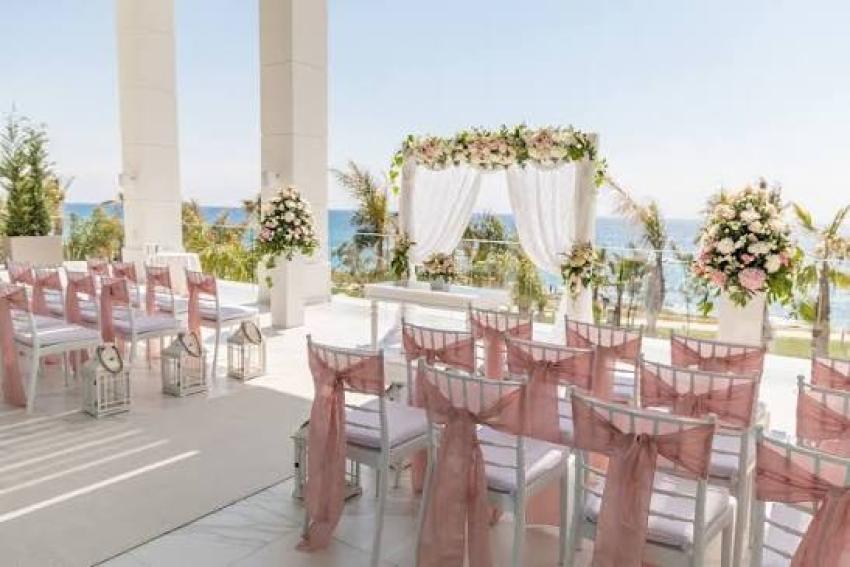
Choosing the right wedding venue is one of the biggest decisions in the planning process. The venue affects the look of the event, the guest experience, the catering setup, the schedule, and often a large part of the budget.
A beautiful location can still create problems if it does not have enough parking, the layout is too tight, or the rental rules do not fit your plans. That is why couples should look beyond photos and compare each venue based on practical details as well as appearance.
This guide explains what to look for when choosing a wedding venue and which questions can help you avoid unexpected issues later.
Start With Your Guest Count
Before touring venues, estimate how many people you expect to invite.
Guest capacity affects almost every other decision. A venue that feels spacious for 80 guests may feel crowded with 140. On the other hand, a very large venue can feel empty if you are planning a smaller celebration.
Ask the venue for both seated and standing capacity. If you are planning a plated dinner, buffet, dance floor, stage, photo area, or lounge seating, make sure those elements are included when discussing capacity.
The best wedding venue should comfortably fit your guests without making the space feel either overcrowded or unnecessarily large.
Consider the Location
Location matters for both the couple and the guests.
A venue that is difficult to reach can create delays, transportation issues, and extra planning. Consider how far guests will need to travel, whether nearby hotels are available, and whether the venue is easy to find.
Parking is another important detail. Ask whether parking is included, how many vehicles the venue can accommodate, and whether guests need to use a separate lot or valet service.
If many guests are travelling from outside the area, choosing a venue near major roads, hotels, or airports can make the day easier for everyone.
Look Closely at the Layout
A venue should support the way you want the day to flow.
Think about where guests will arrive, where the ceremony will take place, where dinner will be served, and where dancing or entertainment will happen.
Some venues offer separate spaces for the ceremony and reception. Others require the same room to be reset during cocktail hour.
During a tour, walk through the venue as if you were a guest. Pay attention to entrances, restrooms, seating areas, stairs, hallways, and the distance between different parts of the property.
A good layout can help the event feel organized without guests constantly being redirected.
Ask What Is Included in the Rental
Wedding venue pricing can be difficult to compare because different properties include different things.
One rental price may include tables, chairs, setup, cleanup, and basic lighting. Another may only cover access to the space.
Once you know what is included, you can compare the true cost instead of focusing only on the advertised rental rate.
Review the Catering Rules
Food is a major part of most wedding receptions, so catering policies deserve attention.
Some venues require couples to use an approved caterer. Others allow outside catering or let you bring your own licensed food provider.
Ask whether there are kitchen facilities, serving areas, refrigeration, and enough space for catering staff to work.
If you already have a caterer in mind, confirm that the venue allows them before signing anything.
The same applies to alcohol. Find out whether the venue provides bar service, allows outside alcohol, or requires licensed bartenders.
Check Vendor Policies
Your photographer, florist, DJ, planner, caterer, and other vendors need enough time and access to do their jobs.
Ask when vendors can enter the property and when everything must be removed.
Some venues provide several hours for setup. Others have tighter schedules that may require extra staff or additional rental time.
Also ask whether there is an approved vendor list. Some venues recommend vendors but do not require them, while others limit outside suppliers.
Understanding these rules early can prevent conflicts later.
Think About the Weather
Outdoor weddings can be beautiful, but every outdoor plan should have a backup.
Ask what happens if it rains, becomes too hot, or severe weather develops.
A venue with both indoor and outdoor spaces can offer more flexibility.
If the backup option is a tent, find out who provides it, whether it costs extra, and how quickly it can be arranged.
Do not wait until the week of the wedding to learn what the weather plan looks like.
Consider the Getting-Ready Spaces
A comfortable getting-ready area can make the wedding day much easier.
Look for private rooms with good lighting, mirrors, seating, restrooms, and enough space for clothing and personal items.
If both partners are getting ready at the venue, ask whether separate rooms are available.
These spaces are useful not only for preparation but also for storing belongings and giving the wedding party somewhere quiet to regroup during the day.
Ask About Décor Restrictions
Not every venue allows the same decorations.
Some properties restrict candles, confetti, wall attachments, open flames, hanging installations, or certain types of floral décor.
If your design includes large installations, arches, suspended flowers, or specialty lighting, discuss those plans before booking.
Also ask who is responsible for removing décor at the end of the event.
A venue may look perfect in photos but still have rules that prevent you from creating the setup you have in mind.
Understand the Full Cost
The rental price is only one part of the venue budget.
Ask about additional charges such as:
- Tables and chairs
- Linens
- Setup and cleanup
- Bridal or getting-ready rooms
- Parking
- Security
- On-site staff
- Basic décor
- Audio or lighting equipment
Before signing the contract, request a written breakdown.
This makes it easier to compare venues fairly and reduces the chance of unexpected costs appearing later.
Questions to Ask Before Booking
Before making a final decision, ask the venue:
Is my preferred date available?
What is the maximum guest capacity?
What does the rental fee include?
How many hours are included?
Can we use outside vendors?
What are the catering and alcohol rules?
Is parking available?
What is the weather backup plan?
Are tables and chairs included?
What are the setup and cleanup rules?
Are there any décor restrictions?
What additional fees should we expect?
The answers should be written into the contract wherever possible.
Final Thoughts
The right wedding venue should support both the vision for the day and the practical needs behind it.
Look at capacity, location, layout, catering policies, vendor access, parking, weather plans, décor restrictions, and the complete cost before signing a contract.
A venue does not have to be the biggest or most expensive option to work well. It needs to fit your guest count, budget, schedule, and priorities.