Planning a corporate workshop can be challenging when employees already have full calendars, project deadlines, and meetings to attend. In Singapore, where teams often work across departments and manage several priorities at once, finding a suitable time for everyone can become a major part of the planning process. The challenge is not simply to fit an activity into the workday. It is to organise a session that employees can attend without feeling rushed, distracted or burdened by unfinished work waiting for them afterwards. A well-planned Corporate workshop in Singapore should take employees' schedules into account from the beginning. By choosing a suitable time, setting a clear purpose and keeping the session practical, organisers can create an experience that feels worthwhile rather than like another obligation.
1. Start by Understanding the Team's Actual Workload
Before choosing a date, consider what employees are working on during the proposed workshop period. A session scheduled during a major project deadline, a busy reporting period, or a product launch may receive less attention, even if attendance is compulsory. Speak with team leaders or HR representatives to identify periods when employees are more likely to have some flexibility. It is also useful to check whether different departments follow different schedules. For example, a finance team may have a particularly demanding period during monthly reporting, while a customer-facing team may be busiest at certain times of the day. A date that works for one department may be inconvenient for another.
Instead of selecting a date first and asking employees to adjust, work backwards from the team's commitments. This simple change can make scheduling easier and reduce the likelihood of last-minute cancellations.
2. Decide What the Workshop Should Achieve
A tight schedule makes it especially important to have a clear purpose. If organisers try to include too many activities, discussions and presentations in one session, employees may leave feeling that everything was covered too quickly. Begin by identifying the main reason for holding the workshop. Is the goal to give employees a chance to pause after a demanding project, introduce practical mindfulness activities, encourage interaction between colleagues, or offer a hands-on creative experience? Once the purpose is clear, select activities that support it. For instance, a company organising wellness workshops may want employees to experience simple activities that encourage them to slow down and pay attention to the present moment. A shorter session with guided breathing, mindful movement or a focused sensory activity may be more suitable than a packed programme with several unrelated exercises.
A clear objective also helps organisers explain the value of the session to employees before it begins.
3. Choose a Session Length That Fits the Working Day
A workshop does not necessarily need to occupy half a day to provide a useful experience. The right duration depends on the activity, the group size and what participants are expected to gain from it. However, shortening a session should not mean squeezing a lengthy programme into a smaller time slot. Activities need enough time for instructions, participation and questions. When comparing workshop options, ask the provider what the session includes and how much time is needed for each part. Check whether setup, breaks, and transitions are included in the stated duration. It is also worth considering the time employees need to return to their normal duties. A workshop ending immediately before an important client call may create unnecessary stress.
A realistic schedule allows employees to participate properly instead of watching the clock throughout the session.
4. Consider the Best Time of Day for Participation
The timing of a workshop can influence how employees experience it. An early-morning session may suit some teams, while others may prefer an afternoon break from routine tasks. There is no single time that works equally well for every workplace. Consider the nature of the planned activities as well as the team's usual work patterns. A hands-on workshop that requires concentration may work better when employees are not rushing to finish urgent tasks. A mindfulness session may be easier to enjoy when participants have enough time to settle in rather than arriving directly from a stressful meeting. Avoid assuming that lunch breaks are automatically the best option. Employees may already use this time for meals, personal errands, or rest. Taking away their break without considering their needs can make a wellbeing initiative feel counterproductive.
Where possible, ask employees about their availability before confirming the schedule.
5. Choose Activities That Work Within the Available Time
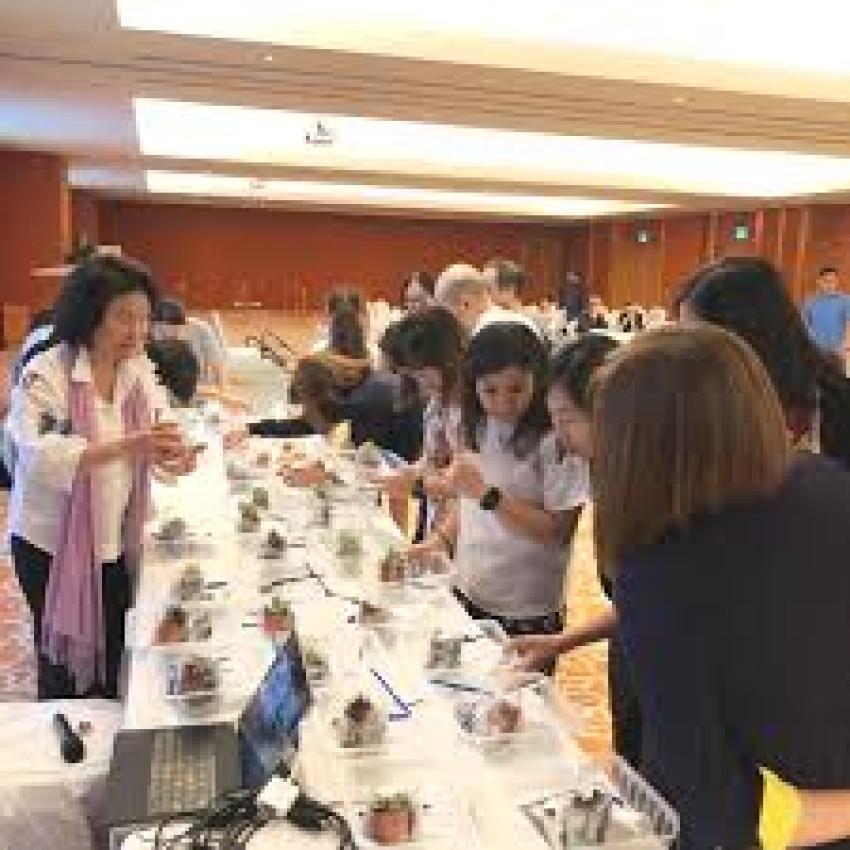
When time is limited, activity selection matters as much as scheduling. A useful workshop should allow participants to engage without requiring lengthy preparation or complicated instructions. For example, a team interested in creative activities might enjoy a guided essential oil blending session. Participants can explore different scents, learn about the blending process, and create a personal blend within a structured programme. For a mindfulness-focused session, guided breathing, a short body scan or a simple mindful movement exercise may be more appropriate. The activities should suit the group's needs, available time and comfort level.
When planning wellness workshops, ask the organiser whether the programme can be adapted to your team's schedule without losing its main purpose. It is better to choose a smaller number of well-facilitated activities than to rush through too many. Also consider individual preferences. Not every employee will enjoy the same activity, and participation should not require people to disclose personal feelings or experiences in front of colleagues.
6. Make the Location Easy for Employees to Reach
Travel can take up a significant part of the time allocated to a workshop. Even a relatively short activity may become inconvenient if employees need to travel across Singapore, navigate an unfamiliar venue, and return to the office afterwards. If the session is intended for employees working from the same office, an accessible workplace meeting room or a nearby venue may be practical. For teams spread across different locations, consider a venue that reduces travel for most participants. Before booking, check the room size, seating arrangement, ventilation, accessibility, and equipment required for the activities. A creative workshop may need tables and enough space for materials, while a movement-based session may require an uncluttered area.
Confirm these details with the provider beforehand. Avoid leaving setup arrangements until the day of the event, especially when the available time is limited.
7. Prepare Employees Before the Workshop
A workshop is easier to manage when participants know what to expect. Sending a short message in advance can prevent confusion and help employees prepare for the session. Include the date, duration, venue, purpose, and any items they need to bring. If the workshop involves movement, explain whether comfortable clothing is recommended. For a hands-on session, let participants know whether materials will be provided. It is also helpful to tell employees whether they need to complete any preparation beforehand. If no preparation is required, make that clear so they do not spend time trying to get ready unnecessarily.
For a Corporate workshop in Singapore, these small details can be particularly helpful when participants have packed schedules. Employees can plan around the session more confidently when they know exactly how it fits into the working day.
8. Avoid Treating the Workshop as Another Performance Task
Employees may find it difficult to relax if the workshop is presented as something they must complete perfectly or demonstrate in front of colleagues. This can happen when activities involve personal reflection, mindfulness or creative expression. Some participants may feel comfortable sharing their thoughts, while others may prefer to take part quietly. Organisers should explain the purpose of the session without placing unnecessary expectations on participants. For example, a mindfulness workshop should not require everyone to report feeling calmer, and a creative activity should not be treated as a competition. Facilitators can help by giving clear instructions, allowing participants to work at their own pace, and making sharing optional when appropriate.
A supportive environment is especially important when the aim is to offer employees a break from their usual work pressures.
9. Leave Room for Unexpected Delays
Even carefully planned schedules can change. A meeting may overrun, a participant may arrive late, or an activity may take longer than expected. Avoid filling every minute of the programme. A small amount of flexibility can prevent the entire session from falling behind when something unexpected happens. If the workshop includes several activities, identify which elements are essential and which can be shortened or omitted if necessary. Discuss this with the facilitator before the event rather than making rushed decisions on the day. It is also wise to confirm the starting and finishing times with the venue and provider. If employees must return to work immediately afterwards, communicate the end time clearly and plan the session accordingly.
Good planning does not eliminate every delay, but it makes the event easier to manage when circumstances change.
10. Check Whether the Workshop Was Worth the Time
Once the session ends, ask employees for brief feedback. The aim is not to prove that the workshop was successful simply because everyone attended. It is to understand whether the session suited the team's needs and whether the format worked within the available time.
A few straightforward questions can help:
Was the session length suitable for your work schedule?
Which activity did you find most useful or engaging?
Was anything rushed or unclear?
Would you prefer a different format for a future workshop?
Use the responses to improve future planning. If employees found travel inconvenient, an office-based session might be more practical next time. If the activities felt rushed, consider reducing the number of activities or allowing more time. Feedback can also reveal whether employees would prefer shorter sessions held occasionally rather than one lengthy event. Remember that a single workshop cannot solve underlying problems such as excessive workloads, inadequate staffing or ongoing workplace stress. It should complement wider efforts to support employees, not replace them.
Final Thoughts
Planning a corporate workshop around a busy working day requires more than finding an empty space in the calendar. Organisers need to consider workload, session length, activity choice, location and the amount of time employees can realistically set aside. For companies arranging wellness workshops, the goal should be to offer an experience that fits naturally into the working day without creating additional pressure. A clear purpose, realistic schedule, and activities suited to the group can make the session more meaningful. A well-organised Corporate workshop in Singapore does not have to be lengthy or complicated. When the programme respects employees' time and gives them a genuine opportunity to participate, it is more likely to feel like a worthwhile part of the working week rather than another task on their to-do list.