Why Hygiene Stations Matter More Than Ever
Clean hands are one of the simplest ways to cut down the spread of germs, and shared spaces make that harder. Airports, gyms, schools, clinics, and hotel lobbies all see hundreds of visitors a day. A well-placed hygiene station gives people an easy, visible reminder to clean their hands before they touch anything else.
Today’s buyers want more than a basic bottle on a stand. They expect touch free operation, sturdy construction, and a clean look that fits the space. That shift is why more facility managers are researching hygiene station suppliers in China, where manufacturing capacity and product variety are broad.
What a Modern Hygiene Station Offers
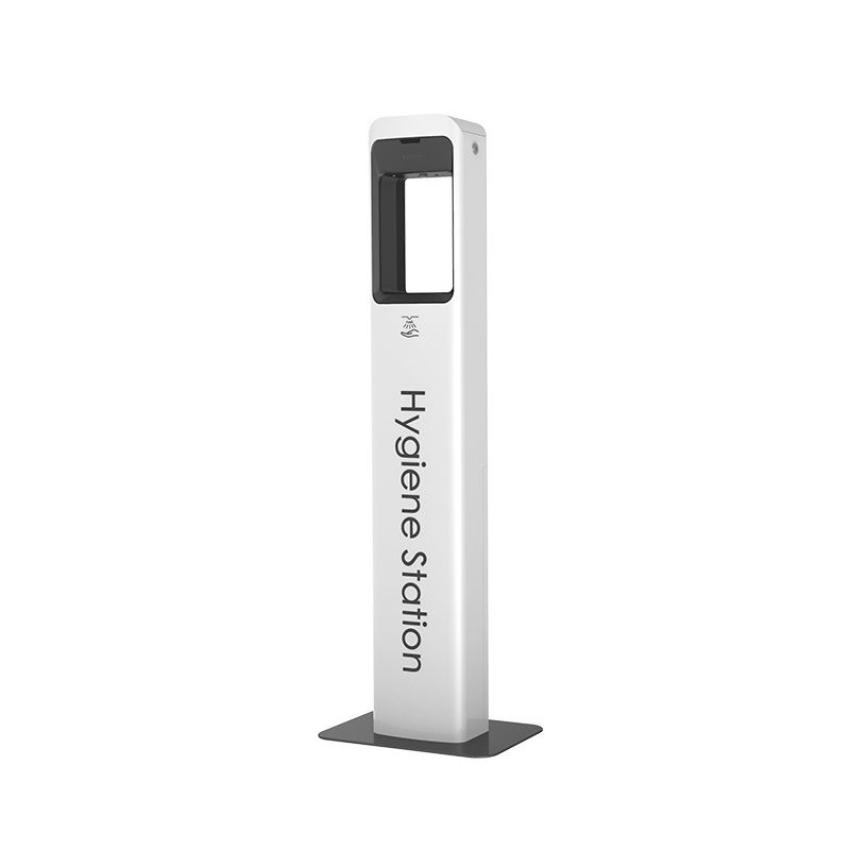
A hygiene station is a standalone unit that holds a soap or sanitizer dispenser in one convenient spot. Common styles include:
- Automatic spray units. A sensor releases a measured spray of soap or sanitizer without any contact.
- Foot operated units. A pedal dispenses liquid, so hands never touch the surface. This works well in kitchens, clinics, and food service areas.
- Floor standing models. These stay in place near entrances and need no wall installation.
Each style solves a different problem. Automatic spray models are popular where speed matters, while foot pedal designs are favored where hands may already be messy or gloved.
Key Features to Look For
Not every unit performs the same, so compare these points before you buy.
Build quality. Metal frames and strong plastic housings hold up better against daily bumps, cleaning chemicals, and heavy use. A wobbly base is a safety risk, so check stability.
Dispensing accuracy. A good unit gives a consistent amount each time. Too little leaves hands unclean, and too much wastes product and money.
Refill convenience. Staff should be able to refill a unit quickly. Easy access to the tank saves labor and keeps the station from sitting empty.
Sensor reliability. For automatic models, a responsive sensor prevents frustration and reduces wasted dispensing.
Design and finish. A clean, modern look helps the station blend in, which encourages people to actually use it.
How to Evaluate Suppliers
Price is only one piece of the puzzle. When comparing hygiene station suppliers in China, look closely at the full picture:
- Product range. A supplier with several models gives you room to match different locations and budgets.
- Wholesale options. Bulk pricing can lower the cost per unit for hotels, school districts, and retail chains.
- Customization. Branding, color choices, and size changes help a unit fit your space.
- Communication. Clear answers about specifications, shipping, and lead times signal a dependable partner.
- Quality checks. Ask about testing, materials, and how defects are handled before an order is placed.
Request a sample when possible. Handling a unit yourself reveals build quality faster than any product photo.
Planning for Real World Use
Placement affects results as much as the product itself. Put stations at entrances, near restrooms, beside dining areas, and close to elevators. Make them easy to see, since people use what they notice.
Maintenance matters too. Set a simple schedule to refill liquids, wipe surfaces, and test sensors. A station that is empty or broken sends the wrong message and can hurt trust in a business.
Think about volume as well. A small office may need a single unit at the front door, while a busy hotel may need several across lobbies, fitness rooms, and event spaces. Starting with a pilot placement helps you learn what works before a larger order.
The Bottom Line
A hygiene station is a small investment that supports health, builds visitor confidence, and shows a commitment to cleanliness. Choose a style that matches how the space is used, focus on durability and consistent dispensing, and take time to compare suppliers on quality, range, and service. A careful choice today means fewer replacements, happier visitors, and a cleaner environment for everyone.
The author is a commercial hygiene writer with eight years of experience covering facility products. He helps buyers understand practical solutions that improve cleanliness, reduce costs, and support healthier shared spaces.