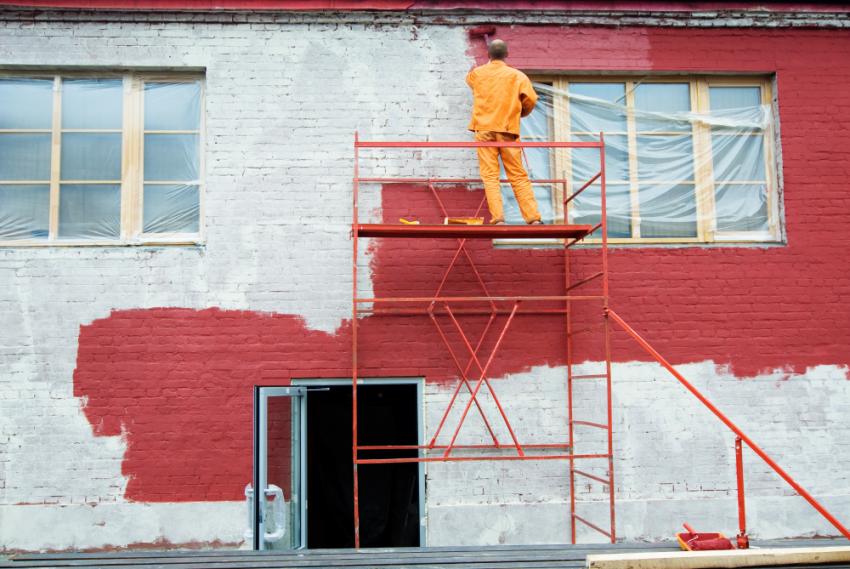
The median annual wage for painters, construction and maintenance was $49,400 in May 2025, according to the U.S. Bureau of Labor Statistics. That figure points to a simple fact about painting bills. Much of what you pay for house painting in Asheville is skilled time, not paint. This guide breaks down where the money goes. You will learn how to read a bid, plan a budget, and spot a quote that leaves out something important.
Why no honest article can give you one price
Search for a price and you will find wide ranges. That is because two houses that look alike can need very different work. One has solid siding and a clean surface. The other has rot, peeling layers, and failing caulk. The paint is the same. The labor is not.
For that reason, this article gives no dollar amounts for your project. Any number published without a site visit is a guess. What it offers instead is a map of the factors that move a price up or down. It also includes a worksheet to use when bids arrive.
Labor is the largest piece of the puzzle
Painting looks simple, but the trade takes real skill. The Bureau of Labor Statistics lists painters in construction and maintenance as a job with moderate-term on-the-job training. Cutting clean lines, reading a surface, and matching prep to the product all take practice.
Labor covers more than the hours with a brush in hand. It includes setup, protecting floors and fixtures, repairs, priming, cleanup, and travel. It also covers the cost of running a legitimate business, such as insurance and tools. A bid that seems very low often cuts one of those items.
It helps to think of labor in layers. The first layer is the visible work of rolling and brushing. The second is the prep that makes the paint stick. The third is the management of the job, from scheduling to quality checks. A strong bid pays for all three. A weak bid pays only for the first.
Prep, repairs, and materials
Two bids for the same house can differ widely because of prep. Scraping, sanding, washing, and patching take time. Replacing rotten trim takes more. A thorough plan costs more up front and tends to last longer.
Ask how each painter will handle three things: loose or peeling paint, cracked or missing caulk, and soft or damaged wood. If the answer is "paint over it," the price is low for a reason.
Materials are a smaller share than many people expect, but they still matter. The main items are primer, finish paint, caulk, patching compound, tape, and drop cloths. Paint comes in tiers. Higher tiers usually cover better and last longer, though they cost more per gallon.
The sensible choice is often a solid middle-to-upper product, matched to the surface. Low-VOC options are available for those who want less odor. Ask the painter to name the product in the written scope, so that you can compare like with like.
Your house shapes the bill
Size is the obvious factor, but access and condition matter just as much. Every house painting in Asheville bid should reflect both. The list below shows what tends to raise or lower labor time.
Number of rooms or wall area, and ceiling height.
Number of stories and roof pitch on the exterior.
Steep or uneven ground that slows ladder and scaffold work.
Amount of trim, windows, and detail work.
Condition of existing paint and surfaces.
Color changes, especially dark to light.
Furniture that must be moved or covered.
Hillside lots are common in the area, and slopes can make exterior setup slower. This is a real cost, and a good painter will explain it plainly.
When you request bids, look for companies that explain their pricing method. Some local firms, such as Custom Painting of Asheville Inc, say they offer a free estimate with detailed, transparent pricing. Whatever company you choose, a free walkthrough and an itemized estimate should be the minimum you expect.
Some costs are easy to miss. Wallpaper removal, popcorn ceiling removal, drywall repair, and power washing are separate tasks. Cabinets, decks, and fences are too. Ask whether any of these are in your scope. A bid that includes them in plain language is easier to compare than one that mentions them later as extras.
Interior, exterior, and timing
Interior and exterior projects have different cost drivers. Interior work depends on room count, ceilings, trim, and furniture handling. Exterior work depends on wall area, height, surface condition, and weather. Exterior jobs can also stretch over more days because crews wait for dry conditions.
Timing can affect price and availability. Spring and fall tend to be busy for exterior work in the mountains. Booking a slot early gives you more choice. Flexible dates can also help you find a start time that suits both sides. Do not expect big discounts, and be careful of any offer that depends on signing the same day.
One practical tip applies to both. Ask for the bid to separate labor, materials, and repairs where possible. A split makes it easy to see where a difference comes from. If one bid lumps everything into a single sum, ask for a breakdown. A confident painter will provide it.
Ways to lower the cost without cutting quality
Saving money on paint work is possible, as long as you save in the right places. These moves usually help.
Do the simple prep yourself, such as clearing rooms and removing wall hangings.
Limit the number of color changes.
Group several jobs into one visit, such as walls and trim.
Be flexible about the start date.
Approve repairs early so that the crew is not waiting on decisions.
These steps cut time without cutting prep, primer, or coats. They are very different from asking a crew to skip steps.
Warranty belongs in this budget conversation as well. A written warranty has value, because it covers the cost of fixing early failures. Ask what is covered and for how long. A price that includes a clear warranty is often better than a lower price with no protection at all.
What a very low bid should make you ask
A low bid is not always a bad bid. Sometimes a crew has a gap in its schedule or lower overhead. Still, a price far below the others deserves questions. Ask what is left out. Ask about insurance, coats, primer, and repairs. Ask who is on the crew and how long the company has been working locally.
If the painter can answer clearly and put it all in writing, the low price may be fair. If the answers are vague, expect extra charges later or a finish that fails early. Paint that peels in two seasons costs more than paint done right once.
Making a smart budget decision
Plan a small reserve as well. Hidden problems turn up on many older homes once old paint comes off or trim is opened. Setting aside a modest cushion in your budget keeps a surprise from becoming a crisis. Ask the painter how extra work will be priced and approved before it starts.
Start with a realistic scope and set a range, not a single number. Get at least three written bids. Fill in the worksheet and look at what each one includes. Then weigh the price against the plan, the paperwork, and how well the painter communicated.
Budget matters, and it should. When cost is a top concern, look for affordable house painters in Asheville who show their math and keep the scope clear. Affordable should mean fair value for a complete job, not the lowest number on the page.