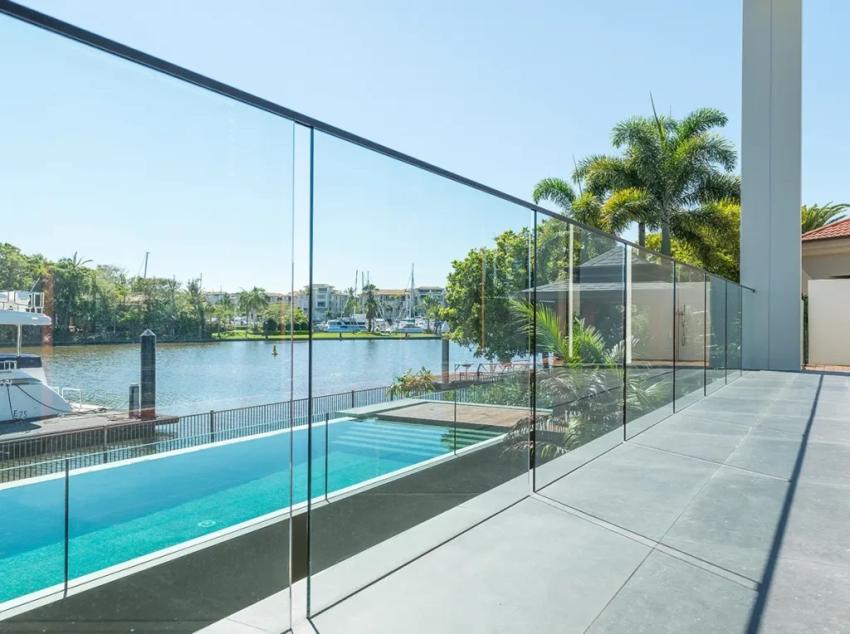
A clear view of the water sells frameless glass pool fencing, but it isn't the only option, and it isn't automatically the right one for every yard. Perth homeowners comparing pool barrier types usually weigh four choices: frameless glass, semi-frameless glass, framed glass, and aluminium. Each meets Australian pool safety standards. Each handles Perth's sun, wind, and coastal air differently, and each comes with its own cost and upkeep profile. Here's how they actually compare.
What Makes a Fence "Frameless"
Frameless glass pool fencing uses thick toughened glass panels held by spigots set into the ground or side-mounted brackets. There's no visible top or bottom rail and no vertical posts breaking up the view. The glass itself carries the structural load, which is why panel thickness matters more here than with any other fence type. Most residential installations use 12mm toughened glass, sometimes stepping up to a heavier gauge on longer unsupported spans. The spigot fixings also matter as much as the glass itself, since they're what transfers wind and impact load into the ground or the mounting surface. Cheaper spigots can work loose over time, especially in exposed Perth yards that catch strong afternoon winds.
Where Frameless Glass Wins
Frameless glass earns its price premium in one specific situation: when the pool view genuinely matters, either from inside the house or across an open entertaining area. Parents supervising young children from a kitchen window get the clearest possible sightline with this option. It also suits contemporary architecture, where visible fence posts and rails can clash with the rest of the build.
Where Semi-Frameless Closes the Gap
Semi-frameless glass keeps almost the same clarity as fully frameless panels but adds slim support posts between them. Those posts reduce the glass span each panel has to carry, which can bring the cost down slightly compared with fully frameless designs of the same length. For longer pool perimeters, that difference adds up. It's worth asking any installer to quote both options side by side rather than assuming frameless is always the better version of the same product.
When Framed Glass Makes More Sense
Framed glass panels sit inside an aluminium frame, which carries most of the structural load instead of the glass itself. That means thinner glass can be used, which lowers the cost compared with frameless or semi-frameless designs. The view isn't as clean, since the frame is visible around each panel, but the fence is generally more forgiving of uneven ground and easier to adjust during installation.
Why Aluminium Still Wins on Value
Aluminium pool fencing gives up the glass sightline in exchange for a lower price and close to zero maintenance. Slats or pickets space evenly along the fence line, spaced to meet the same 100mm maximum gap rule that applies to every other fence type. Aluminium remains the most practical option for budget-conscious renovations. It also suits larger yards, where a full glass perimeter would push costs well past what a family wants to spend. Most Perth pool fencing providers list both glass and aluminium as core offerings, since between them these options cover the bulk of residential demand. Some, including Straight Up Retaining Fencing & Earthworks, outline both material types on the same page, which makes side-by-side comparison easier than requesting separate quotes from different specialists.
Which Option Suits Which Yard
Yard shape and how a family actually uses the space narrow the choice faster than price alone. These general starting points cover most Perth properties:
Small courtyard pools with a strong indoor view: frameless glass, since the premium applies to less total fence length
Longer perimeters where cost adds up quickly: semi-frameless glass or aluminium
Sloped or uneven blocks: framed glass, which tolerates panel adjustment more easily than frameless designs
Budget-first renovations or rental properties: aluminium, for the lowest combined material and maintenance cost
Coastal-facing yards with heavy salt exposure: aluminium or glass with stainless steel hardware rated for marine environments
These are starting points, not fixed rules. A site inspection from an actual installer will confirm what your specific yard and budget can support.
Warranty and Panel Replacement
Toughened glass is strong, but it isn't indestructible. A cracked panel needs full replacement rather than a patch repair, and lead times on replacement glass can run longer than on aluminium components, which are more commonly stocked. Ask what warranty applies to the glass itself versus the hardware, and how quickly a replacement panel can typically be sourced if one is damaged. Aluminium fencing carries a different kind of risk profile. Individual slats or pickets can sometimes be replaced without redoing the whole panel, which makes small repairs faster and cheaper over the life of the fence. Framed glass sits in between, since the frame protects the glass edges from the kind of impact that most often causes cracking in the first place.
Compliance Applies Equally to All Four
Every option in this comparison has to meet AS1926.1 regardless of material or design. That means a minimum 1200mm height, no gap larger than 100mm, and a gate with self-closing and self-latching hardware. Frameless glass doesn't get special treatment just because it costs more, and aluminium isn't automatically less safe because it costs less. The standard applies the same way across the board, so material choice should come down to sightline, budget, and maintenance rather than safety.
Cost Factors Worth Asking About
Price differences between these four options come from three places: glass thickness or frame material, total linear metres, and gate count. A longer fence line naturally costs more in any material. Extra gates add hardware cost on top of the panel price. When comparing frameless glass pool fencing quotes against aluminium or framed glass, ask for an itemised breakdown covering all three. That keeps the comparison genuinely apples to apples, rather than one lump-sum figure against another.
Getting Multiple Quotes on the Same Terms
A side-by-side presentation of glass and aluminium options is worth looking for when you're shortlisting installers. It makes comparing quotes far simpler than chasing separate specialists for each material. Ask each provider to quote the same fence length and gate count across at least two material types, so the price difference reflects the material itself rather than differences in scope between quotes.
Making the Final Call
Frameless glass pool fencing in Perth suits yards where the view matters more than the price, and where the budget can stretch to cover it. Semi-frameless narrows that cost gap without giving up much clarity. Framed glass and aluminium both bring the price down further, with aluminium landing as the most budget-friendly, lowest-maintenance choice of the four. None of these options is universally correct. The right one depends on how you use the space around the pool, what the yard's layout allows, and how much ongoing cleaning you're willing to do. Compare at least two material types against your own yard before locking in a quote, since the difference between them is about fit, not just appearance.