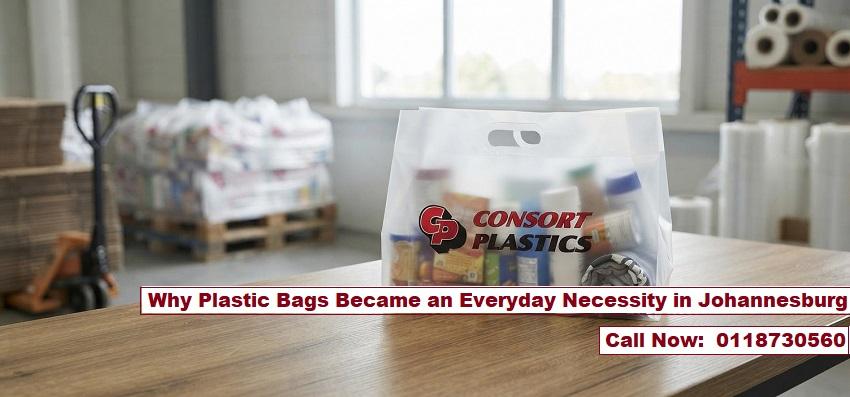
Jogurt’s bustling urban landscape—from the fast-paced retail corridors of the inner city to the expansive suburban shopping hubs of Sandton and Midrand—moves at an unrelenting pace. In a metropolis characterized by constant movement, trade, and economic activity, certain everyday conveniences are easily overlooked until you imagine life without them. Among these, the humble plastic carrier bag stands out as an indispensable tool of modern urban life. Far from being a mere afterthought, plastic bags became an absolute necessity in Johannesburg due to a unique combination of commerce, durability, cost-effectiveness, and unmatched practical utility.
The Rise of Modern Retail and the Need for Transportable Goods
As Johannesburg grew into the economic powerhouse of South Africa, retail distribution evolved dramatically. The shift from traditional open-air trading and localized markets to supermarkets, hypermarkets, and sprawling shopping malls meant that consumers were buying goods in larger quantities and transporting them across greater distances.
Unlike rigid baskets or heavy cloth sacks, which require specialized upkeep and represent a significant upfront investment, lightweight plastic packaging transformed shopping logistics. It offered consumers a reliable, waterproof, and hygienic way to carry groceries, clothing, and household goods home via public transport, taxis, or private vehicles. In a city where daily commuting is a major part of life, the lightweight and compact nature of plastic bags made them the ultimate convenience for the urban commuter.
Unmatched Durability and Protection Against the Elements
Johannesburg’s climate can be notoriously unpredictable, swinging from scorching summer heat to sudden, torrential highveld thunderstorms. In this environment, paper bags or unprotected goods simply do not hold up. Plastic bags provide an essential waterproof barrier that protects food items, electronics, clothing, and documents from sudden downpours and environmental dust.
Furthermore, modern manufacturing advancements—such as those pioneered by established local producers like Consort Plastics—have ensured that plastic bags are engineered for high tensile strength and tear resistance. Whether carrying heavy canned goods, sharp-edged packaging, or everyday essentials, a well-manufactured polyethylene bag provides the structural integrity needed to prevent messy and inconvenient spills during transit.
Versatility Beyond the Checkout Counter
While retail transport is the most visible use case, plastic bags became an everyday necessity in Johannesburg because of their incredible versatility around the home and workplace. Long after their initial shopping trip, these bags find a second life in nearly every household. They serve as reliable liners for small waste bins, protective covers for storing seasonal items, sorting tools for laundry and travel, and protective wraps for damp or soiled gear.
For small businesses, spaza shops, and market vendors across Gauteng, affordable and durable plastic bags are a crucial operational supply. They allow independent traders to package goods cleanly and professionally, ensuring customer satisfaction without inflating operating costs.
Economic Efficiency and Accessibility
In any large urban economy, affordability is a major driver of everyday adoption. Plastic manufacturing provides a cost-effective solution that can be scaled to meet massive consumer demand. Because they are economical to produce in bulk, businesses can provide them to consumers at a minimal cost or free of charge, ensuring that secure, sanitary packaging remains accessible across all income brackets. This universal accessibility cemented the plastic bag as a foundational element of South African retail culture.
Looking Ahead: Balancing Utility with Sustainability
As Johannesburg continues to modernize, the conversation around plastic bags has matured. Today, the focus has shifted toward responsible consumption, increased recycling rates, and the use of durable, reusable, and recycled plastic materials. Manufacturers are continuously innovating to produce stronger bags with optimized material usage, ensuring that the utility Johannesburg relies on aligns with environmental stewardship.
Ultimately, the reason plastic bags became an everyday necessity in Johannesburg comes down to simple practicality. They solved the logistical challenges of a fast-growing, dynamic city by offering a lightweight, durable, waterproof, and economical way to move through daily life. As long as urban commerce relies on mobility and convenience, the reliable plastic carry bag will remain woven into the fabric of Johannesburg. https://www.consortplastics.co.za/