Bees do not always build their hives where you can see them. Small openings around siding, roof edges, vents, pipes, and cracks can give bees a way into a wall. Once inside, they may find a quiet, protected space where they can build a colony.
A hidden hive may grow for weeks before a homeowner knows it is there. Watching bee activity and listening for unusual sounds can help you spot trouble early. If you notice bees repeatedly entering your home, a bee removal service in Katy can inspect the area and determine whether a colony is living inside the wall.
Why Do Bees Build Hives Inside Walls?
Wall cavities give honey bees many things they need. They are dark, protected from rain, and often warmer than outdoor nesting areas. A small gap on the outside of a house may be all bees need to enter.
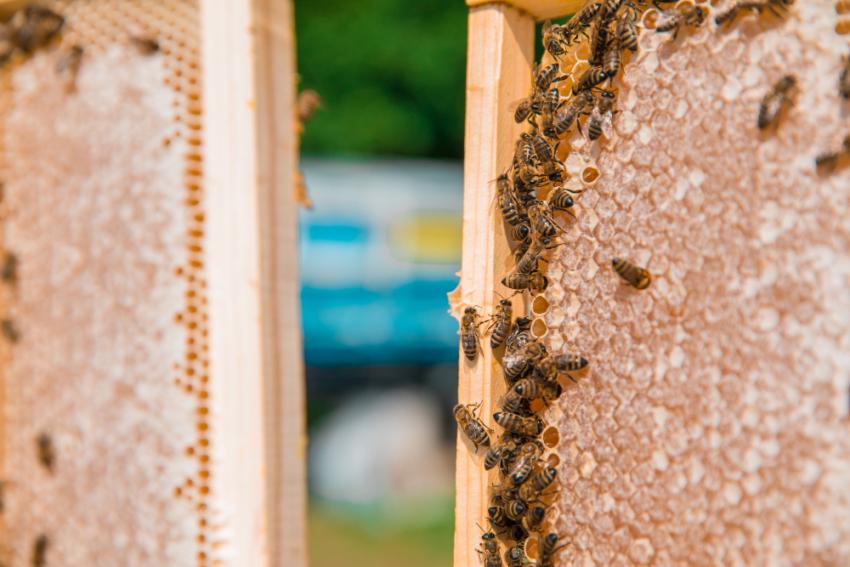
Once a colony settles in, worker bees begin building honeycomb. The hive can contain wax, honey, brood, pollen, and thousands of bees. This is why a professional bee removal service may need to locate both the bees and the hive instead of dealing only with the insects seen outside.
Signs Bees May Be Living Inside Your Wall
A hidden colony can be hard to see, but bees often leave clues. Paying attention to changes around your house can help you recognize a possible infestation.
Bees Entering the Same Opening
One of the clearest signs is repeated bee traffic around one small opening. You may see bees flying into a crack near siding, brickwork, rooflines, window frames, utility lines, or vents.
A few bees visiting flowers is normal. Many bees using the same opening throughout the day may mean there is a nest behind the surface. A bee removal service can inspect these entry points and identify where the colony may be located.
Buzzing Sounds Behind the Wall
Sometimes you can hear bees before you see them. Stand quietly near the area where you have noticed activity. You may hear a soft buzzing or humming sound behind drywall, siding, or another surface.
The sound may become easier to notice when the house is quiet. Do not knock on the wall or disturb the area to make the bees react. If buzzing continues, contact a bee removal service for a closer inspection.
Dark or Sticky Spots on Walls
A mature honey bee colony may store a large amount of honey. If comb is damaged or begins to melt, honey can sometimes leak into nearby building materials.
Watch for unusual stains, sticky spots, or sweet smells near the suspected hive area. These signs do not always mean bees are present, but they should not be ignored when combined with regular bee activity.
Why You Should Not Seal the Entry Hole
Seeing bees enter a crack may make you want to seal it right away. That can create a bigger problem.
If the colony is still inside, blocking the main opening does not remove it. Bees may search for another exit. In some cases, they could move deeper into the structure or find a path toward indoor living areas.
A bee removal service should first determine where the colony is located and how the bees are entering. After the bees and hive materials are properly handled, openings can be sealed to help prevent future nesting.
What Can Happen If a Hive Is Left Inside?
A bee colony inside a wall may continue growing as long as conditions are suitable. More bees can mean more comb, honey, and stored pollen inside the structure.
An abandoned hive can also cause problems. Leftover honey and wax may attract ants, beetles, moths, and other pests. Honey may also stain drywall or other materials if the comb breaks down.
For this reason, complete hive removal can be an important part of a bee removal service. Addressing the nest itself helps reduce problems that could remain after the active bees are gone.
How Professionals Find Hidden Bee Colonies
Finding the exact location of a hidden hive requires careful inspection. A professional may begin by watching flight patterns and locating the bees' main entry and exit points.
They may also check walls, eaves, rooflines, siding, soffits, and other areas where bees can enter. The goal of a bee removal service is to understand where the colony is located before deciding on an appropriate removal approach.
What Homeowners Can Do Safely
You can observe bee activity from a safe distance. Note where bees enter the building, when activity is strongest, and whether you hear buzzing indoors.
Avoid spraying chemicals into the opening, breaking into the wall, or trying to pull out comb yourself. Disturbing a colony can cause defensive behavior and increase the chance of stings. Instead, let an experienced bee removal service inspect the problem.
Conclusion
Bees entering the same crack, buzzing behind drywall, unusual wall stains, and steady flight activity can all point to a hidden hive. Acting early can make it easier to identify the colony before it becomes a larger problem.
If you suspect bees are living inside your wall and start searching for a bee removal service near me, choose someone who can inspect both the bees and their nesting area. Raul The Bees Guy provides a bee removal service in Katy for homeowners dealing with hidden bee colonies and hive problems. A professional service can help locate the hive, address the colony, and identify entry areas that may need attention afterward.