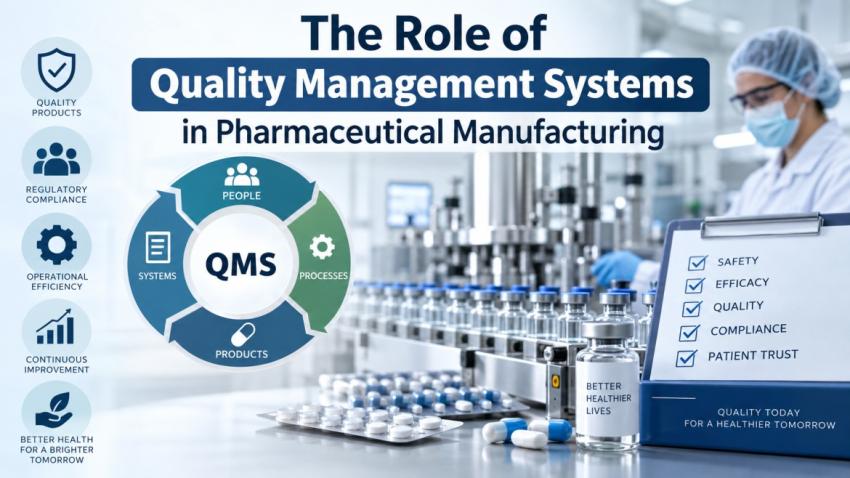
What Exactly Is a Quality Management System?
A quality management system, often shortened to QMS, is essentially a structured way of organising every process involved in making a pharmaceutical product. This includes everything from raw material sourcing and production steps to testing, documentation, and how problems get handled when something does not go as planned.
Instead of relying on individual employees remembering procedures or making judgment calls on the spot, a proper QMS creates clear, repeatable processes that everyone in the company follows the same way, every single time.
Why This Matters So Much in Pharma Specifically
In most industries, small inconsistencies might just mean a slightly different customer experience. In pharma, inconsistency can directly affect patient safety. A batch of medicine that is even slightly off in strength, purity, or stability can cause real harm, which is exactly why a strong quality management system is not optional in this industry, it is essential.
This is one of the biggest reasons hospitals and procurement teams pay so much attention to a supplier's internal systems, not just their finished product. A company with a mature QMS is far more likely to catch problems early, long before they ever reach a patient.
Consistency Across Every Batch
One of the core goals of a good QMS is ensuring that every single batch of a product performs the same way, regardless of when or where it was manufactured. This consistency is something buyers actively look for when comparing top pharma manufacturers, since a single impressive sample does not mean much if the next batch shows unexpected variation.
A reliable QMS makes this kind of consistency possible by standardising everything from ingredient sourcing to storage conditions, reducing the chances of human error creating unpredictable results.
How Documentation Plays a Central Role
A huge part of any quality management system revolves around documentation. Every step of the manufacturing process needs to be recorded clearly, from raw material testing to final batch release. This documentation is not just for internal use. Regulatory bodies, auditors, and even buyers often request access to these records to confirm that proper procedures were actually followed.
Good documentation also makes it much easier to trace back the source of a problem if one ever occurs, allowing companies to fix issues quickly rather than guessing where things went wrong.
Training and Human Accountability
A quality management system is only as good as the people following it. This is why proper training plays such a big role within any strong QMS. Employees need to understand not just what steps to follow, but why those steps matter for overall product safety.
Companies that invest in regular training and clear accountability structures tend to have fewer errors overall, since employees genuinely understand the importance of following procedures correctly rather than treating them as unnecessary paperwork.
Handling Deviations and Corrective Actions
No manufacturing process is completely free of occasional issues. What separates a strong QMS from a weak one is how a company responds when something does go wrong. A good system includes clear procedures for identifying deviations, investigating their cause, and implementing corrective actions to prevent the same issue from happening again.
This proactive approach to problem solving is often what protects a company's long term reputation, since buyers are far more forgiving of an occasional issue handled transparently than one that gets hidden or ignored.
Why This Matters for Hospital and International Buyers
For hospitals and international buyers, understanding a manufacturer's quality management system has become a key part of the evaluation process. This ties closely into why quality assurance for hospital pharma procurement from India has become such a serious focus area, since buyers increasingly want proof of strong internal systems, not just final product testing results.
A company with a well documented QMS gives buyers far more confidence than one relying purely on finished product checks, since internal systems reflect how consistently quality is maintained throughout the entire manufacturing journey.
Why Continuous Improvement Matters
The best quality management systems are never static. Companies serious about long term reliability regularly review and update their processes, incorporating new technology, addressing past issues, and adapting to evolving regulatory expectations rather than sticking to outdated methods simply because they worked in the past.
Final Thoughts
Quality management systems may operate quietly behind the scenes, but their impact on pharmaceutical manufacturing is enormous. From ensuring batch to batch consistency to supporting proper documentation and accountability, a strong QMS is what ultimately protects patients, builds buyer trust, and separates dependable manufacturers from those cutting corners. As global standards continue rising, companies that invest seriously in their quality systems are the ones most likely to earn long term trust in this industry.