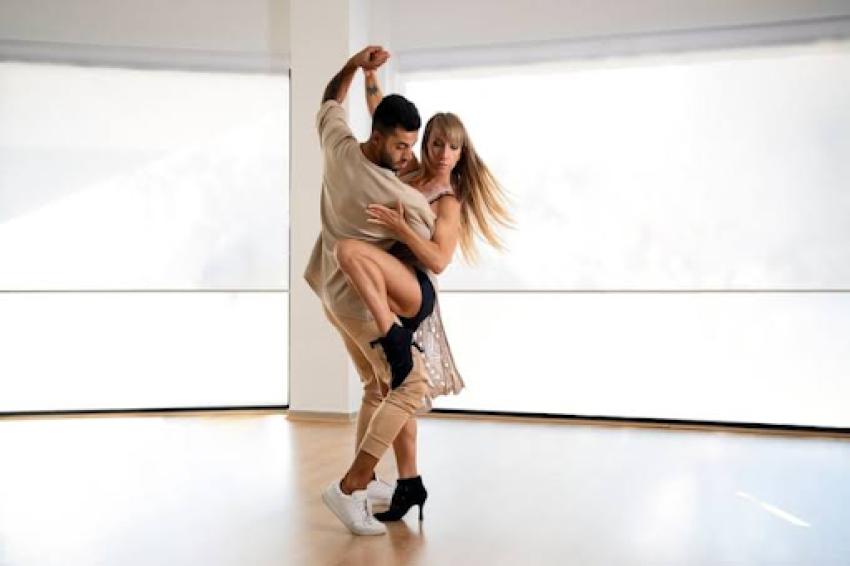
Bachata has become one of the most popular partner dances in the world — and for good reason. Its rhythmic simplicity, emotional expressiveness, and the deep musical tradition that underpins it make it accessible to beginners while offering experienced dancers a lifetime of depth to explore. If you have been curious about bachata but are not sure where to begin, this guide covers everything you need to get started with confidence.
What Is Bachata and Where Did It Come From?
Bachata originated in the Dominican Republic in the early twentieth century, rooted in the bolero musical tradition and deeply influenced by Afro-Caribbean rhythms. For much of its history, bachata was considered music of the rural poor — passionate, emotionally raw, and for decades marginalized in Dominican cultural life. It was only from the 1990s onward that bachata gained mainstream recognition, propelled in part by artists who brought the music to international audiences.
The dance that accompanies the music shares this emotional directness. Bachata is danced in close partner connection, with a characteristic side-to-side step pattern and a hip accent on the fourth beat that gives the dance its distinctive sensual quality. It is a dance that rewards genuine physical presence and emotional engagement — which is part of what makes it so captivating to watch and so satisfying to dance.
Bachata for Beginners: The Basic Step Pattern
The foundation of all bachata dancing is the basic step, and the good news for beginners is that bachata's basic step is genuinely accessible. Unlike some Latin dances that require mastery of complex footwork before partner work can begin, bachata's core pattern can be learned in a single session and practiced almost immediately with a partner.
The basic pattern is built on four beats. The dancer takes three steps to the side — left, together, left — and then taps or accents on the fourth beat with a slight hip movement. This same pattern then reverses: right, together, right, and an accent on the fourth beat. The entire pattern spans eight beats, and this eight-beat cycle repeats throughout the dance, with variations, turns, and styling layered on top as skill develops.
For bachata dance for beginners, the most important early goal is internalizing this basic count so that the feet move automatically and attention can be directed toward the music and the partner connection.
Understanding the Music: Hearing the Beat
One of the most valuable skills a beginner can develop early is the ability to hear the bachata beat clearly. Bachata music is built on a four-beat pattern with a distinctive guitar sound — the requinto — playing a melodic pattern over a rhythmic base of bass guitar, bongo, and güira (a metal scraper).
The fourth beat is typically marked by a bass hit or an accent in the music, which corresponds to the hip accent in the dance. Learning to hear this accent — to feel it as a rhythmic marker rather than consciously counting to four — is what makes the dance feel musical rather than mechanical. Spending time listening to bachata music before or between classes, even without dancing, accelerates this musicality development significantly.
Partner Connection in Bachata
Bachata is danced in partner connection, and the quality of that connection is what separates a good bachata dancer from a technically competent but disconnected one. For beginners, understanding the basics of partner connection is as important as learning the steps themselves.
In close embrace bachata, the lead (traditionally male role, though any gender can lead) frames their partner with one arm around the back and one hand holding the follow's hand. The connection is maintained through the torso — not through arm tension — allowing the lead to communicate direction and timing through body movement rather than pushing or pulling with the arms.
Dance bachata in open hold (where the partners are connected only through their hands at a slight distance) is more common in beginner classes and allows more freedom of footwork and easier turn patterns. Most beginners start in open and transition toward close embrace as their comfort and skill develop.
Finding the Right Beginner Bachata Class
Not all beginner classes are equal in how they approach bachata instruction. The best beginner environments give individual attention to footwork and timing before emphasizing partner work, rotate partners frequently so students experience many different connections, and create a relaxed, non-judgmental atmosphere where mistakes are treated as learning opportunities rather than embarrassments.
When evaluating a class, consider whether the instructor has clear pedagogical structure or simply demonstrates steps and expects students to follow. The quality of instruction — not the flashiness of the instructor's own dancing — is what matters most for beginner development.
Conclusion
Bachata is one of the most rewarding dances a beginner can choose to learn. Its accessible basic pattern, emotionally expressive character, and rich musical tradition make it a dance that feels meaningful from the very first lesson. With the right instruction, consistent practice, and the willingness to engage genuinely with both the music and your partner, bachata will become one of the most enjoyable skills in your repertoire.