Boston winters can be tough on brick homes and buildings. Snow, ice, rain, and cold air can slowly harm brick walls. Bricks are strong, but the mortar between them can wear down. Small cracks can let water get inside and cause more damage.
Cold weather can be a bigger problem for older brick homes. Water can enter small cracks in the mortar and freeze. When water freezes, it gets bigger and puts pressure on the wall. Residential Brick Repointing in Boston can fix weak mortar before the damage spreads to nearby bricks.
Why Boston Winters Can Damage Masonry
Boston weather can change fast during winter. Some days are very cold. Other days are warmer. This means brick walls may freeze and thaw many times during the season.
Brick and mortar can take in water from rain, snow, and melting ice. When the weather gets cold, this water can freeze inside small cracks. The frozen water pushes against the brick and mortar.
Over time, this can make mortar weak. Cracks may get larger, and small pieces of mortar may start to fall out. Residential Brick Repointing can help repair these damaged mortar joints before the problem spreads.
What Is a Freeze-Thaw Cycle?
A freeze-thaw cycle starts when water enters a small crack. When the temperature drops, the water freezes and gets bigger.
When the weather warms up, the ice melts. More water may then enter the same crack. If it freezes again, the crack can grow.
This can happen many times during a Boston winter. Each cycle can slowly make the damage worse.
How Water Hurts Mortar Joints
Mortar fills the spaces between bricks and helps keep a wall strong. It also plays an important role in how a brick wall handles water. Old or cracked mortar can let more water enter the wall.
Snow may sit on brick walls, steps, ledges, and other surfaces. When the snow melts, water can move into open mortar joints. It may then freeze when the temperature drops.
Residential Brick Repointing replaces old and weak mortar with new mortar. This helps close damaged joints and can reduce the amount of water entering the wall.
Signs of Winter Damage on Brick Walls
Winter damage may start small. This is why homeowners should check their brick walls during and after winter.
Look for cracked mortar, loose bricks, missing mortar, and brick surfaces that are breaking apart. White marks may also appear on the wall. These marks are often caused by salts left behind when water moves through the brick.
Open spaces around doors and windows can also be a warning sign.
When mortar joints are worn or missing, Brick Repointing can help repair these weak areas before the damage becomes worse.
Brick Repointing Needs Across Boston
Boston has many types of brick buildings. These include older homes, brownstones, apartments, and business properties. Winter weather can affect each building in different ways.
For larger buildings, Commercial Brick Repointing in Boston can repair weak or missing mortar on brick walls and facades. Large buildings may have more brick exposed to rain, snow, and cold air.
Homes need care too. Residential Brick Repointing can help protect brick walls while keeping the look of an older Boston home.
Why Older Boston Brick Needs Special Care
Many older Boston homes were built with brick and mortar that are different from modern materials. Some older bricks are softer than newer bricks.
Using mortar that is too hard can hurt these older bricks. The brick may crack instead of the mortar taking the pressure.
A masonry contractor should check the brick and old mortar before starting repairs. New mortar should work well with the existing wall.
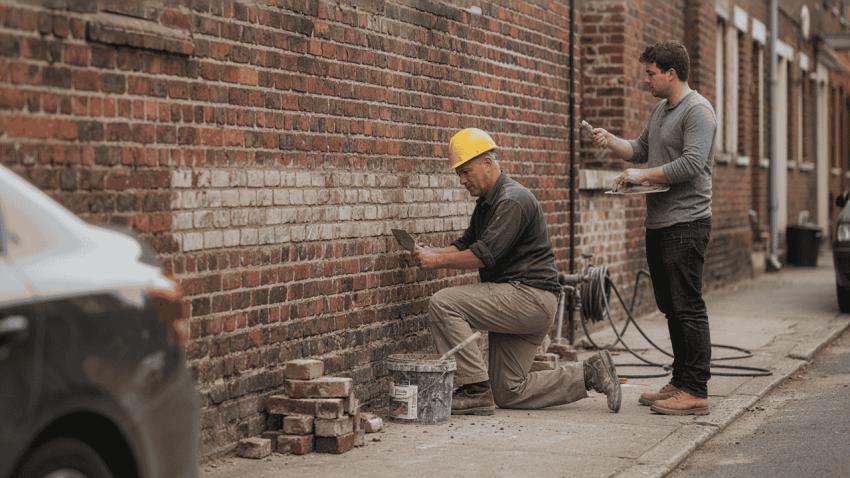
Good Brick Repointing is more than putting new mortar over a crack. Weak mortar must first be carefully removed. New mortar is then placed into the joint and shaped to match the wall.
Small Winter Problems Can Become Bigger
A tiny crack in mortar may not look like a big problem. But water and freezing weather can make it grow.
Water can move deeper into open joints. When it freezes, the opening can become wider. Over time, bricks may loosen or start to break.
The same problem can happen on stores, offices, and other large buildings. Commercial Brick Repointing can repair damaged joints before water causes more harm to the brick facade.
Fixing small problems early may also help prevent larger and more costly masonry repairs.
How to Protect Brick Before Winter
Homeowners should check their brick walls before cold weather arrives. Look for cracks, loose mortar, broken bricks, and open joints.
Gutters and downspouts should also work well. They help move rain and melting snow away from brick walls and foundations.
A masonry contractor can inspect damaged areas and find the cause of the problem. The contractor can then decide if the wall needs repointing, brick repair, or another type of masonry work.
Conclusion
Boston winters can be hard on brick and mortar. Snow, water, ice, and freeze-thaw cycles can slowly weaken mortar joints. Finding damage early can help keep brick walls strong and reduce the risk of larger repairs.
Homeowners who need Residential Brick Repointing in Boston should have damaged mortar checked before another harsh winter. If you are looking for Brick Repointing near Boston, Boston Masonry INC can inspect aging brickwork and help find the right repair plan for your home.