Removing an animal from an attic is only the first step. The next goal is preventing another animal from entering. Openings, weak materials, and nearby access routes can attract new wildlife.
Professional attic removal in Norwalk should include prevention planning after removal. A thorough approach focuses on entry points, roof conditions, ventilation openings, and surrounding attractants.
Confirm the Attic Is Empty First
Never seal an opening before confirming every animal has left. Trapping wildlife inside can create serious problems.
Young animals may remain hidden in insulation or nesting areas. Some species also use several entry points.
Attic removal should verify activity before permanent repairs begin. Careful timing makes exclusion safer and more effective.
Inspect the Entire Roofline
Animals often enter through small weaknesses around the roof. Check soffits, fascia boards, vents, flashing, and roof edges.
Do not focus only on the most obvious opening. Wildlife may use secondary gaps that are difficult to see.
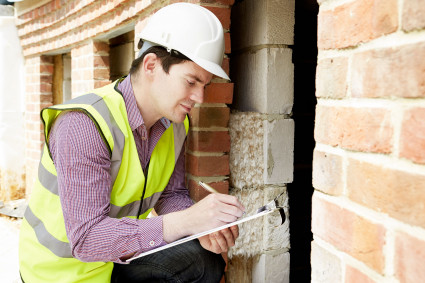
A complete attic removal inspection should cover the entire exterior. Finding every vulnerable area reduces repeat activity.
Repair Damaged Soffits and Fascia
Soffits and fascia can weaken from moisture, age, or previous animal activity. Small gaps can become larger quickly.
Replace damaged sections with durable materials. Loose panels should be secured properly.
Attic removal is more effective when repairs address the original access point. Temporary patches may fail under repeated pressure.
Protect Roof and Gable Vents
Vents are necessary for airflow, but they can also become entry routes. Damaged screens may allow birds, bats, or rodents inside.
Inspect vent covers for holes, loose edges, and corrosion. Use suitable protective materials without blocking ventilation.
Good attic removal planning protects airflow while reducing wildlife access. Improper sealing can create moisture problems.
Check Chimneys and Other Openings
Unprotected chimneys can attract birds, raccoons, and other wildlife. Openings around pipes may also create access.
Inspect chimney caps and flashing regularly. Make sure coverings remain secure after storms.
Attic removal should consider every roof penetration, not just attic vents. Small construction gaps can become active routes.
Trim Nearby Tree Branches
Branches close to a roof can give squirrels and other animals easy access. Trimming creates more separation from the structure.
Focus on branches that touch or hang directly over the roof. Also remove dead limbs that could damage roofing.
Tree trimming alone does not replace exclusion work. However, it can reduce convenient travel routes.
This supports long-term attic removal prevention.
Reduce Food Sources Around the Property
Wildlife may stay near a home when food is easy to find. Open trash, pet food, and fallen fruit can attract animals.
Secure outdoor waste containers. Bring pet food inside after feeding.
Clean up spilled birdseed around feeders. Keep compost properly contained.
Attic removal works better when the surrounding property is less attractive. Reducing food sources can lower repeated visits.
Watch for New Signs of Activity
Prevention continues after repairs. Check the attic periodically for fresh droppings, odors, scratching, or disturbed insulation.
Inspect the exterior after heavy weather. Wind and falling branches can damage exclusion materials.
Early detection can stop a small issue from growing. It also protects previous attic removal work.
Avoid Weak Temporary Repairs
Foam, tape, or thin screening may not withstand determined wildlife. Some animals can chew or pull through weak materials.
Choose repair materials suited to the opening and location. Structural gaps may need professional repair.
Attic removal should end with durable exclusion, not cosmetic patching. Strong repairs provide better long-term protection.
Keep Records of Repairs and Entry Points
Take photos before and after exclusion work. Note where entry points were found.
These records help during future roof inspections. They also make it easier to monitor previously vulnerable areas.
Ask the provider which locations need regular attention. A simple inspection schedule can prevent surprises.
Final Thoughts
Preventing wildlife from returning requires more than removing the original animal. Entry points, roof damage, food sources, and access routes all matter.
Professional Attic Removal in Norwalk should combine safe removal with durable prevention measures. Regular inspection helps protect those repairs. Seasonal roof checks can reveal new weaknesses before wildlife returns. A secure attic reduces noise, contamination, structural damage, and repeated service costs.