Selecting a pressure washer by the largest number on its label can lead to poor results. Different surfaces tolerate different levels of force, and excessive pressure may create damage that becomes visible only after the area dries. Therefore, the goal should be effective cleaning at the lowest suitable pressure.
A 2000 PSI pressure washer can support many controlled cleaning jobs involving vehicles, outdoor furniture, certain walkways, and other surfaces when paired with the correct nozzle and technique. However, every material should be tested because age, coatings, and existing damage affect its tolerance. More demanding tasks may need additional pressure, but PSI should never be considered alone. Water flow, heat, detergent, dwell time, and mechanical agitation can sometimes improve results without increasing force.
What PSI Really Tells the Buyer
PSI measures the force of water delivered through the nozzle. It helps break the bond between dirt and a surface, but the force that reaches the material changes with nozzle angle and working distance. A 3000 PSI pressure washer may suit concrete, machinery, and tougher outdoor cleaning when the surface can tolerate it. Operators should still begin with a wide spray and safe distance before gradually increasing cleaning force.
The machine's maximum rating does not mean that every task should be completed at maximum intensity. Adjustable pressure, nozzle selection, and controlled distance allow one system to handle different applications more safely.
When Approximately 2000 PSI May Be Suitable
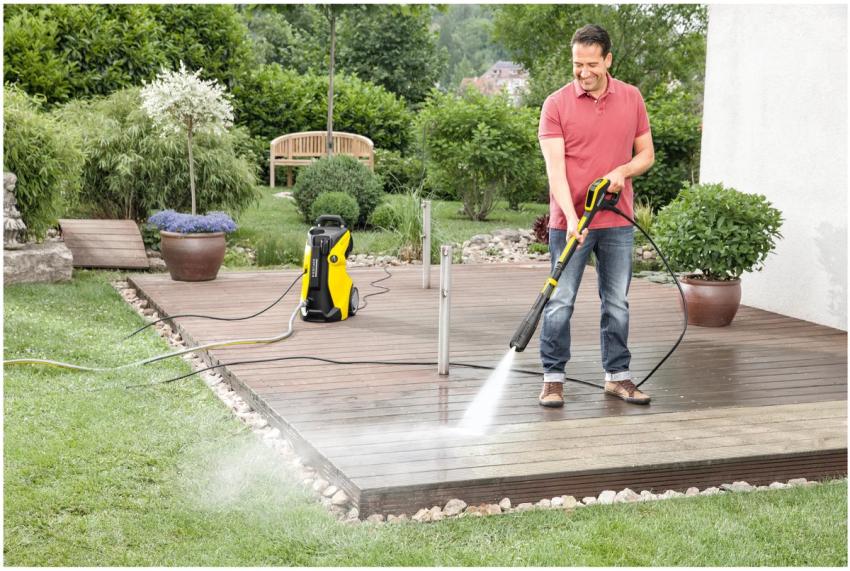
Moderate pressure can be useful where control matters more than aggressive impact. Vehicle washing, outdoor household items, light commercial maintenance, and general rinsing may fall within this range depending on the surface. Painted or finished materials require caution. A surface with peeling paint, weak seals, cracks, or age-related deterioration may be damaged even at moderate pressure.
Operators should test an inconspicuous section and observe the result. If cleaning is insufficient, they can adjust detergent, dwell time, nozzle angle, or distance before moving to greater force.
When 3000 PSI May Be Helpful
More pressure can help on durable materials with stubborn buildup. Concrete walks, some masonry, industrial equipment, and heavily soiled outdoor areas may benefit from a stronger machine.
Nevertheless, concrete is not indestructible. Young, cracked, decorative, coated, or deteriorating concrete may be etched. Mortar joints and soft stone can also suffer damage. The operator should avoid narrow nozzles unless the application clearly requires them. Smooth overlapping passes usually produce a more consistent finish than holding a concentrated stream on individual spots.
Understand the Role of GPM
PSI loosens contamination, while GPM carries it away. A machine with balanced flow may complete a cleaning job more quickly than one with higher pressure but insufficient rinsing ability.
This matters on wide surfaces where removed soil needs to move away from the work area. More flow can also improve detergent rinsing and reduce repeated passes.
Buyers should compare PSI and GPM together. They should also consider whether the water source and drainage can support the selected flow.
Use Nozzles to Control Impact
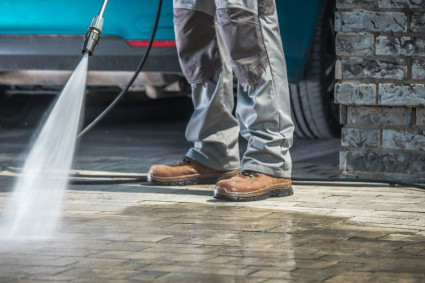
A narrow nozzle concentrates pressure. A wide nozzle distributes it over a larger area. Starting with a wider pattern gives the operator more control and lowers the risk of leaving lines or cuts. Distance provides another form of control. Moving closer increases the force reaching the surface, while moving farther away reduces it. Operators should make gradual changes rather than immediately placing the nozzle near the material. Nozzle orifice size must match the machine's flow and pressure. A mismatched nozzle may alter system performance or place stress on the pump.
Improve Cleaning Without Raising Pressure
Suitable detergent can loosen organic film, grease, road residue, and other buildup. Hot water may help with oily contamination, while a brush can add agitation on appropriate surfaces. Longer dwell time can also improve cleaning, provided the chemical does not dry. These methods may allow the operator to use safer pressure while achieving better results. Pressure King helps customers compare machines, accessories, and cleaning approaches for different commercial applications. Guidance based on the actual surface can be more useful than selecting equipment from PSI alone.
Follow Safe Operating Practices
A pressure-washer stream can penetrate skin and cause serious injury. Operators should never direct it at people or animals. Eye protection, stable footwear, gloves, and other task-specific equipment should be used. The spray should be kept away from electrical components, windows, damaged siding, loose materials, and openings where water could enter a building. Fuel-powered machines require safe outdoor ventilation.
Before changing nozzles or accessories, the machine should be shut down and pressure released according to its instructions.
Final Thoughts
Approximately 2000 PSI can provide controlled cleaning for many lighter applications, while 3000 PSI can support more demanding work on suitable surfaces. Neither level is universally safe. Effective cleaning depends on PSI, GPM, nozzle choice, distance, detergent, heat, and technique. Starting gently and increasing force only when necessary helps protect the surface while improving consistency.