Moving out of a rental home with a pet requires careful planning. Along with packing, cleaning, and arranging the final inspection, pet owners may also need to consider flea activity. Fleas can hide in carpets, rugs, cracks, pet bedding, and other areas where animals spend time, making them easy to miss during everyday cleaning.
For Sydney tenants, understanding when flea treatment may be necessary can help prevent last-minute problems during the move-out process. End of Lease Pest Control Sydney can be useful when there is an active flea infestation or when a specific pet-related condition requires professional treatment.
This guide explains how fleas affect rental properties, how to identify an infestation, how to prepare for treatment, and what pet owners should consider before handing back their Sydney rental.
Why Flea Treatment Matters Before Moving Out
Fleas are small insects that can survive in different stages of their life cycle. While adult fleas may be found on pets, eggs and immature stages can remain in carpets, furniture, cracks, and other areas around the home.
This means simply treating a pet may not resolve an infestation inside the property. If fleas have become established, the surrounding environment may also need attention.
Before moving out, inspect areas where your pet regularly slept, rested, or played. If you notice repeated flea activity, speak with your property manager and consider professional Pest Control Sydney services where appropriate.
Addressing the issue early gives you more time to complete treatment, cleaning, and any required follow-up before the final inspection.
How Do Fleas Enter Sydney Rental Homes?
Fleas are commonly introduced into homes by pets and other animals. Dogs and cats can pick up fleas outdoors and bring them inside. Fleas may also enter through contact with other animals or infested environments.
Once inside, fleas can spread through areas where pets spend time. Carpets, rugs, upholstered furniture, pet bedding, and cracks in flooring can provide places for different flea life stages to remain.
This is why pet owners should not assume that seeing only a few fleas means the problem is insignificant. A professional assessment can help determine the extent of the activity and whether End of Lease Pest Control Sydney is appropriate.
Signs of a Flea Infestation
Fleas can be difficult to spot because they are tiny and move quickly. However, several signs can indicate an infestation.
Look for:
- Frequent scratching or biting by pets
- Small jumping insects
- Flea dirt on pet bedding
- Fleas around carpets or rugs
- Irritated skin on pets
- Increased flea activity after moving furniture
- Flea sightings around areas where pets rest
If your pet is scratching more than usual, inspect its bedding and favourite resting areas. You should also check carpets and soft furnishings.
If you continue finding fleas despite cleaning and pet treatment, professional Pest Control Sydney advice may be appropriate.
Treating the Pet Is Only Part of the Solution
One common mistake pet owners make is treating the animal while ignoring the environment. Flea eggs and immature stages may remain in the home even after adult fleas on the pet have been addressed.
Pet owners should follow advice from an appropriate veterinary professional regarding products used on animals. Household flea treatment should be approached separately and carefully.
For the property itself, thorough cleaning and professional End of Lease Pest Control Sydney may be required when an infestation is established.
The goal is to address flea activity throughout the affected environment rather than focusing only on the visible adult fleas.
Which Areas Should You Check?
Before moving out, inspect the areas where your pet spends the most time.
Carpets and Rugs
Fleas and their immature stages can remain in carpet fibres and rugs. Vacuum these areas thoroughly as part of your normal cleaning routine.
Pet Bedding
Wash suitable pet bedding according to the manufacturer's instructions. Check underneath beds and around sleeping areas for signs of flea activity.
Upholstered Furniture
If pets regularly sit on sofas, chairs, or other fabric furniture, inspect and clean these areas carefully.
Cracks and Gaps
Small gaps around flooring, skirting boards, and furniture can provide sheltered locations for flea development.
Outdoor Areas
If your pet spends time in gardens, patios, or other outdoor spaces, check these areas as well. However, outdoor treatment should only be carried out when appropriate for the property and pest problem.
How to Prepare for Flea Treatment
Proper preparation can make professional treatment easier and support a more thorough approach.
Before End of Lease Pest Control Sydney treatment, you may need to:
- Vacuum carpets and rugs thoroughly.
- Remove unnecessary clutter.
- Wash pet bedding.
- Clean floors and accessible surfaces.
- Remove rubbish and discarded materials.
- Move suitable furniture as instructed.
- Remove food and pet food from treatment areas.
- Keep pets away from areas being treated.
- Follow the technician's preparation instructions.
Do not assume that more preparation is always better. Different treatment methods can have different requirements, so follow the instructions provided by the pest professional.
Vacuuming and Cleaning Before Treatment
Vacuuming can be an important part of preparing a home for flea treatment. Pay attention to carpets, rugs, corners, furniture edges, and areas underneath suitable furniture.
Dispose of vacuum contents appropriately so fleas are not simply transferred elsewhere.
Cleaning should also be completed according to your tenancy requirements. However, if you are arranging Pest Control Sydney treatment, ask the provider whether they recommend cleaning before or after treatment in particular areas.
The correct sequence can depend on the treatment method being used.
Should You Book Professional Flea Treatment?
Professional treatment may be worthwhile when flea activity is persistent, widespread, or difficult to manage through normal cleaning.
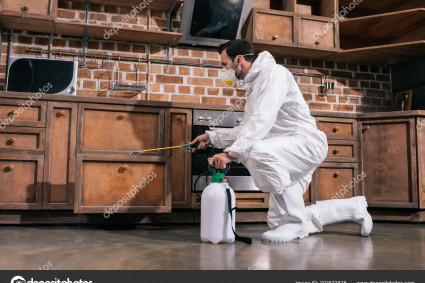
A professional Pest Control Sydney technician can assess the property and identify areas requiring attention. They can also provide preparation and safety instructions based on the treatment selected.
Professional treatment can be particularly useful when you are approaching a final inspection and need to address an established infestation rather than simply responding to an occasional flea sighting.
However, tenants should first understand whether they are responsible for the infestation and whether treatment is actually required under their tenancy arrangements.
Pet Conditions and End-of-Lease Requirements
Pet owners should carefully review the conditions under which their pet was approved for the rental property.
NSW Government guidance explains that landlords may set certain reasonable conditions when consenting to pets. In particular circumstances, professional fumigation conditions can apply where an indoor mammal has been kept as a pet.
This does not mean every pet owner automatically needs professional flea treatment or fumigation when moving out. The specific written conditions attached to the tenancy should be checked.
If you are uncertain, speak with your property manager before arranging End of Lease Pest Control Sydney.
Who Is Responsible for Flea Treatment?
Responsibility for pest treatment can depend on when the problem developed and what caused it. NSW Fair Trading explains that tenants may be responsible for pest problems that arise because of their activities, while landlords can be responsible in circumstances where pests were present at the beginning of the tenancy or where property issues contributed to the infestation.
For pet owners, this distinction can be particularly important.
If fleas appeared after your pet lived at the property, don't automatically assume the situation is identical to every other pest problem. Consider the circumstances, check your documentation, and discuss responsibility with the landlord or agent.
Keeping records of previous pest complaints, veterinary flea treatments, professional services, and communications with the property manager can be helpful.
Can Fleas Affect Your Rental Bond?
An active infestation can become a concern during the end-of-lease process, particularly if the tenant is responsible for the condition.
However, flea treatment alone does not guarantee a bond refund. Bond matters can involve cleaning, damage, rent, keys, and other tenancy obligations.
NSW Government guidance states that tenants should leave the property clean, remove belongings, address damage beyond fair wear and tear, and meet their tenancy responsibilities before moving out.
If you arrange professional End of Lease Pest Control Sydney, keep your invoice, receipt, treatment details, and any relevant documentation. These records can demonstrate that you took action to address the pest issue.
How Early Should You Arrange Flea Treatment?
Avoid leaving flea treatment until the last day of your tenancy. Depending on the infestation and treatment approach, additional cleaning or follow-up may be required.
Ideally, identify the problem while you still have enough time to:
- Discuss it with the property manager.
- Determine who is responsible.
- Treat your pet appropriately.
- Prepare the property.
- Arrange professional Pest Control Sydney treatment if needed.
- Complete required cleaning.
- Follow any post-treatment instructions.
- Inspect the property before returning the keys.
Planning ahead can make the moving process considerably less stressful.
DIY Flea Control vs Professional Treatment
Some tenants try to manage fleas using household sprays, extensive vacuuming, or other DIY methods. Cleaning and vacuuming can form part of an effective flea-management routine, but established infestations may require a more targeted approach.
Using multiple chemical products without understanding the infestation can be ineffective and may create unnecessary risks.
If fleas continue to appear, professional End of Lease Pest Control Sydney can provide a more structured solution. Before treatment, ask about the products used, preparation requirements, safety precautions, pet restrictions, and follow-up recommendations.
Never allow pets or people back into treated areas until the technician's stated safety requirements have been met.
Flea Treatment Checklist for Sydney Tenants
Before handing back your rental, use this checklist:
- Check your tenancy agreement.
- Review any pet-related conditions.
- Inspect pet sleeping areas.
- Check carpets and rugs.
- Wash suitable pet bedding.
- Vacuum thoroughly.
- Remove unnecessary clutter.
- Clean the property according to tenancy requirements.
- Look for ongoing flea activity.
- Speak with your property manager about significant infestations.
- Arrange professional End of Lease Pest Control Sydney if appropriate.
- Follow all treatment instructions.
- Keep receipts and service records.
- Complete a final walkthrough.
- Take photographs of the property's condition.
This approach can help you stay organised and address flea concerns before the final inspection.
Final Thoughts
Flea problems can be easy to overlook when moving out, particularly because much of the infestation may be hidden in carpets, bedding, rugs, and other areas where pets spend time. Treating the pet alone may not address flea activity throughout the property.
For Sydney tenants, the first step is to understand the tenancy agreement and determine whether flea treatment is actually required. If an infestation exists and you are responsible for addressing it, professional Pest Control Sydney can help assess the property and recommend an appropriate treatment approach.
End of Lease Pest Control Sydney can be especially useful when treatment needs to be completed before a final inspection. Start early, prepare the property properly, follow professional safety instructions, and keep documentation of any treatment you arrange.
With careful planning and responsible pet care, you can address flea concerns while making your end-of-lease move more organised and manageable.