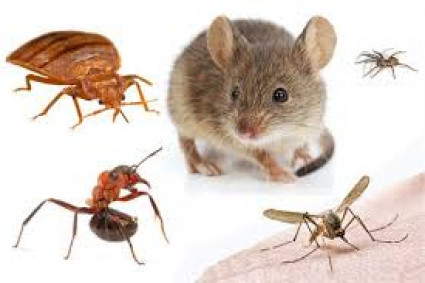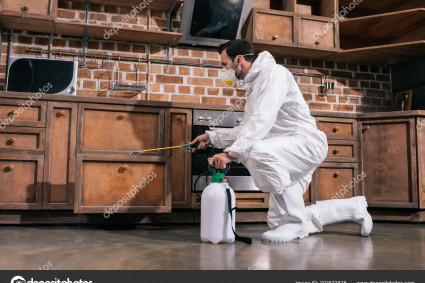
Sydney’s climate creates a comfortable environment not only for people but also for many common household and commercial pests. With relatively mild winters, warm summers, periods of humidity and regular rainfall, pests can find suitable conditions for feeding, breeding and shelter throughout much of the year. Understanding the connection between weather and pest activity can help property owners take preventive action before a minor issue becomes a serious infestation.
For homeowners, regular Pest Control Sydney measures can be particularly useful because different pests become active under different weather conditions. Cockroaches, ants, termites, mosquitoes, spiders, rodents and other unwanted visitors may respond quickly to changes in temperature, moisture and food availability.
Sydney’s Climate and Pest Activity
Sydney experiences a temperate climate with warm summers and generally mild winters. Rainfall occurs throughout the year, although conditions can vary considerably between seasons. These environmental factors influence where pests live, when they reproduce and when they are most likely to enter buildings.
Warm weather generally increases insect activity. Higher temperatures can speed up insect development, while moisture provides suitable conditions for many species. After rain, pests may also move from outdoor hiding places into homes, particularly when soil becomes saturated or their usual shelters are disturbed.
During cooler periods, some pests become less visible rather than disappearing completely. They may move into wall cavities, roof spaces, cupboards, garages and other protected areas. This means pest activity can continue inside a property even when outdoor temperatures fall.
How Warm Weather Encourages Pest Infestations
Summer is often associated with increased pest activity in Sydney. Warm temperatures can encourage insects to feed, reproduce and move around more frequently.
Cockroaches are a good example. They thrive in warm environments where food, moisture and shelter are readily available. Kitchens, bathrooms, drains, cupboards and other damp areas can provide everything they need to survive.
Ant activity can also become more noticeable during warmer months. Ants may establish nests outdoors and enter buildings while searching for food and water. Small gaps around doors, windows, pipes and walls can provide easy access.
Spiders may become more noticeable as insect activity increases. Since many spiders feed on insects, an increase in their food supply can encourage them to remain around gardens, sheds, balconies and buildings.
For these reasons, Pest Control Sydney strategies should consider seasonal conditions rather than relying solely on treating visible pests.
Rain and Increased Pest Movement
Rain can have a major influence on pest behaviour. While moisture is beneficial to many insects and other organisms, heavy rainfall can disturb established nesting and hiding areas.
Ant colonies located in soil may become disrupted when water enters their nests. As a result, ants may search for drier shelter around buildings or move indoors through small openings.
Rodents can also respond to wet conditions by seeking dry and protected spaces. Roof voids, garages, wall cavities, sheds and storage areas can become attractive hiding locations.
Rain can additionally increase standing water around properties. Containers, blocked drains, plant saucers, gutters and other areas that collect water can become breeding locations for mosquitoes.
Good Pest Control Sydney practices therefore include reducing unnecessary moisture around the property and checking potential entry points after periods of heavy rain.
Humidity and Cockroach Problems
Sydney’s humid conditions can contribute to pest problems, particularly in areas where ventilation is poor. Cockroaches, silverfish and some other insects are attracted to environments where moisture is consistently available.
Bathrooms, laundries, kitchens and poorly ventilated storage areas may provide favourable conditions. Leaking taps, damaged pipes, condensation and damp cupboards can make these spaces even more attractive.
Reducing humidity can make a property less appealing to moisture-loving pests. Improving ventilation, repairing leaks and keeping wet areas dry are simple but useful preventive measures.
However, moisture control alone may not eliminate an established infestation. If pests continue appearing despite cleaning and repairs, professional Pest Control Sydney services may help identify hidden activity and determine the most appropriate treatment approach.
Why Termites Can Become a Concern
Sydney properties can face termite activity because termites depend on moisture, timber and suitable shelter. Weather conditions can influence their movement and foraging behaviour.
After periods of rain, soil moisture may increase around properties, potentially creating favourable conditions for termite activity. Properties with timber in contact with soil, moisture problems, leaking plumbing or inadequate drainage can face additional risks.
Termites are particularly concerning because they can remain hidden for long periods. Damage may occur inside timber, beneath flooring or within wall structures before obvious signs appear.
Homeowners should watch for mud tubes, damaged timber, discarded wings, hollow-sounding wood and other unusual signs. Regular inspections are especially important for properties with a history of termite activity.
Mosquitoes and Standing Water
Mosquito activity is closely connected to temperature and water availability. Warm conditions can support mosquito development, while stagnant water provides suitable breeding locations.
Even small amounts of standing water can become problematic. Buckets, old containers, blocked gutters, pot plant trays, children’s toys and poorly maintained outdoor areas should be checked regularly.
After rainfall, property owners should inspect their yards and remove unnecessary water wherever possible. Keeping gutters clear and ensuring drainage works properly can also help reduce potential breeding sites.
Where mosquito activity becomes persistent, Pest Control Sydney professionals can assess the property and recommend appropriate management measures based on the source and surrounding conditions.
Seasonal Changes and Rodent Behaviour
Rodents behave differently from many insects, but weather still affects their movement. When outdoor conditions become uncomfortable, rats and mice may look for warmer, safer and more reliable shelter.
Homes provide attractive conditions because they offer food, water and nesting materials. Roof spaces, wall cavities, kitchens, garages and storage areas can become common hiding places.
During periods of changing weather, property owners may notice scratching sounds, droppings, gnaw marks, damaged food packaging or unusual odours. Early action can prevent a small rodent problem from developing into a larger infestation.
Effective Pest Control Sydney approaches to rodent problems should address both the existing population and the conditions allowing rodents to enter.
Why Sydney Homes Need Year-Round Prevention
One common mistake is assuming pest control is only necessary during summer. Although some pests become more active in warmer weather, Sydney’s relatively mild conditions mean pest problems can occur during different times of the year.
Some insects remain active indoors during winter because buildings provide warmth and shelter. Rodents may actively seek indoor environments when outdoor conditions change. Termites can also remain hidden regardless of whether residents see visible activity.
Year-round prevention is therefore more practical than waiting until an infestation becomes obvious.
Simple measures can make a significant difference. Seal cracks around doors and windows, repair leaking pipes, store food securely, remove unnecessary clutter and keep gardens maintained. Regularly inspect roof spaces, garages, cupboards and other areas that are rarely disturbed.
How Property Conditions Influence Pest Activity
Climate is only one part of the picture. The condition and design of a property can determine how strongly weather changes affect pest activity.
For example, a well-maintained home with good drainage and sealed entry points may be less vulnerable than a property with moisture problems and multiple gaps.
Outdoor vegetation can also influence pest movement. Overgrown plants touching walls or roofs may create pathways for insects and other pests to access buildings. Firewood, garden waste and stored materials can provide additional shelter.
Combining property maintenance with professional Pest Control Sydney advice can create a more comprehensive approach to pest prevention.
When Should You Seek Professional Help?
Professional assistance may be appropriate when pests continue appearing despite cleaning and preventive measures. It is also worth seeking advice when you notice repeated damage, large numbers of insects, rodent activity or signs of termites.
A professional inspection can help determine where pests are entering, where they are hiding and what conditions are encouraging the infestation. Treatment can then be tailored to the specific pest and property rather than relying on a general approach.
This is particularly important when pests are hidden inside walls, roofs, flooring or other difficult-to-access areas.
Preventing Climate-Related Pest Problems
Sydney residents cannot control the weather, but they can control many of the conditions around their property. Prevention starts with reducing access to food, water and shelter.
Keep kitchens clean, store food in sealed containers and dispose of rubbish regularly. Fix leaks promptly and improve ventilation in damp areas. Remove standing water from outdoor spaces and maintain gutters and drainage.
Inspect doors, windows and external walls for gaps. Trim vegetation away from the building and avoid allowing garden debris to accumulate against walls.
Regular property checks, combined with appropriate Pest Control Sydney services when required, can help identify problems before they become difficult to manage.
Conclusion
Sydney’s warm temperatures, humidity, rainfall and mild winters can create favourable conditions for a wide range of pests. Weather changes may influence breeding, feeding, movement and shelter-seeking behaviour, making pest activity a year-round concern for many property owners.
Understanding these seasonal patterns allows homeowners and businesses to take sensible preventive steps. Maintaining drainage, reducing moisture, sealing entry points, keeping properties clean and inspecting vulnerable areas can all help reduce the likelihood of infestations.
When signs of an infestation persist, professional Pest Control Sydney services can provide a more targeted solution by identifying the source and recommending appropriate treatment. Combining professional pest management with consistent property maintenance is one of the most effective ways to keep Sydney properties healthier, cleaner and less attractive to unwanted pests.