Bangkok is a major destination for shopping and clothing, with many options for people interested in custom-made garments. Tailoring can be useful when standard clothing does not provide the desired fit, style, or fabric choice. However, choosing a tailor requires some research because services, materials, prices, and production methods can differ. Therefore, understanding the process can help customers make a more informed decision.
Understand Your Clothing Requirements
Before visiting tailors in Bangkok, it is helpful to decide what type of garment you need. A business suit, formal jacket, shirt, or pair of trousers can require different materials and construction methods. For example, a suit for regular office use may need a practical fabric and comfortable cut, while formal event clothing may focus more on design and appearance.
The intended use also affects fabric selection. Bangkok has a warm and humid climate, so lightweight and breathable fabrics can be suitable for everyday clothing. Cotton and linen are common choices for lighter garments, while wool and wool blends are often considered for formal suits. In addition, customers should consider fabric weight, texture, durability, maintenance, and how frequently the garment will be worn.
Compare Tailoring Methods
Not all custom clothing follows the same production method. Made-to-measure garments generally use an existing pattern that is adjusted according to the customer's measurements. Bespoke tailoring can involve creating a more individual pattern and may include additional fitting stages.
Therefore, customers should ask which method a tailor uses before placing an order. They can also ask how much customization is possible. Details such as lapel style, collar shape, pocket placement, buttons, lining, trouser shape, and sleeve length can influence the final appearance.
Furthermore, clear communication is important. Customers should explain their preferred style and intended use rather than relying only on photographs or general descriptions. This can reduce misunderstandings during the tailoring process.
Why Measurements and Fittings Matter
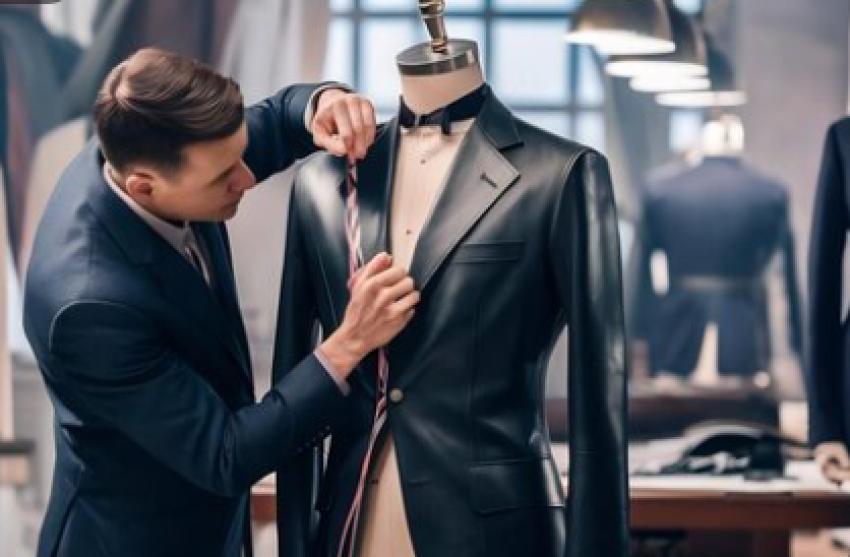
Accurate measurements are essential for custom clothing. Depending on the garment, a tailor may measure the shoulders, chest, waist, hips, arms, sleeves, and legs. In addition, posture and body proportions can affect how the garment sits on the body.
The first fitting is usually an opportunity to identify areas that need adjustment. For instance, a jacket may require changes around the shoulders or waist, while trousers may need alterations to the length or fit. Consequently, customers should ask how many fittings are included and whether additional adjustments are available.
Comfort should receive the same attention as appearance. A garment intended for long office hours needs enough room for natural movement. Similarly, travel clothing may benefit from practical construction and comfortable fabrics. Therefore, explaining how the garment will be used can help guide fitting decisions.
Consider Price, Quality, and Delivery
The price of tailored clothing can depend on fabric, design, construction, finishing, and customization. As a result, customers should request a complete quotation before confirming an order. It is also useful to ask whether fittings, alterations, buttons, linings, and other features are included.
Quality should not be judged by price alone. Customers can examine stitching, fabric finishing, button attachment, lining, seams, and overall garment balance. Additionally, reviewing examples of previous work may provide a better understanding of a tailor's typical workmanship.
Delivery time is another important consideration. Simple garments may take less time than structured suits or detailed formalwear. Moreover, travellers should allow additional time for final fittings and possible alterations, especially when they have a fixed departure date.
Questions to Ask Before Ordering
Before selecting a tailor, customers can ask about fabric options, measurement procedures, fitting schedules, construction methods, alteration policies, and expected completion dates. They can also confirm whether the final garment will be checked before collection.
For people comparing tailoring businesses in Bangkok, Louis Collections Bangkok can be included in their research alongside other local options. Ultimately, customers should make their decision based on their clothing requirements, preferred materials, expected fit, budget, workmanship standards, and available time. A careful comparison can make the custom tailoring process clearer and help customers choose clothing that suits both their practical needs and personal style.