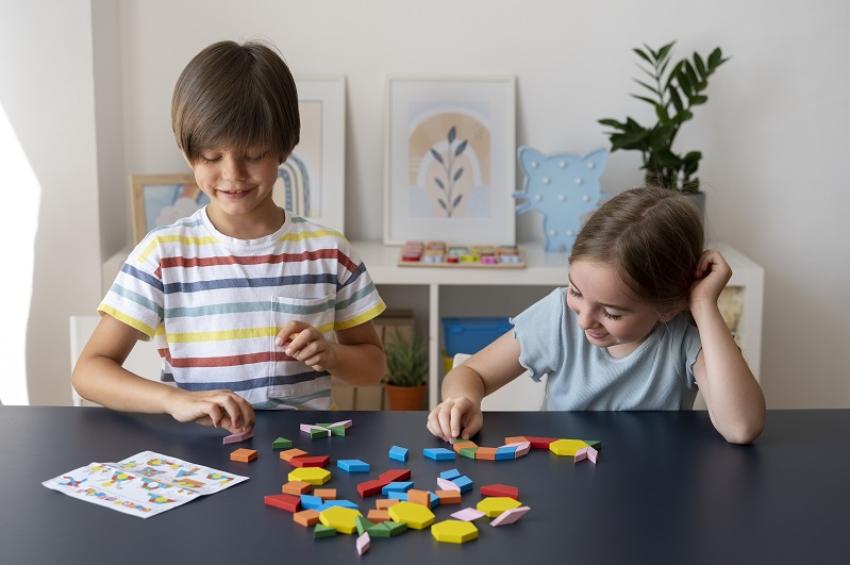
Choosing a board game for your child is not only about finding something entertaining. The right game can encourage counting, communication, problem-solving, patience and decision-making while giving families a chance to spend time together. However, a game that suits a six-year-old may not hold the attention of a teenager. For parents in the UAE, this age-by-age guide can help you choose board games for kids UAE families can enjoy at home, during family gatherings or while travelling.
Why Age Matters When Choosing A Board Game
The best board game is one that matches your child's current abilities without making the rules too difficult to follow. Age recommendations are useful because they give you an idea of the game's complexity, playing time and skills required.
A simple game can help younger children become comfortable with taking turns, while older children may enjoy games that require planning and strategic thinking. You should also consider the number of players and whether your child prefers competition, teamwork, words, numbers or creative play.
Best Games For Ages 3 To 5
At this stage, children usually benefit from games with simple rules, visual elements and short playing times.
Look for games that allow your child to practise basic skills without requiring them to remember several rules at once. Matching, counting and taking turns can all become part of an enjoyable family activity.
What to look for:
Simple gameplay: Choose games where children can understand the basic objective after a short explanation. This helps them participate independently as their confidence grows.
Counting opportunities: Dice-based games can introduce numbers and counting in a natural way. Children can count spaces, pieces or objects while playing.
Short sessions: Younger children may lose interest during long games. A shorter session makes it easier to keep play enjoyable rather than turning it into a task.
For example, a simple Ludo and Snakes & Ladders set can introduce children to dice, movement and turn-taking while allowing an adult to guide them through the rules.
Best Games For Ages 6 To 8
Children between six and eight can usually handle more structured rules and begin making simple decisions during gameplay.
The 2 in 1 Wooden Ludo, Snakes and Ladders Board Game Set for Kids and Adults available from Playzo Kids combines two familiar games in one set. Its Ludo format encourages counting and movement while Snakes and Ladders introduces children to following a sequence and accepting unexpected outcomes.
Another useful option is Guess Who? Grab and Go Board Game, which is designed for ages six and up. The question-based format encourages children to observe details, listen carefully and use clues to narrow down their choices. Its compact design can also make it practical for family trips.
At this age, try playing alongside your child rather than focusing only on who wins. Asking them why they made a particular move can turn a normal game into a useful learning conversation.
Best Games For Ages 9 To 12
Older primary-school children can start exploring games that require more planning, vocabulary and decision-making.
Games such as Scrabble can be useful for children who enjoy words and language. The Scrabble Board Game at Playzo Kids uses letter tiles, racks and scoring spaces, giving players opportunities to build words while thinking about how to maximise their score.
You can make the experience more accessible by allowing younger players to use a dictionary or play in teams with an adult. This keeps the focus on learning and participation rather than making the difference in vocabulary feel discouraging.
Best Games For Ages 13 And Above
Teenagers are often ready for games where decisions have longer-term consequences and players need to think several moves ahead.
Strategy games can encourage planning, logical thinking and negotiation. Games with more detailed rules can also provide a stronger challenge for family game nights where older children and adults play together.
At this stage, consider your teenager's interests. A child who enjoys language may prefer word games, while someone interested in strategy may enjoy chess, Catan or other more complex games available in the board game range.
How To Choose The Right Game For Your Child
Age is a useful starting point but it should not be the only factor. Your child's interests and confidence level can make an equally important difference.
Before buying a game, consider:
Playing style: Think about whether your child enjoys competition, teamwork, guessing, words or strategy. A game that matches their interests is more likely to become a regular favourite.
Family participation: Check the recommended number of players. A game that works well for two people may be more useful for a parent and child, while larger games can suit family gatherings.
Practicality: For UAE families, portable games can be convenient for holidays, visits to relatives or trips. Compact sets are easier to store and carry when needed.
Making Board Games A Regular Family Activity
Board games do not need to be reserved for weekends or special occasions. A short game after dinner can become an easy way to create screen-free family time.
Try keeping a small selection of games suited to different ages and interests. Let children take turns choosing what to play and encourage everyone to follow the rules, handle winning and losing respectfully and give younger players enough time to make their moves.
Conclusion
Choosing a board game by age helps you find an activity that matches your child's abilities while still giving them room to learn. Younger children can begin with counting and turn-taking, while older children can move towards vocabulary, strategy and more complex decision-making.
The most suitable game is one your child understands, enjoys and wants to play again. By considering age, interests and playing style, you can build a collection that supports both independent play and meaningful family time.
FAQs
1. What Age Is Best To Start Playing Board Games?
Many children can begin with simple games from around three years old. Start with short games that involve basic matching, counting or turn-taking, then increase the complexity as your child's skills develop.
2. Are Board Games Educational For Children?
Yes. Depending on the game, children can practise counting, vocabulary, memory, communication, planning and problem-solving. The learning happens naturally because children are applying these skills while playing.
3. How Do I Choose A Board Game For Different Ages?
Check the manufacturer's recommended age first, then consider the child's interests, attention span and ability to understand rules. Choosing a game that is slightly challenging without being frustrating usually works well.
4. Can Older Children And Younger Children Play Together?
Yes. Family-friendly games can work across age groups when an adult explains the rules and helps younger children participate. Team-based play can also reduce the pressure of competing directly against older players.
5. Are Portable Board Games Useful For UAE Families?
Portable games can be particularly convenient for travel, family visits and holidays. Compact options take up less space and can provide an easy screen-free activity when you are away from home.