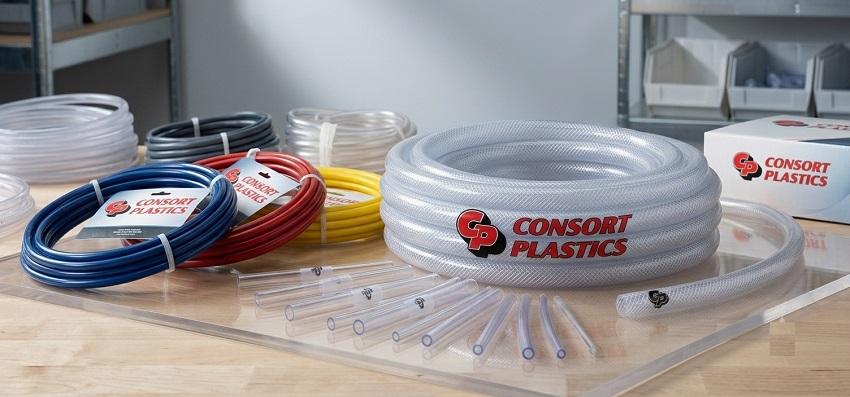
It operates silently behind the scenes of almost every major industry, yet it is rarely given a second thought. Plastic tubing is one of the most ubiquitous and essential components of the modern world. From the life-saving equipment in emergency rooms to the complex pneumatic systems powering heavy manufacturing, this highly adaptable product serves as the literal pipeline for progress. Thanks to advances in polymer science, plastic tubing can be engineered to be rigid or flexible, heat-resistant, or pressure-tolerant, making its applications virtually limitless.
The Lifeline of Healthcare
Nowhere is the precision and reliability of plastic tubing more critical than in the medical field. Walk into any hospital, and you will see it functioning as the vital link between patients and life-saving care. Intravenous (IV) lines, catheters, ventilators, and dialysis machines all rely on specialized, medical-grade tubing.
Because these tubes often come into direct contact with bodily fluids and medications, they are manufactured from biocompatible, non-toxic materials like silicone and specialized PVC. These polymers are favored because they can withstand rigorous sterilization processes without degrading, ensuring complete safety and hygiene for patient care.
The Arteries of Manufacturing
In the industrial sector, plastic tubing is engineered for survival. Manufacturing plants, automotive assembly lines, and chemical processing facilities require conduits that can handle extreme environments. Industrial tubing is routinely exposed to high pressures, abrasive chemicals, and massive temperature fluctuations.
Materials like Polyurethane (PUR) and Polytetrafluoroethylene (PTFE) are the heavy lifters here. Polyurethane offers exceptional resistance to abrasion and tearing, making it ideal for pneumatic and hydraulic lines that power heavy machinery. Meanwhile, PTFE is famous for its chemical inertness, allowing it to safely transport highly corrosive acids and volatile solvents without breaking down or contaminating the flow.
Safe Transfer in Food and Beverage
The journey of your morning coffee, a pint of craft beer, or a gallon of milk often involves plastic tubing. The food and beverage industry requires tubing that is strictly regulated for safety, ensuring that no harmful chemicals leach into the products being consumed.
Tubing used in this sector must meet strict compliance standards. It is carefully formulated to be taste-neutral and odor-free so that it does not alter the flavor profile of the consumables. Polyethylene (PE) and flexible PVC are commonly used in commercial beverage dispensers, dairy processing plants, and water filtration systems because they are hygienic, highly flexible, and easy to sanitize.
Everyday and Commercial Infrastructure
Beyond specialized industries, plastic tubing is a staple in everyday infrastructure and commercial applications. In agriculture and landscaping, High-Density Polyethylene (HDPE) tubing is widely used for drip irrigation systems, delivering water efficiently to crops and commercial lawns. In the construction and electronics fields, tubing serves as a protective jacket for complex electrical wiring and fiber-optic cables, shielding them from moisture and physical damage. Even in household settings, it is commonly found in aquarium filters, refrigerator water lines, and HVAC drainage systems.
A Material Moving Forward
The applications for plastic tubing are as diverse as the industries that rely on it. Whether it is safely delivering medicine, transporting harsh industrial chemicals, or simply watering a commercial landscape, this simple yet highly engineered product keeps the modern world flowing seamlessly. As material science continues to evolve, we can expect to see even more specialized, durable, and sustainable tubing solutions emerge, cementing its place as an indispensable industrial building block.