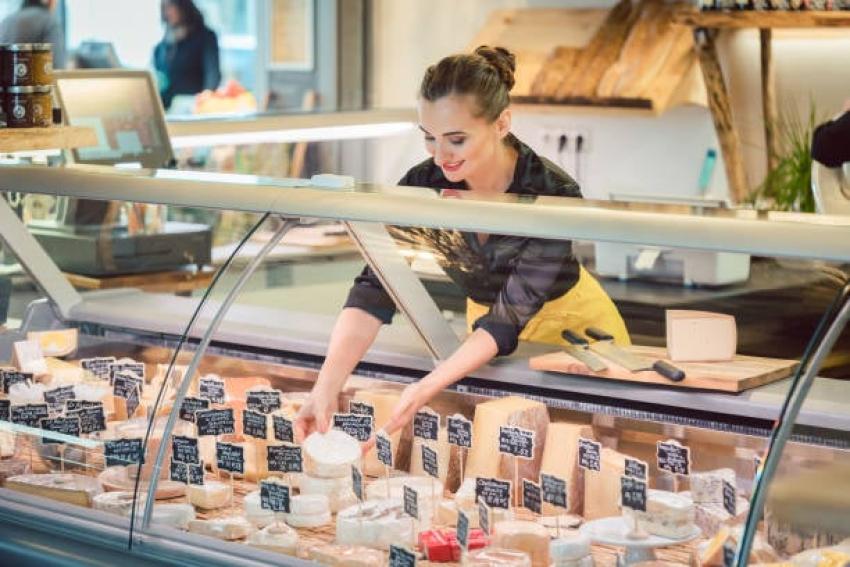
Choosing a commercial deli display is a significant capital investment for any Australian food business. The right refrigerated display case supports food safety, preserves product quality, improves visual merchandising, and reduces operating costs through efficient refrigeration.
Whether you operate a delicatessen in Sydney, a butcher shop in Brisbane, a gourmet café in Melbourne, or a supermarket in Perth, selecting the right chilled merchandising unit helps maintain compliance while enhancing the shopping experience.
Quick Selection Checklist
Priority
Why It Matters
Temperature Stability
Protects food quality and supports adherence to the FSANZ or Australia New Zealand Food Standards Code.
Energy Efficiency
Reduces electricity costs through efficient components and modern refrigerants.
Easy Maintenance
Simplifies daily cleaning, improves hygiene, and extends equipment life.
1. How Do I Maintain Safe Food Temperatures?
Temperature stability is the most important feature of any refrigerated deli showcase. You must store potentially dangerous items within safe limits under the Australia New Zealand Food Standards Code (FSANZ).
Look for:
Digital temperature controls
Accurate thermostats
Uniform air circulation
Rapid temperature recovery
Automatic temperature monitoring
Constant refrigeration maintains meal quality while helping companies meet food safety requirements.
2. Which Glass Design Is Best for Product Presentation?
Visual presentation significantly influences purchasing decisions. Clear, high-end glass boosts product visibility while making service easier for employees.
Choose features such as:
Toughened safety glass
Anti-fog technology
Scratch-resistant surfaces
Easy-clean finishes
Curved vs Straight Glass
Feature
Curved Glass
Straight Glass
Appearance
Premium presentation
Modern, clean look
Customer Visibility
Wider viewing angle
Excellent front visibility
Cleaning
Slightly more detailed
Simpler to clean
Best For
Gourmet delis and bakeries
Butchers and supermarkets
3. How Can I Reduce Energy Costs?
Energy-efficient refrigeration lowers long-term operating expenses while supporting sustainable business practices.
Look for:
Light Emitting Diode (LED) lighting
High-efficiency compressors
Improved insulation
Low-energy fan motors
Low-GWP (Global Warming Potential) refrigerants such as R290 (Propane) or R600a
Night blinds for after-hours operation
4. Why Does Lighting Matter?
Well-positioned LED lighting improves product visibility, enhances colour accuracy, and creates a more attractive display.
It is particularly effective for:
Fresh meat
Seafood
Gourmet cheese
Prepared meals
Cakes
Smallgoods (processed meats such as ham, salami, and bacon)
5. How Much Display Flexibility Do I Need?
Different businesses require different merchandising layouts.
Look for:
Adjustable shelving
Multiple display levels
Removable trays
Dedicated display zones
Spacious serving areas
Use Cases
Business
Recommended Features
Butcher Shop
Deep racks, powerful cooling, and a larger showcasing space
Gourmet Café
Compact footprint, attractive lighting, flexible shelving
Supermarket
High-capacity cabinet, multiple display zones
Specialty Deli
Premium presentation with humidity management
6. How Much Maintenance Is Required?
Daily cleaning is essential for hygiene and efficient operation.
Choose cabinets with:
Stainless steel interiors
Rounded internal corners
Smooth surfaces
Removable shelves
Accessible drainage
Easy-clean glass
Industrial designs reduce cleaning time and help maintain consistent hygiene standards.
7. Is the Cabinet Built for Continuous Commercial Use?
Commercial refrigeration often operates continuously. Industrial-duty components designed for 24/7 operation improve reliability and reduce downtime.
Look for:
Stainless steel construction
Heavy-duty shelving
Corrosion-resistant materials
Industrial compressors
Durable hinges
High-quality door seals
Industrial-grade construction is essential for Australia's demanding retail environments.
8. Are the Controls Easy for Staff to Use?
Simple controls reduce training requirements and improve day-to-day operation.
Useful features include:
Digital control panels
Clear temperature displays
Alarm notifications
Easy maintenance access
Simple temperature adjustment
9. How Do I Choose the Right Size?
A refrigerated display should fit comfortably within your available floor space while allowing efficient customer movement.
Simple Measuring Guide
Measure the installation area.
Allow space for customer traffic.
Leave clearance for ventilation and servicing.
Confirm door opening requirements.
Plan for future product expansion.
10. How Do I Ensure Compliance and Long-Term Support?
Check that the cabinet complies with relevant Australian electrical and refrigeration requirements, including AS 1731 for refrigerated display cabinets where applicable.
Food-contact surfaces should be manufactured using food-safe materials suitable for commercial environments.
Warranty protection is equally important. Select manufacturers offering Australian service networks, readily available spare parts, and prompt technical support to minimise business downtime.
Common Mistakes to Avoid
Mistake
Better Approach
Buying based only on price
Compare lifetime operating costs.
Choosing the wrong cabinet size
Measure the installation area first.
Ignoring service availability
Select suppliers with Australian support.
Overlooking energy efficiency
Choose efficient compressors and refrigerants.
Purchasing without future growth in mind
Allow additional display capacity.
Buying Checklist Before You Place an Order
Before purchasing a commercial deli display, verify that the unit matches your business requirements rather than selecting a cabinet based solely on price or appearance.
Checklist Item
Why It Matters
Cooling performance
Maintains stable temperatures during busy trading hours.
Cabinet dimensions
Ensures the unit fits the available retail space.
Display capacity
Matches your expected daily product volume.
Power requirements
Confirms compatibility with your electrical supply.
Refrigerant type
Efficient refrigerants such as R290 can reduce energy consumption.
Warranty period
Provides financial protection against manufacturing defects.
Spare parts availability
Reduces downtime when repairs are required.
Local service network
Enables faster maintenance and technical support across Australia.
Completing this checklist before ordering helps prevent unexpected installation issues and ensures the refrigerated display case supports your operational requirements from day one.
Comparison of Standard and Premium Commercial Deli Displays
Not every company needs a high-end cabinet, but being aware of the differences helps buyers invest appropriately.
Feature
Standard Model
Premium Model
Temperature Control
Digital thermostat
Precision electronic control with continuous monitoring
Glass
Toughened glass
Anti-fog, low-reflection glass
Lighting
Standard LED
High-output LED with improved product illumination
Refrigerant
Conventional commercial refrigerant
Low-GWP refrigerants such as R290
Shelving
Fixed or limited adjustment
Fully adjustable merchandising system
Cleaning
Standard access
Tool-free removable components
Warranty
Manufacturer standard
Extended warranty options may be available
Premium features often deliver better merchandising flexibility, lower operating costs, and improved long-term reliability for businesses with high customer traffic.
Expert Tip: Match the Cabinet to Your Product Mix
Selecting the right chilled merchandising unit depends on the products you intend to display. Different foods require different presentation priorities.
Product Category
Priority Feature
Fresh Meat
Stable temperatures and bright colour-correct lighting
Cheese
Consistent humidity and adjustable shelving
Seafood
Powerful refrigeration and easy-clean surfaces
Prepared Meals
Wide display area with excellent visibility
Gourmet Foods
Premium presentation and flexible merchandising
Deli Smallgoods
Multiple display levels and efficient product organisation
A commercial deli display performs an essential function beyond refrigeration. The right chilled merchandising unit protects food quality, improves product presentation, supports regulatory compliance, and increases operational efficiency.
When comparing refrigerated display cases, prioritise stable temperature control, energy-efficient operation, durable construction, easy maintenance, and reliable Australian service support. Hospitality business owners and fresh food retailers who invest in quality equipment gain dependable performance, lower operating costs, and an attractive retail presentation that supports long-term business success.