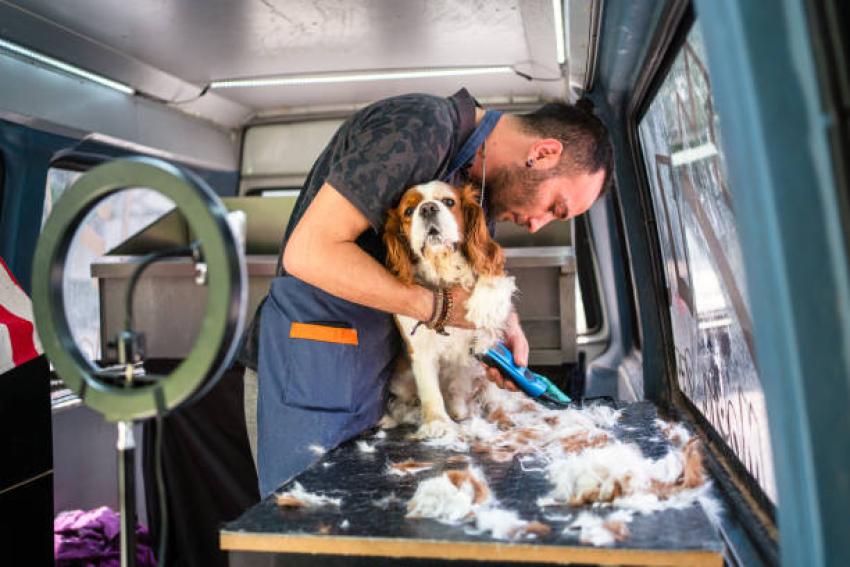
Most dog owners don't skip grooming on purpose. Life gets busy, the dog seems fine, and suddenly three months have passed and your pup looks like a small, sad haystack. The problem is that a lot of the signs your dog is overdue don't hit you all at once. They sneak up slowly. A little smell here, a mat forming there, nails that click a bit louder on the floor. If you've been wondering whether it's time to book an appointment, this list should settle it. Finding quality Pet Grooming Services in Los Angeles CA doesn't have to be a whole production, but knowing when to do it makes a real difference for your dog's comfort and health.
1. You Can See or Feel Mats in the Coat
Mats are tangled clumps of fur that lock together when dead hair doesn't get brushed out. They start small. Most people don't notice them until they're already a problem, usually when they run a hand through the dog's coat and hit a dense knot near the armpit, behind the ears, or around the collar area. Those spots are the worst for it.
Here's why it matters beyond looks. Tight mats pull on the skin constantly. That's painful, especially when the dog moves. Mats also trap moisture and debris underneath them, which creates a warm, dark environment where bacteria and yeast thrive. A professional groomer can safely remove mats with the right tools and technique. Trying to cut them out yourself with scissors at home is genuinely risky. Dogs have gotten nicked badly that way.
Longer-coated breeds like Shih Tzus, Doodles, and Cocker Spaniels can mat in as little as six to eight weeks without brushing. Even short-coated dogs can develop mats in high-friction spots. Don't wait until the coat is fully locked up.
2. The Smell Doesn't Go Away After a Bath
You gave the dog a bath. You used the good shampoo. And somehow, two days later, the smell is back. That's a sign something else is going on. Natural skin oils build up in the coat between professional cleanings, and home baths don't always strip them out evenly. But persistent odor can also point to ear infections, skin fold issues, or anal gland problems, none of which a regular bath at home will fix.
Ear smell is distinct. It's kind of musty or yeasty, and it tends to be stronger when the dog shakes its head or you get close. Anal gland odor is harder to miss. It's a sharp, fishy smell that usually hits you when the dog sits near you. Both of these are things a groomer will catch and flag for you. Some groomers will express the anal glands as part of the service, or they'll recommend you see a vet if it's already causing the dog discomfort.
3. The Nails Are Too Long
Overgrown nails are one of the most common things people let slide. It's easy to do. The dog doesn't seem bothered at first. But long nails change the way a dog walks. When nails are too long, they push the toes upward slightly with every step, which puts strain on the joints over time. In older dogs especially, this can make existing joint pain a lot worse.
You'll usually notice it by sound first. Clicking on hard floors means the nails are touching the ground when they shouldn't be. Some dogs also start slipping more on smooth surfaces as the nails throw off their footing. And if the nails curl, they can grow into the paw pad. That's a vet visit, not just a grooming visit. Catching it early keeps it simple.
According to the American Veterinary Medical Association's pet care guidance, regular nail trimming is a basic part of keeping dogs healthy and comfortable. Most dogs need it every three to four weeks, though it varies by breed and how much time they spend on pavement.
4. Excessive Scratching, Head Shaking, or Scooting
Any one of these behaviors is worth paying attention to. All three together? Book an appointment today. Scratching that goes beyond normal can mean the coat is dirty, the skin is irritated, or there's a product or allergen buildup that needs a proper wash to clear out. Head shaking, especially repeated and vigorous, usually points to ear discomfort. Scooting (dragging the rear end along the floor) almost always means the anal glands are full or impacted.
Groomers see these things constantly. A good groomer will check the ears during the appointment, clean them if needed, and tell you whether the dog needs a vet visit for anything they spot. They're not replacing veterinary care, but they're often the first ones to flag a problem. That early heads-up matters.
If your dog has been scratching at one spot repeatedly, check the skin under the coat. Redness, flaking, or raw patches are signs the dog needs attention sooner rather than later. Don't just wait and see on those.
5. The Coat Looks Dull, Greasy, or Flaky
A healthy coat has a certain look to it. It's got some shine, the fur lies reasonably flat, and there's no visible buildup on the skin. When a dog is overdue for grooming, the coat starts to look flat and dull, sometimes greasy around the neck and back, and you might notice white flakes when you pet them. That's not always dandruff in the medical sense, but it's a sign the skin isn't being maintained the way it should be.
Different breeds have different grooming timelines, and honestly, a lot of owners don't know what their specific dog actually needs. A Labrador and a Poodle are not on the same schedule. Double-coated breeds like Huskies and German Shepherds need regular deshedding treatments to prevent undercoat buildup, which causes its own set of skin issues. If you're in the LA area and not sure what schedule fits your dog's coat type, Pet Grooming in Los Angeles CA professionals can usually give you a straightforward answer at the first appointment.
Services that handle Pet Grooming in Los Angeles CA often offer breed-specific packages for exactly this reason. One option worth looking into is Dog Fountain Mobile Grooming, which comes to your location and handles the whole session without you having to wrangle a stressed dog into the car.
6. The Dog Is Uncomfortable Being Touched
Some dogs are just a bit touchy by nature. But if your normally chill dog has started flinching or pulling away when you touch certain spots, that's worth noting. Mats pulling on skin, overgrown nails affecting posture, or irritated skin can all make a dog more sensitive to handling. It's not attitude. It's usually pain or discomfort.
A groomer who works regularly with your dog will notice changes in how the dog responds to being touched. That kind of continuity matters. It's one reason regular grooming appointments, not just emergency ones, tend to work out better for the dog in the long run.
7. You Can't Remember the Last Appointment
Honestly, this one's the simplest sign of all. If you genuinely can't remember when the last grooming session was, it's been too long. Most dogs need professional grooming every four to eight weeks depending on coat type. Some need it more often. Very few need it less. Pet Grooming Services in Los Angeles CA are easier to schedule than most people expect, and keeping a regular cadence means the sessions stay shorter and less stressful for the dog each time.
Frequently Asked Questions
How often should I get my dog professionally groomed?
It depends on the breed and coat type, but most dogs do well with a professional session every four to eight weeks. Short-coated dogs can sometimes stretch to every eight to twelve weeks. Long-coated or curly-coated breeds usually can't go past six weeks without running into mat problems.
Can I just groom my dog at home instead of booking a professional?
Regular brushing at home is great and you should be doing it between appointments. But professional groomers have tools, training, and a setup that's hard to replicate in a bathroom. They also handle things like nail grinding, ear cleaning, and anal gland expression that most owners aren't comfortable doing themselves.
My dog hates the groomer. What can I do?
Mobile grooming is worth trying for anxious dogs. The dog stays in a familiar environment (your driveway or street), there are no other animals around, and the whole experience tends to be calmer. A lot of owners find their previously stressed dogs do much better with mobile services compared to a busy salon.
Are there signs my dog's grooming issues need a vet, not a groomer?
Yes. Raw or broken skin, visible swelling, discharge from the ears, or a dog that's clearly in pain when touched should go to the vet first. A groomer can flag problems, but they're not there to treat medical conditions. When in doubt, call your vet and describe what you're seeing.
Does grooming frequency change as a dog gets older?
Sometimes. Older dogs can be more sensitive to handling, which means shorter, more frequent sessions are often easier on them than longer ones spaced far apart. Senior dogs also tend to have drier skin and slower nail growth, so the groomer may adjust the approach a bit. Just mention your dog's age and any health issues when you book.