Walking into a Pilates studio for the first time can feel a little nerve-wracking, honestly. You don't know where to stand, what to wear, whether you'll be able to keep up, or if the instructor will put you on the spot in front of a room full of people who clearly know what they're doing. That anxiety is real, and it's way more common than you'd think. This guide walks you through everything you'll actually encounter, from the moment you book to the day after your first session, so you can show up feeling ready instead of lost. If you're looking for a Pilates Studio in Fulton Market Chicago IL, knowing what to expect before you walk in makes a big difference.
Reformer vs. Mat: Which One Will You Start On?
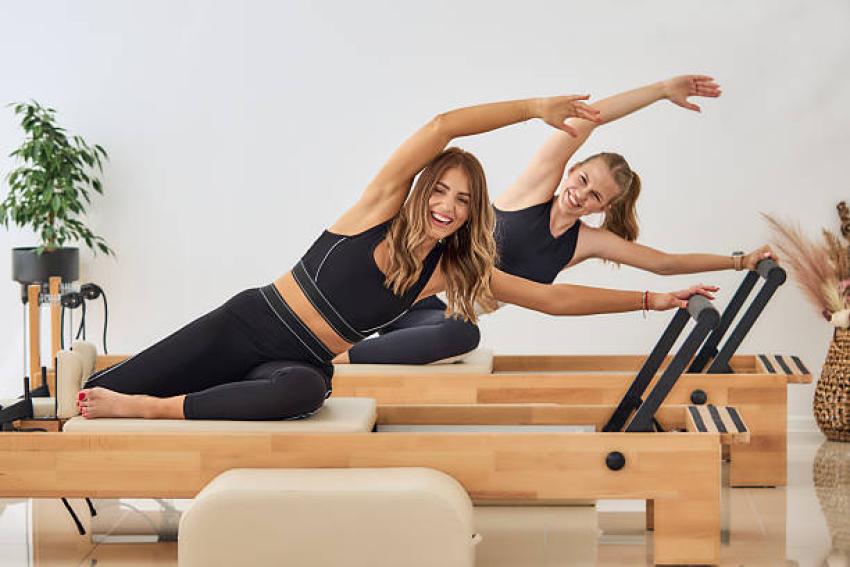
Most people assume Pilates means lying on a mat doing crunches. Not quite. There are two main formats you'll run into at a studio: mat classes and reformer classes. Mat work uses just your bodyweight, while the reformer is a sliding carriage machine with springs that add resistance or assistance depending on how they're set up. It looks complicated. It's actually pretty intuitive once an instructor shows you the basics.
Here's the thing about most studios: they'll steer beginners toward a reformer intro session first, not a mat class. That might seem backwards, but the reformer's spring system actually supports your body through movements that would be too demanding on a mat without prior training. You build the right muscle patterns faster. Most group mat classes assume a baseline of body awareness that new students just don't have yet, so starting on the reformer is genuinely the smarter path for most people.
The Intake Process Before Your First Session
Don't skip the intake form. Seriously. Before your first class at a Pilates studio in Fulton Market or anywhere else, you'll almost certainly fill out a short health history form covering things like past injuries, any chronic pain, surgeries, and your general fitness background. Some studios do this digitally before you arrive; others hand you a clipboard when you walk in. Either way, it takes maybe five minutes.
After the form, a lot of studios will have the instructor spend a few minutes talking with you one-on-one. They might ask about posture issues, whether you sit at a desk all day, or if you have any specific goals. This isn't small talk. They're figuring out how to modify movements for you and where to watch your form during class. Be honest here. Mentioning that old knee thing or the lower back stiffness you've had for years will help them help you a lot more effectively.
What to Wear and What to Bring
Keep it simple. Fitted workout clothes work best because loose fabric gets caught in the reformer carriage or bunches up in ways that make it hard for the instructor to see your alignment. Leggings and a fitted top are pretty much the standard. You don't need anything special.
Grip socks are worth mentioning because most studios require them. They look like regular socks with little rubber dots on the soles, and they keep your feet from sliding on the reformer footbar or the mat. Some studios sell them at the front desk if you forget. Bring a water bottle, arrive about ten minutes early, and leave the jewelry at home. That's really about it. No elaborate gym bag required.
What the Class Actually Looks Like
A typical beginner reformer class runs somewhere between 50 and 60 minutes. You'll start with a short warm-up, usually some breathing work and gentle spinal movement, just to get your body tuned in and your nervous system paying attention. From there, the class moves through a series of exercises targeting your core, hips, back, and legs, often cycling through a handful of different spring and strap configurations on the reformer.
Instructors cue constantly. They'll tell you where to put your feet, how to breathe, when to press and when to pull back. Good ones also walk the room and make small physical adjustments, like tapping your shoulder to remind you to drop it, or gently repositioning a foot. This is normal and helpful, not embarrassing. The class wraps up with a cooldown stretch sequence that usually feels pretty good after everything that came before it. According to the general history and principles of Pilates, this attention to controlled movement and breath has been central to the method since Joseph Pilates developed it in the early 20th century.
If you're checking out a Pilates studio in Fulton Market, Better Posture Pilates is one option in that area that focuses specifically on reformer-based work for people at all levels, including complete beginners.
How Your Body Will Feel During and After
During the class, you'll probably feel muscles firing that you've completely ignored for years. Not painful, exactly. More like a deep awareness of your inner thighs, your lower abs, or the small stabilizers around your shoulder blades. Some people find the first class surprisingly hard. Others find it gentler than expected. Both reactions are normal.
The day after is where it gets interesting. Expect some soreness, especially through your core, inner legs, and glutes. It's the kind of soreness that tells you something actually worked, not the sharp pain of an injury. Most people feel it peak around day two and fade by day three or four. Drink water, move around a little, and don't skip your second session just because you're sore. That second class is usually where things start to click.
Progression is slow and that's fine. Most instructors will tell you that real change in posture, strength, and body awareness shows up around the six to eight week mark if you're going once or twice a week. That's not a long time. But you have to actually go consistently, not just once and then again three months later when you remember to book.
A Few Practical Things Nobody Tells You
Studios are usually quieter than a gym. The vibe is generally calm and focused, not loud and high-energy. You're not going to hear a DJ. Most classes are small, often six to ten people, which means the instructor actually notices what you're doing and can correct you. That's a good thing, even if it feels a little exposed at first.
Also, don't worry about being the least fit person in the room. In a beginner class, everyone is figuring it out. And in a mixed-level class, the reformer's spring settings mean each person is working at their own resistance level anyway. Nobody's watching you. They're all focused on not sliding off their own carriage.
Frequently Asked Questions
Do I need any experience before my first Pilates Studio in Fulton Market Chicago IL class?
No prior experience needed at all. Most studios that offer beginner or intro sessions are set up specifically for people who've never done Pilates before. Just show up, mention it's your first time, and let the instructor guide you through it.
How early should I arrive for my first class?
Ten to fifteen minutes early is the right window. You'll need time to fill out the intake form, get your grip socks sorted if you forgot yours, and get oriented to the space before the class starts. Showing up right on time for your first session is a bit stressful and not worth it.
Will I be able to keep up in a group class?
Probably not perfectly, and that's completely fine. Instructors expect beginners to take a beat, watch the movement first, and then try it. Nobody expects you to nail every exercise in session one. Most studios also offer modifications for every movement, so you're not stuck if something feels too hard.
How often should I go as a beginner?
Once or twice a week is a solid starting point. That gives your body enough time to recover between sessions while still building muscle memory at a reasonable pace. Going more than three times a week in the first month is usually overkill and can lead to burnout before you've had a chance to actually enjoy it.
What if I have an injury or chronic pain?
Tell the studio when you book, and tell the instructor before class. Pilates is actually used pretty widely in physical therapy and rehab settings because the movements can be scaled down significantly. A good instructor will modify exercises around your limitations rather than just telling you to sit out.
Showing up for that first class is genuinely the hardest part. After that, most people find it a lot less intimidating than they expected, and a lot more effective than they thought a low-impact workout could be.