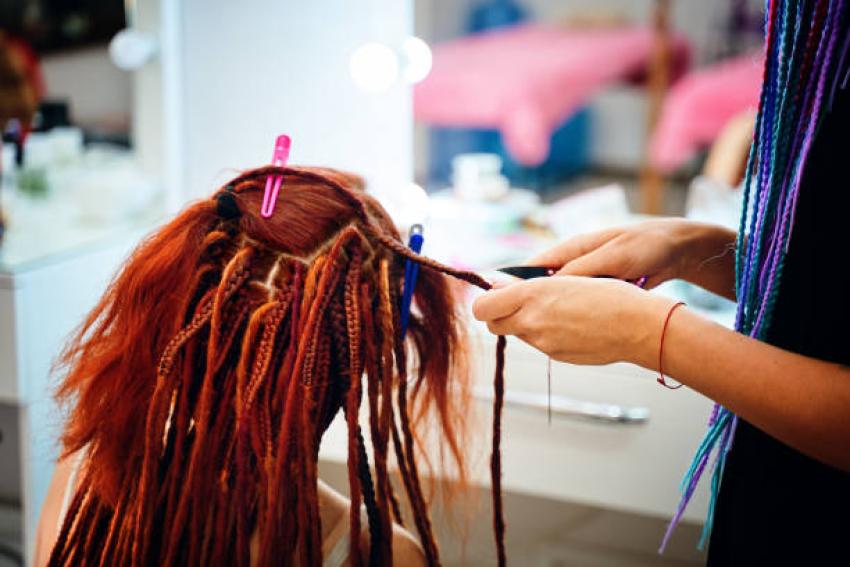
Getting box braids should feel like a fresh start, not the beginning of a headache. But a lot of people walk out of the salon and assume that soreness, frizz, or uneven parts are just part of the process. They're not. There's a real difference between normal post-install tenderness and signs that something went wrong. If you're unsure whether your braids were put in correctly, this article will help you figure it out fast. Finding a skilled Box Braiding Salon in Tulare CA matters more than most people realize, and knowing what to look for means you can make smarter decisions before any real damage sets in.
1. Your Scalp Still Hurts After 48 Hours
Some tenderness right after installation is normal. Your scalp isn't used to the weight and tension, so a day or two of mild sensitivity is expected. But if you're three or four days out and still wincing when you touch your hairline, that's a red flag. Persistent pain usually means the braids were pulled too tight at the root.
Excessive tension is one of the most common mistakes in braid installation. It can cause traction alopecia over time, which is a form of hair loss caused by prolonged pulling on the hair follicles. Not pretty. The hairline is especially vulnerable, so if you're seeing small bumps, pimples, or irritation along your edges on top of the pain, that's your scalp telling you something went wrong.
Don't wait it out hoping it'll improve. If the pain hasn't eased up significantly by day three, go back and talk to your stylist. A good braider will take the feedback seriously. If they dismiss you, that tells you something too.
2. You're Seeing Thinning or Breakage at the Roots
This one can sneak up on you. You might not notice until you're a few weeks in and suddenly your edges look sparse or you're finding a lot of broken hairs when you take the braids down. Thinning at the roots or edges almost always points back to how the braids were installed.
Rubber bands are a big culprit. Some stylists use them at the base to secure the extension hair, and while that can work, it needs to be done carefully and removed properly. Left too tight or too long, rubber bands will snap your natural hair right off. Uneven tension across the scalp is another issue, where some sections get pulled harder than others and those spots wear down faster.
Worth paying attention to your parting pattern too. If sections were grabbed randomly or inconsistently, the weight of the extension hair won't distribute evenly. That puts extra stress on certain follicles every single day the braids are in.
3. The Parts Look Uneven or Crooked
Stand back and look at your braids in a mirror. Do the sections look clean and consistent? Or do some parts zigzag, overlap, or vary wildly in size? Uneven sectioning isn't just a cosmetic problem. It's a sign of rushed work or a stylist who hasn't fully developed their technique.
Clean, consistent parts matter for a few reasons. Aesthetically, your style will look polished and intentional instead of haphazard. But beyond looks, even sections mean even tension, which protects your scalp over the weeks you'll be wearing the style. Misaligned parts can create pressure points where the scalp gets more stress than it should.
A skilled braider takes the time to section carefully before they ever pick up a piece of extension hair. If your stylist rushed through the parting phase or didn't use a rat tail comb to make clean lines, the finished result usually shows it. This is one of those things that's hard to fix once the braids are in.
4. The Ends Are Frizzing or Unraveling Within the First Week
Your braids should hold their shape for weeks, not days. If the ends are already fuzzy, slipping, or coming undone in the first week, something went wrong with the sealing or the extension hair itself. Both problems are fixable going forward, but they do mean the installation wasn't done right.
Synthetic extension hair needs to be sealed at the tip, usually with hot water dipping or a flame seal, depending on the hair type. If a stylist skips this step or rushes it, the braid unravels from the bottom up. Pretty quickly, actually. Low-quality extension hair is also more prone to this, since cheaper synthetic fibers don't grip as well and tend to slip under normal movement and friction.
If you're getting Box Braiding in Tulare CA and the shop uses quality extension hair and proper sealing technique, your braids should look fresh for at least three to four weeks with basic maintenance. Anything less than that suggests corners were cut somewhere. Triluxe Hair And African Braiding is one spot people in the area mention when they want braids that actually last, so it's worth looking into if you've had bad luck elsewhere.
5. You're Dealing With Constant Itching or Buildup
Some scalp itching in the first day or two can happen as your hair adjusts. But ongoing itching, visible flaking, or a sticky, product-clogged feeling under your braids usually points to one of two things: the wrong products were used during installation, or your natural hair wasn't properly prepped before the braids went in.
A clean, moisturized scalp before installation makes a huge difference. If your hair wasn't freshly washed, or if the stylist used heavy products that don't breathe well under braids, you're going to feel it within days. Some stylists apply too much gel or edge control to smooth the hair, and that residue traps under the braids and builds up fast. Box Braiding in Tulare CA done by an experienced stylist should include a conversation about what was used on your hair beforehand.
Itching that doesn't let up can also lead to scratching, which leads to scalp irritation and, eventually, damage. So it's not something to ignore just because the braids look fine from the outside.
Frequently Asked Questions
How long should box braids hurt after installation?
Mild soreness for the first 24 to 48 hours is normal. After that, the discomfort should fade. If your scalp is still painful or you're seeing bumps and irritation past day two or three, the braids were likely installed with too much tension.
Can I get my box braids redone if they were done incorrectly?
Yes, but it depends on the type of problem. Braids that are too tight usually need to be taken out and redone from scratch. Loose or unraveling ends can sometimes be re-dipped or re-sealed without removing everything. A good stylist can assess what's salvageable.
Will thinning edges from tight braids grow back?
Usually, yes, if you catch it early and stop the tension. Give your edges time to rest without any tight styles, use a gentle scalp oil, and be patient. If the follicles have been repeatedly damaged over a long period, regrowth can be slower or incomplete, which is why catching the problem early matters.
How do I find a Box Braiding Salon in Tulare CA that does quality work?
Look at their actual portfolio, not just their best photos. Ask specifically how they handle scalp prep, what extension hair brands they use, and whether they do a consultation before starting. Reviews that mention longevity of the style and scalp comfort are more useful than general compliments.
What should I do to maintain box braids and prevent buildup?
Use a diluted, lightweight shampoo or a scalp spray to clean between braids every one to two weeks. Avoid heavy creams or oils directly on the scalp since they tend to clog and build up fast. A satin bonnet or scarf at night helps cut down on frizz and keeps the braids looking neat longer.
Box braids done right should feel comfortable, look clean, and last. If yours don't, you now know what to look for and what it means. Trust your gut, and don't feel pressured to keep a style that's hurting your hair.