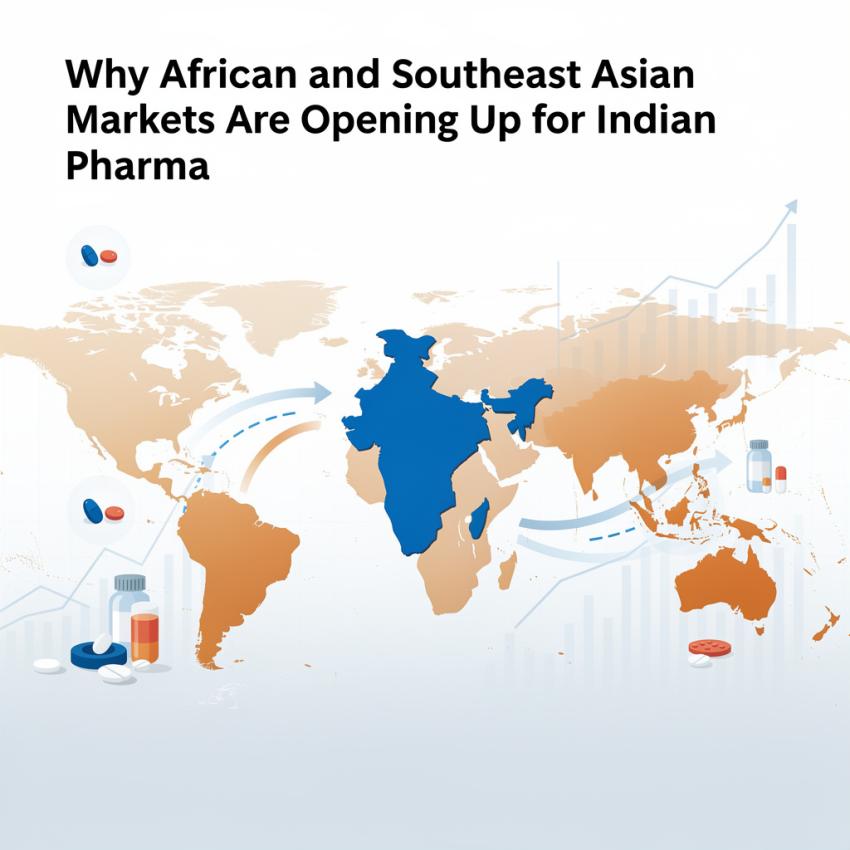
For years, Indian pharmaceutical companies focused heavily on a handful of established export destinations. That pattern is changing quickly. African and Southeast Asian markets are now showing genuine openness towards Indian pharma products, and understanding why this shift is happening reveals a lot about where the global healthcare industry is heading.
Rising Healthcare Needs Across These Regions
Many African and Southeast Asian countries are experiencing rapid population growth alongside improving healthcare infrastructure. As more people gain access to basic healthcare services, demand for reliable, affordable medicines has increased significantly. Local manufacturing in many of these regions simply cannot keep pace with this growing need, creating a natural opening for established pharmaceutical exporters like India to step in.
Why Affordability Matters So Much in These Markets
Unlike wealthier regions where premium pricing is often acceptable, many African and Southeast Asian countries prioritize affordability without compromising on safety. Indian manufacturers have long been known for producing effective, quality tested medicines at reasonable prices, making them a natural fit for these price sensitive yet quality conscious markets.
This balance of affordability and reliability has become one of the strongest reasons these regions continue turning towards Indian pharmaceutical suppliers rather than more expensive alternatives from other parts of the world.
Improving Regulatory Cooperation
Another important factor behind this growing openness is improving regulatory cooperation between India and these regions. Many countries are streamlining their registration processes for foreign pharmaceutical products, making it easier for Indian companies to enter these markets without excessive delays or overly complicated paperwork.
This improved cooperation benefits both sides, local healthcare systems gain quicker access to needed medicines, while Indian exporters gain a more predictable pathway into new markets.
Specific Countries Leading This Shift
Certain countries within these regions have become particularly active in welcoming Indian pharmaceutical products. A pharma company Malawi UAE Malaysia export strategy has become a common approach among Indian manufacturers looking to diversify their international presence, since each of these markets offers a slightly different opportunity, ranging from essential medicine access in parts of Africa to more specialized, quality driven demand in Southeast Asia and the Middle East.
This diversified approach allows companies to reduce their dependence on any single market, building a more balanced and resilient export strategy overall.
Growing Demand for Specialized Categories
Beyond general medicines, there is also rising interest in more specialized pharmaceutical categories, including dermatology and skincare products, across these regions. As healthcare awareness improves, patients and doctors alike are seeking more advanced treatment options rather than relying solely on basic medicines. Indian manufacturers with strong dermatology expertise are well positioned to meet this growing, more specific demand.
Why Local Partnerships Matter in These Markets
Successfully entering African and Southeast Asian markets often requires more than just shipping products. Building local partnerships, understanding regional healthcare priorities, and adapting to specific regulatory requirements all play a role in long term success. Indian companies willing to invest time in understanding these local dynamics tend to build stronger, more sustainable business relationships compared to those treating these markets as purely transactional opportunities.
Infrastructure Improvements Supporting This Growth
Better logistics networks, improved cold chain facilities, and stronger transportation infrastructure across many African and Southeast Asian countries have also made it easier for Indian exporters to deliver products reliably. These improvements reduce the risk of delays or damaged shipments, which previously made entering some of these markets more challenging.
A Long Term Opportunity, Not a Short Term Trend
This growing openness is not simply a temporary shift, it reflects deeper, long term changes in how these regions approach healthcare development. As more countries continue investing in improving public health infrastructure, the demand for reliable pharmaceutical imports is expected to keep growing steadily over the coming years.
Why This Matters for Indian Pharma's Future
For Indian pharmaceutical companies, this expanding openness represents a significant opportunity to diversify beyond traditional export markets. By building strong relationships across Africa, Southeast Asia, and the Middle East, manufacturers can create a more balanced, resilient international presence rather than depending too heavily on any single region.
Final Thoughts
African and Southeast Asian markets are opening up for Indian pharma because of a genuine combination of rising healthcare needs, improving regulatory cooperation, and a strong preference for affordable, quality tested medicines. As Indian manufacturers continue building relationships across these regions, this growing openness offers a real, long term opportunity to expand global reach while supporting healthcare growth in markets that need it most.