A lot of men chalk it up to getting older. The tiredness that won't quit, the belly that keeps growing no matter what you do, the mood that's just... off. But here's the thing: those aren't always just age. They can be symptoms of low testosterone, and plenty of men go years without ever connecting the dots. If you've been feeling like a dimmer version of yourself and can't figure out why, it might be worth taking a closer look at your hormones. Some men find that looking into Testostrum replacement theropy opens up answers they didn't know they were missing. The seven signs below are worth knowing.
1. You're Exhausted No Matter What
Not regular tired. We're talking bone-deep, wake-up-already-worn-out tired that doesn't budge even after a full night of sleep. Testosterone plays a big role in how your body produces and uses energy, so when levels drop, everything feels harder than it should. Most men assume it's stress or poor sleep habits and leave it at that.
But if you've cleaned up your sleep, cut back on alcohol, and you're still dragging through every afternoon, that's worth paying attention to. It's one of the most common complaints doctors hear from men who eventually get tested and find out their testosterone is low. Rest alone won't fix a hormonal problem.
2. Your Sex Drive Has Quietly Disappeared
Testosterone is the main driver of libido in men. Full stop. So when levels fall, sex drive tends to follow, sometimes gradually enough that men don't even notice it happening until someone points it out. It just kind of fades into the background.
Erectile difficulties can tag along with this too. Low testosterone doesn't always cause erectile dysfunction directly, but it can make getting and keeping an erection harder, especially combined with the fatigue and mood issues that often come with it. According to research covered on the Wikipedia page on testosterone, the hormone affects everything from libido to bone density to mood regulation in men. So a drop isn't a small thing.
3. Your Body Composition Is Changing
Gaining fat in your belly while losing muscle in your arms and chest. That specific combo is a pretty classic sign. Testosterone helps your body build and hold onto muscle, and it also plays a role in how your body handles fat storage. When it drops, the balance shifts.
Some men work out consistently and still notice they're losing muscle tone or that their belly fat just won't move. That's frustrating. And it makes sense that they'd blame their diet or their age. But if the change is happening without an obvious lifestyle reason, low testosterone deserves a spot on the list of suspects.
4. Your Mood and Mental Sharpness Are Slipping
Depression. Irritability. Feeling foggy or forgetful. These aren't just mental health issues in a vacuum. They can be tied directly to hormones. Low testosterone has a real connection to mood disturbances in men, and a lot of guys end up treated for depression for years without anyone checking their hormone levels first.
The brain fog piece is especially frustrating. Struggling to concentrate at work, forgetting simple things, feeling like your mind just isn't as sharp as it used to be. These things affect your job, your relationships, your confidence. They're not something to just push through and ignore. Testosterone Therapy Bradenton FL providers see this pattern regularly, and it's often one of the first things men mention during an initial consultation.
5. You're Having Trouble Sleeping
Low testosterone and poor sleep tend to feed each other in a pretty miserable loop. Low levels can disrupt sleep quality, and poor sleep drives testosterone levels down further. So you end up stuck. Some men also develop sleep apnea, which has its own strong link to low testosterone.
If you're waking up multiple times a night, struggling to fall asleep, or feeling completely unrefreshed in the morning, it's worth mentioning to a doctor. Especially if it's happening alongside other signs on this list. One symptom alone might not tell you much, but a cluster of them usually points somewhere.
6. Your Bones Feel More Fragile Than They Should
Most men don't think about bone density until something breaks. But testosterone actually plays a real role in keeping bones strong. Low levels over time can lead to reduced bone density, which increases the risk of fractures, especially in the hips and spine. Not a sign you'd notice on its own, but worth knowing about.
If you've had a fracture from a minor fall or impact that seemed too small to cause that kind of damage, that's a flag. A doctor can check bone density alongside a hormone panel if there's reason to be concerned. It's one of those things that quietly gets worse in the background if nothing is done about it.
7. A Blood Test Can Actually Tell You
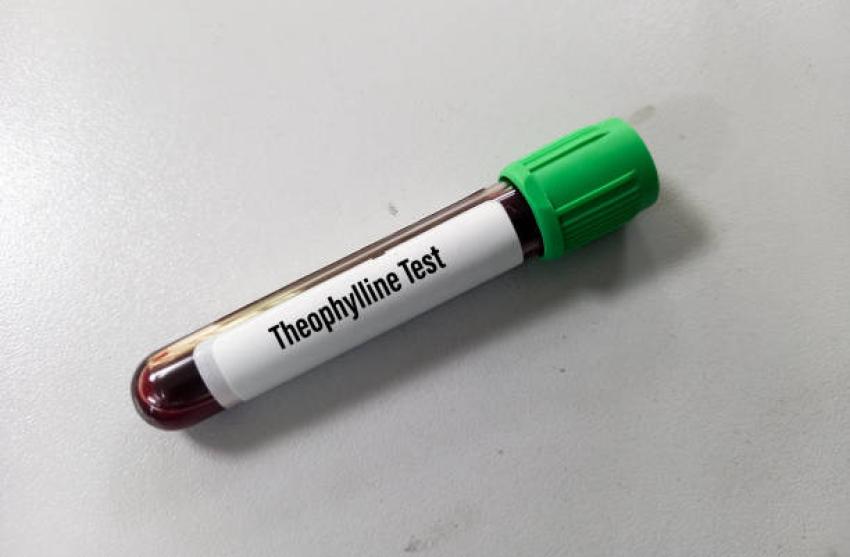
Here's where it stops being guesswork. A simple blood test measures your total testosterone level, usually in the morning when levels are at their peak. Normal ranges for adult men typically fall somewhere between 300 and 1,000 nanograms per deciliter. Below 300 is generally considered low, though some men feel symptoms at levels higher than that.
Getting tested is easy. The harder part is finding a provider who actually takes your symptoms seriously and doesn't just tell you it's normal aging. If you're in the area, Testosterone Therapy Bradenton FL is something local clinics specialize in, and getting a panel done takes maybe 15 minutes. ConciergeMedicalClinic.com. is one option men in the Bradenton area use for this kind of men's health work. Worth a call if you're seeing several of these signs at once.
And if your levels do come back low, Testostrum replacement theropy is one of the more well-studied treatment paths available. It's not a magic fix, and it's not right for everyone, but for men with confirmed low testosterone, it can genuinely shift the picture in terms of energy, mood, and physical health.
Frequently Asked Questions
What is considered a low testosterone level?
Most labs flag anything below 300 nanograms per deciliter as low. That said, some men feel real symptoms at 350 or even 400. The number matters, but so does how you feel. A good doctor will look at both together rather than just the number on its own.
Can low testosterone affect my mental health?
Yes, and more than most people realize. Low levels are connected to depression, irritability, and trouble concentrating. Some men get diagnosed with depression and spend years on antidepressants before anyone thinks to check their hormones. It's not always the cause, but it's worth ruling out.
How do I get tested for low testosterone?
Ask your doctor for a blood panel that includes total testosterone. It's usually drawn in the morning since levels are highest then. The test itself is quick, and results typically come back within a day or two. If your doctor brushes off your concerns, find one who specializes in men's health.
Are there natural ways to raise testosterone?
Some lifestyle changes do help. Strength training, better sleep, losing excess body fat, and cutting back on alcohol can all nudge levels up a bit. But if your levels are clinically low, lifestyle alone usually isn't enough to close the gap. That's when treatment becomes worth discussing seriously.
Is testosterone replacement safe?
For most healthy adult men with confirmed low levels, it's generally considered safe when managed by a knowledgeable provider. There are risks involved, like any medical treatment, and it's not appropriate for men trying to conceive or those with certain health conditions. A proper evaluation before starting is non-negotiable.
The bottom line is pretty simple. If you've been feeling off for a while and can't explain it, don't just assume it's age or stress. Get the blood test. It takes almost no time, and the information you get back is actually useful. Most men who finally get tested wish they'd done it sooner.