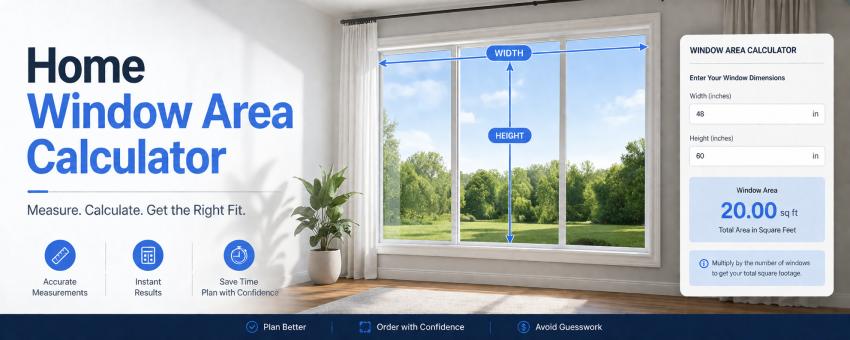
Measuring windows may look simple, but many people make small mistakes that can cause big problems later. If the size is wrong, you may order the wrong amount of material or pay more than needed. This is very common when planning window tinting, glass replacement, or home upgrades. Many homeowners want an easy way to measure windows correctly without doing complex math.
That is why many people now use a Window Area Calculator to make the process quick and simple. This tool helps you find the exact size of your window so you can plan your project with confidence.
In this guide, you will learn how to use this tool step by step in a clear and easy way.
What Is a Window Area Calculator?
A window area calculator is a simple online tool that helps you measure the size of a window. You only need to enter the width and height of the glass, and the tool will give you the total area in square feet.
Many homeowners and businesses use a Window Area Calculator because it saves time and reduces mistakes. It is useful for window tinting, blinds, curtains, and energy-saving upgrades.
Why Window Measurement Matters
Accurate Cost Estimation
Window tinting and other services are often priced based on the size of the glass. If your measurement is wrong, your cost estimate will also be wrong.
Better Planning
When you know the correct window size, you can plan your materials and budget more easily.
Less Waste
Accurate measurements help you avoid buying too much or too little material.
Step-by-Step Guide to Using a Window Area Calculator
Step 1: Gather the Right Tools
Start by getting a measuring tape, a notepad, and a pen. You can also use your phone to enter values directly into the calculator.
Step 2: Measure the Width
Measure the width of the window from one side of the glass to the other. Make sure you measure only the glass area, not the frame. Write the number clearly.
Step 3: Measure the Height
Next, measure the height from the top to the bottom of the glass. Again, focus only on the glass surface. Write this number down as well.
Step 4: Enter the Measurements
Open your Window Area Calculator and enter the width and height values. Make sure you use the same unit, such as inches or feet.
Step 5: Get the Total Area
The calculator will quickly show the total window area. This result helps you understand how much material you need for your project.
Step 6: Repeat for All Windows
If you have more than one window, repeat the same steps for each one. Add the total areas together for a complete estimate.
Example of a Simple Calculation
Let’s say your window is 4 feet wide and 5 feet tall. You enter these numbers into the calculator. The total area will be 20 square feet.
This simple result helps you plan your project better and avoid mistakes.
Common Mistakes to Avoid
Measuring the Frame Instead of Glass
Many people measure the full window frame instead of just the glass. This can give wrong results.
Using Different Units
Always use the same unit for both width and height. Mixing inches and feet can cause errors.
Rounding Numbers Too Early
Avoid rounding your measurements before entering them into the calculator. Use exact values for better accuracy.
Skipping Double Checks
Always measure twice to make sure your numbers are correct.
Benefits of Using a Window Area Calculator
Saves Time
You do not need to do manual calculations. The tool gives results instantly.
Reduces Errors
The calculator helps avoid common math mistakes.
Easy to Use
Even beginners can use this tool without any special knowledge.
Helps with Budget Planning
Accurate measurements help you estimate costs more clearly.
Where You Can Use a Window Area Calculator
Window Tinting Projects
If you are planning to install window film, you need to know the exact size of the glass.
Curtain and Blind Installation
Correct measurements help you choose the right size for curtains and blinds.
Glass Replacement
When replacing glass, accurate measurements are very important.
Energy Efficiency Upgrades
If you are improving your home’s energy efficiency, knowing window size helps you choose the right solutions.
Tips for Better Accuracy
Measure More Than Once
Take at least two measurements to confirm accuracy.
Use a Good Measuring Tape
A strong and clear measuring tape helps avoid mistakes.
Measure Each Window Separately
Even if windows look the same, their sizes may be slightly different.
Record All Values Clearly
Write down your measurements in an organized way.
Why Professionals Still Matter
A calculator is a great tool, but professional advice is still important. Experts understand how window size, film type, and installation methods work together.
They can guide you in choosing the best solution for your home. They also ensure proper installation for long-lasting results.
How This Helps with Window Tinting
Window tinting is one of the most common uses of window measurement. The size of the window affects how much film is needed and how much it will cost.
Using a Window Area Calculator helps you get a better estimate before starting the project. This makes the process smooth and stress-free.
Conclusion
Using a Window Area Calculator is one of the easiest ways to measure your windows correctly. It saves time, reduces mistakes, and helps you plan your project better. Whether you are installing window tint, replacing glass, or adding blinds, accurate measurements are very important.
If you want the best results for your window projects, you can trust experts like Green house Solar Control to guide you and provide professional service. With the right tools and expert help, you can complete your project with confidence and ease.