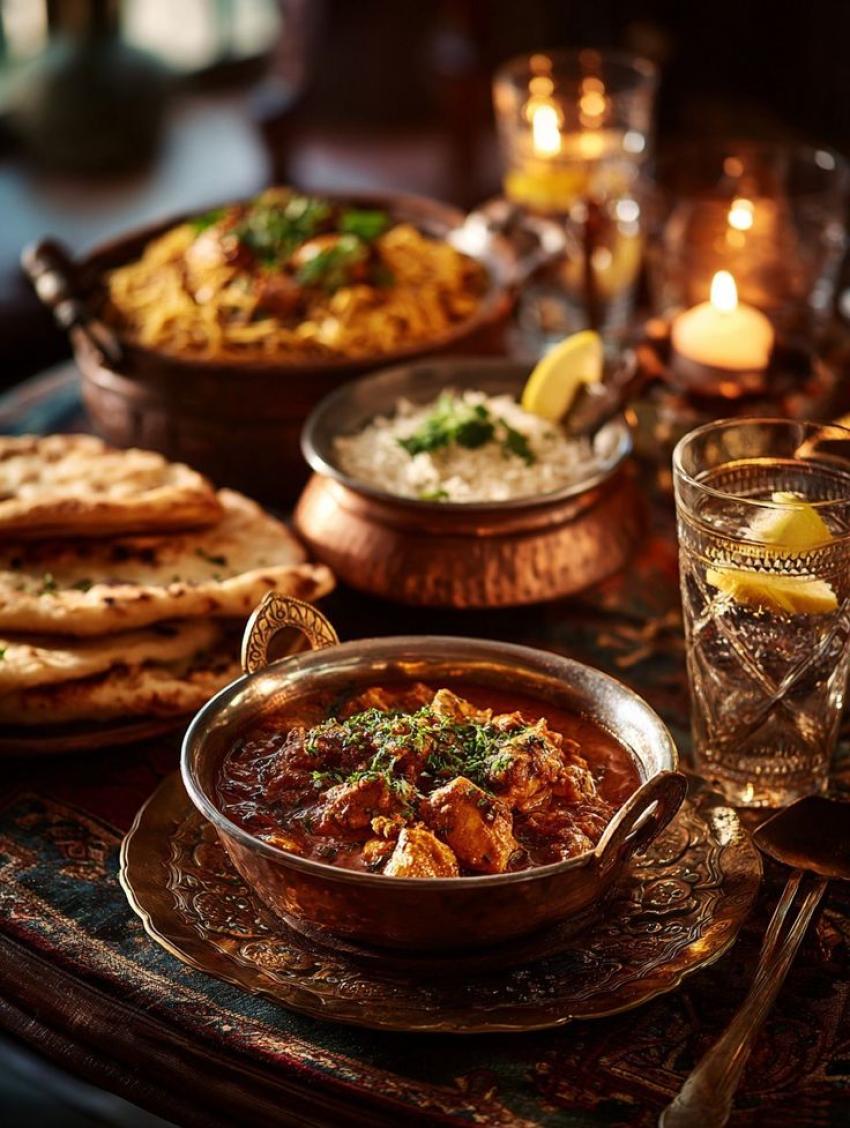
You walk into this real Indian restaurant and order your favourite curry, it tastes incredible, like layers of flavour sort of unfolding, with a small touch of nostalgia and also this thing you honestly just can’t copy at home.
Ever wonder why? The secret is not in fancy equipment or expensive ingredients. It is in something far more precious: recipes that have been passed down through generations by word of mouth, never written on paper.
In Indian homes cooking is not only about just following instructions. It’s more like a living tradition, carried in memory and somehow shared through observation, not through documentation or anything that formal.
Why Recipes Are Never Written
Indian home cooking leans on instinct, not only recipes. The cook usually learns by looking closely, sniffing it, and then tasting. It's the same dish, but it can come out different in each household because every cook adds their own small signature, a little touch. That’s why Indian food feels so varied and personal, almost like it has a living mood.
When a family fails to document these recipes, "we lose a precious part of our culture." This cultural loss is especially painful when dementia or distance takes away the family matriarch who held all the culinary knowledge.
The Wisdom in Traditional Techniques
Beyond the recipes themselves, Indian cooking keeps old wisdom in a way that's almost passed down by touch. Tribal kitchens across India still use techniques that modern chefs are slowly refinding, and it feels like there is this quiet reasoning in it.
Fermentation: Soybeans become pungent axone in Nagaland. Rice soaks overnight into cooling pakhala bhat in Odisha. These are not just flavours but survival strategies stretching harvests and keeping bodies cool in summer.
Cooking in leaves: Banana, turmeric, and sal leaves are used as natural cooking tools. Food is wrapped and steamed or roasted, picking up subtle flavours from the leaf itself. No steel pressure cooker can offer that taste.
Traditional salts: Long before refined crystals, salt was dug from earth, blackened by minerals, or reddened with iron. Each variety carried the geography it came from.
What Happens When Recipes Are Lost
When a cook passes away without sharing what they know, a whole cooking inheritance disappears. This has happened countless times in Indian homes. The foods of Rampur, once well known for a royal household kitchen, have been falling into obscurity. Many recipes and even certain ingredients are still written only in older Persian manuscripts, left behind and forgotten by today’s cooks.
Finding Authenticity Today
How can you experience this authentic culinary tradition?
Visit an authentic Indian restaurant that honours regional specialities beyond butter chicken and naan. Try to find spots that serve dishes like Rampuri pulao, Maharashtrian misal pav or Bengali fish curries. Also look around for an actual Indian restaurant that celebrates India’s wide culinary heritage.
The magic of real Indian food lives in its oral tradition. Every family has their own secret dal, their own special masala blend, and also a particular way of rolling roti that no cookbook can ever fully hold. That is why the very same dish can taste different from one home to the next and also why an authentic Indian restaurant that keeps these traditions alive gives you something genuinely special.