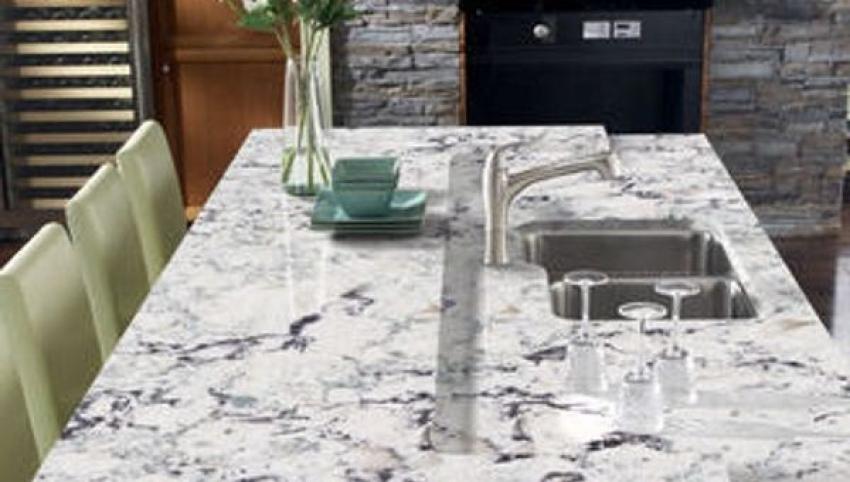
A quartz countertop renovation can change the way a kitchen looks, feels, and works. When I plan this type of project, I focus on more than the countertop color. I also consider the room layout, cabinet style, lighting, storage needs, and the homeowner’s daily routine.
However, price plays an important role in every renovation. The cost of Quartz countertops can change based on the countertop area, slab grade, edge style, cutouts, labor, and installation needs. Therefore, I always recommend creating a full project budget instead of looking only at the slab price.
In Milwaukee, many kitchens have older layouts, traditional cabinets, or limited preparation space. Fortunately, quartz works well in both older homes and newer properties. It offers a clean appearance, many design choices, and simple daily care. As a result, it can support a small surface update or a complete kitchen renovation.
Key Takeaways
- Quartz usually costs between $50 and $150 per square foot installed, although premium projects may cost more.
- Simple edges, standard colors, and fewer custom features can help control the renovation budget.
- A successful renovation should balance appearance, function, durability, and long-term maintenance.
Why I Consider Quartz for Kitchen Renovations
When I compare countertop materials, quartz stands out because it combines style with practical performance. Manufacturers make quartz surfaces from natural quartz minerals, resins, and pigments. Therefore, the finished slabs offer steady colors and controlled patterns.
Natural stone can have large differences between slabs. However, quartz gives me more control over the final appearance. For example, I can choose a soft white surface with light veins, a deep gray countertop, or a bold marble-style design.
In addition, quartz does not need regular sealing. This feature makes it helpful for homeowners who want an easier cleaning routine. Water, coffee, cooking oils, and common spills usually stay on the surface instead of quickly soaking into it.
Still, quartz is not heatproof. Therefore, I always recommend using trivets or heat-resistant pads under hot pans. Although the material handles normal daily use well, direct heat can harm the resin inside the surface.
Quartz also works with many cabinet styles. For instance, it can brighten dark wood cabinets, soften bold painted cabinets, or support a simple white kitchen. Because of this flexibility, I can use it in traditional, transitional, farmhouse, and modern spaces.
Quartz Countertop Renovation Ideas for Milwaukee Homes
A countertop replacement does not need to follow one standard design. Instead, I can adjust the project around the size, age, and layout of the home.
Pair White Quartz With Dark Cabinets
White quartz can make a kitchen feel brighter and more open. Therefore, I often pair it with navy, charcoal, dark green, or stained wood cabinets.
This contrast creates a strong focal point without making the room feel too busy. Moreover, white quartz reflects both natural and artificial light. That benefit can help kitchens with small windows or limited daylight.
However, I avoid choosing a pure white slab without comparing it to the cabinets. Some white surfaces have warm undertones, while others look cooler. Therefore, I always view samples inside the actual room.
Add Soft Veining for a Marble-Like Look
Many homeowners enjoy the look of marble but worry about stains and ongoing care. In that case, marble-style quartz offers a practical option.
These slabs may include thin gray veins, wide gold movement, or bold dark patterns. As a result, they can create a high-end look while keeping the maintenance routine simple.
However, bold veining needs careful placement. A poorly placed seam may interrupt the pattern. Therefore, I discuss slab layout and seam location with the fabricator before cutting begins.
Use Quartz on a Kitchen Island
A quartz island can become the main feature of the kitchen. For example, I may use a patterned slab on the island and a quieter surface along the wall cabinets.
This approach adds contrast without making the full room look crowded. In addition, an island can provide more preparation space, seating, storage, and room for serving meals.
Still, a large island may require a jumbo slab or more than one piece. Therefore, the island size can affect material use, seam placement, delivery, and labor costs.
Choose a Waterfall Edge
A waterfall design carries the quartz down one or both sides of an island. Because the surface continues toward the floor, the island gains a bold and finished appearance.
This design works especially well in open kitchens. Moreover, it can protect the side of the island from shoes, spills, and daily contact.
However, a waterfall edge needs more quartz and precise vein matching. As a result, it usually costs more than a standard island with finished cabinet panels.
Continue Quartz Up the Backsplash
A full-height quartz backsplash can create a smooth and connected design. Instead of ending the quartz at the countertop, I can continue it up the wall behind the range or sink.
This choice removes many grout lines. Therefore, cleaning can become easier than with small tile pieces. It can also make a compact kitchen feel less divided.
On the other hand, a full-height backsplash requires more material and careful measurements. Consequently, it can raise both fabrication and installation costs.
Mix Quartz With a Tile Backsplash
Not every renovation needs a matching quartz backsplash. In fact, tile can add texture, color, and character at a lower material cost.
For example, I may pair simple white quartz with green subway tile, handmade-look ceramic tile, or a quiet stone pattern. This combination keeps the countertop easy to match while allowing the backsplash to carry more personality.
However, I keep the overall design balanced. When the quartz has bold veins, I usually choose a quieter tile. Meanwhile, a plain countertop can support a more detailed backsplash.
Add a Small Coffee or Serving Area
A full kitchen remodel may not fit every budget. Still, a small quartz counter can add useful space.
For example, I can place quartz on a coffee bar, pantry counter, dining-room cabinet, or beverage station. A remnant slab may work well for this type of project because the area does not need a full slab.
Therefore, smaller upgrades can provide both function and style without the cost of replacing every kitchen surface.
How Much Do Quartz Countertops Cost?
For many standard projects, installed quartz countertops may cost about $50 to $150 per square foot. However, premium materials and detailed custom work may push the price to $150 to $200 or more per square foot.
A complete kitchen project may cost around $2,500 to $7,500 or more. Still, the final total depends on the amount of countertop space and the details of the renovation.
For example, a small kitchen with 30 square feet of countertop needs less material than a large kitchen with 70 square feet. However, a small project can still become expensive when it includes premium quartz, several cutouts, difficult corners, or complex edge work.
I use the following basic formula when creating an early budget:
Countertop area × installed price per square foot = estimated starting cost
For instance, a 45-square-foot project at $80 per square foot would start near $3,600. However, that estimate may not include demolition, plumbing, electrical work, backsplash installation, or cabinet repairs.
Therefore, I treat the square-foot price as a starting point rather than a complete quote.
What Affects the Final Quartz Renovation Cost?
Several choices can raise or lower the total price. Consequently, I review each one before approving the final design.
Quartz Grade and Pattern
Standard quartz colors often cost less than premium designs. For example, simple white, beige, black, or lightly speckled surfaces may fall near the lower end of the price range.
In contrast, marble-look slabs with large veins often cost more. Rare colors, detailed patterns, textured finishes, and premium collections may also raise the slab price.
Therefore, I compare several options that offer a similar look at different price levels.
Countertop Size
A larger kitchen needs more quartz, more cutting, and more installation labor. As a result, countertop area remains one of the biggest cost factors.
However, slab use also matters. An awkward layout may create more waste, even when the finished countertop area seems small. Therefore, an experienced fabricator should plan the cuts carefully.
Slab Thickness
Quartz commonly comes in 2-centimeter and 3-centimeter thicknesses. A thicker slab creates a heavier and more solid appearance.
However, thicker material may cost more and require extra handling. Meanwhile, thinner material may need added support, depending on the cabinet design and edge treatment.
Edge Style
A basic eased or straight edge often costs less than a detailed edge. Therefore, it works well for homeowners who want a clean design and a controlled budget.
However, ogee, bullnose, stacked, or custom edges require more fabrication work. Consequently, they may add labor and finishing costs.
Sink and Cooktop Cutouts
Every sink, faucet, cooktop, or outlet opening requires accurate cutting. Therefore, a kitchen with several cutouts usually costs more than a simple countertop run.
An undermount sink may also need polishing around the opening. In addition, plumbing disconnection and reconnection may create separate charges.
Old Countertop Removal
Removing the existing countertop can add several hundred dollars to the project. The exact price depends on the material, weight, layout, and disposal needs.
For example, laminate may come out more easily than thick stone. However, removal can reveal cabinet damage or uneven support. Therefore, I keep a small repair allowance in the budget.
Backsplash Work
A short quartz backsplash may add a modest amount of material. In contrast, a full-height backsplash needs much more quartz and additional fabrication.
Tile installation also carries labor and material costs. Therefore, I compare the complete price of each backsplash option instead of looking at material prices alone.
Access and Installation Difficulty
Delivery becomes harder when installers must use narrow hallways, small elevators, steep stairs, or tight doorways. Large quartz pieces are heavy and need careful handling.
As a result, difficult access may increase labor costs. In some cases, the fabricator may need to divide a large counter into extra pieces, which can also affect seam placement.
How I Plan a Realistic Renovation Budget
First, I measure the countertop area. Although final measurements should come from a professional template, early measurements help me create a starting range.
Next, I choose a quartz price level. I usually compare one standard option, one mid-range option, and one premium option. Therefore, I can see how the slab choice changes the total.
After that, I list every possible add-on. This list may include:
- Old countertop removal
- Sink and cooktop cutouts
- Plumbing work
- Backsplash installation
- New sink or faucet
- Cabinet repairs
- Delivery charges
- Custom edge work
I also keep an extra 10% to 15% for unexpected needs. For example, installers may find weak cabinet support, plumbing problems, or wall damage after removing the old surface.
When comparing local options, I may review design choices and project requirements with an experienced company such as Badger Granite. However, I still request a written estimate that clearly explains the material, fabrication, installation, cutouts, removal, and additional work.
Ways to Control Quartz Countertop Costs
A smaller budget does not mean I must accept a poor design. Instead, I focus on choices that offer strong value.
Select an In-Stock Color
In-stock quartz often costs less than special-order material. Moreover, it may shorten the project schedule because the slab is already available.
Neutral colors also work with many cabinet and flooring styles. Therefore, they can remain useful even if the homeowner updates other parts of the kitchen later.
Ask About Remnant Pieces
Remnants are leftover slab sections from larger projects. They may work well for bathroom vanities, laundry rooms, coffee bars, or small kitchen areas.
However, a remnant must fit the project dimensions and design needs. Therefore, I check the exact size before making a final choice.
Keep the Existing Layout
Moving sinks, cooktops, and plumbing lines can raise renovation costs quickly. Therefore, keeping the main layout often saves money.
A new countertop, sink, faucet, backsplash, and cabinet hardware can still make the kitchen feel very different. As a result, I can create a strong update without changing every system.
Choose a Simple Edge
An eased edge gives the countertop a clean and finished look. Moreover, it works with modern and traditional kitchens.
Because it requires less detailed fabrication, it often costs less than a decorative edge. Therefore, it is one of the easiest ways to protect the budget.
Limit Waterfall Panels
A waterfall island looks impressive. However, it needs extra quartz and more detailed fabrication.
Therefore, I may use the waterfall feature on only one visible side. This choice keeps the design effect while reducing material use.
Compare Complete Estimates
The lowest square-foot price may not create the lowest final bill. For example, one estimate may include templating and installation, while another may charge separately for cutouts and delivery.
Therefore, I compare the full project scope line by line. I also check whether the estimate includes removal, disposal, seam work, edge finishing, and final cleanup.
Choosing a Quartz Color That Fits the Kitchen
I begin with the cabinets because they cover a large part of the room. Warm wood cabinets often pair well with cream, beige, or warm white quartz. Meanwhile, white or gray cabinets can support both quiet and bold patterns.
Next, I consider the flooring. A countertop does not need to match the floor exactly. However, both surfaces should share compatible warm or cool tones.
Lighting also changes the way quartz looks. For example, a slab may appear bright white in a showroom but look gray or blue inside the kitchen. Therefore, I bring samples home and view them during the day and evening.
Finally, I consider the room size. Bold patterns can add movement to a large kitchen. However, they may make a small room feel busy. In that case, a softer pattern can create a calmer and more open appearance.
What Happens During Quartz Countertop Installation?
The process usually begins with a consultation and early measurements. At this stage, I discuss the preferred color, edge, sink, backsplash, and budget.
Next, the fabricator creates a precise template after the cabinets are secure and level. This step matters because quartz needs an exact fit.
The slab then moves to the fabrication shop. There, the team cuts the pieces, creates openings, shapes the edges, and prepares the seams.
After fabrication, installers remove the existing countertops when removal forms part of the project. They then place the quartz sections, join the seams, secure the surface, and install the sink when included.
Finally, the team checks the fit, cleans the area, and explains basic care. However, plumbing or electrical work may happen separately, depending on the contractor and project agreement.
Quartz Care After the Renovation
Quartz needs simple daily care. I usually clean it with warm water, mild dish soap, and a soft cloth.
However, I avoid harsh chemicals, strong bleach products, and rough scrubbing pads. These products may damage the finish or leave the surface looking dull.
I also clean spills quickly. Although quartz resists stains, pigments from coffee, wine, sauces, and food coloring should not remain on the surface for long periods.
Most importantly, I protect the countertop from direct heat. Therefore, I place hot cookware on a trivet instead of setting it on the quartz.
I also use cutting boards. Quartz resists many scratches, but sharp tools can still harm the surface and damage knife blades.
Final Thoughts
A quartz countertop renovation can add beauty, work space, and easier maintenance to a kitchen. However, the best project starts with a clear plan rather than a color choice alone.
In Milwaukee, I consider the home’s layout, cabinet condition, lighting, access, and daily needs before selecting a slab. Therefore, the finished design supports both the house and the people who use it.
I also review the complete project cost. Material, fabrication, cutouts, removal, plumbing, backsplash work, and installation can all affect the final amount. As a result, a detailed written estimate provides more value than a simple square-foot price.
With careful planning, quartz can suit many renovation budgets. A standard color and simple edge can create an affordable update, while bold veining, waterfall panels, and matching backsplashes can support a more luxurious design. Ultimately, I choose the features that add real value to the kitchen instead of paying for details that do not support the homeowner’s needs.