You spent thousands getting your house painted and it looked perfect. Six months later, you're staring at bubbling paint and peeling sections that make your home look worse than before you started. Here's what actually went wrong — and it's probably not what the painter told you.
Most mainland painting techniques don't account for Hawaii's brutal combination of salt air, intense UV exposure, and constant humidity. When you need a Full House Painting Service Village, HI, understanding these climate factors means the difference between paint that lasts a decade and paint that fails in months. This isn't about paint quality — it's about prep work specific to tropical conditions.
The Humidity Trap Most Painters Miss
Hawaii's humidity sits above 60% most of the year. That moisture doesn't just sit on your walls — it gets trapped under fresh paint if the surface isn't properly dried and sealed. When you see paint bubbling, that's moisture trying to escape from behind the paint film.
Professional Full House Painting Service teams know to check moisture levels before painting. They'll use meters to confirm wood siding is below 15% moisture content. They'll wait days after rain instead of hours. And they'll apply primer designed to seal porous surfaces against moisture intrusion.
DIY painters and cheap contractors skip this step. They paint over slightly damp surfaces because it looks dry to the eye. Three months later when the trapped moisture expands in the heat, the paint separates from the substrate. That's not paint failure — that's improper surface prep for tropical conditions.
Salt Air Eats Through Standard Primers
If you live within three miles of the ocean in Waikoloa Village, salt particles are constantly landing on your exterior surfaces. Standard latex primer doesn't create a barrier against salt penetration. Salt attracts moisture, and moisture causes the paint adhesion to fail.
Quality Custom Painting Services Waikoloa Village HI use alkyd or oil-based primers on exterior surfaces near the coast. These create an actual moisture barrier that latex can't match. The upcharge for better primer is maybe $200 on a full house job — but it's the difference between five-year paint and fifteen-year paint.
When you get quotes, ask specifically what primer they're using and why. If they say "standard exterior primer" without mentioning salt air resistance, they're not accounting for Hawaii's conditions. You'll pay for that oversight when you're repainting in three years.
Questions Every Full House Painting Service Should Answer Before Starting
Here's what separates contractors who understand Hawaiian painting from those who don't. Ask these questions before signing anything.
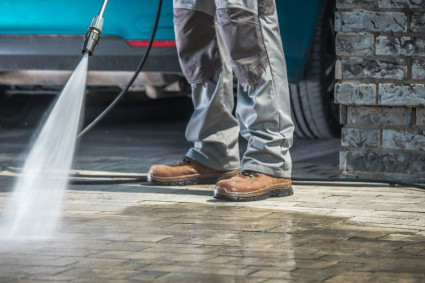
How long do you wait after pressure washing before painting? The answer should be "at least 48 hours, longer if humidity is high." If they say "24 hours" or "as soon as it's dry," they're going to trap moisture under the paint.
What surface temperature do you paint in? Quality Full House Painting Service contractors won't paint surfaces above 85°F. At higher temps, paint dries too fast and doesn't bond properly. In Hawaii's afternoon heat, that often means morning-only painting schedules.
How many coats of primer do you apply on bare wood? The correct answer is two coats minimum. One coat doesn't seal porous wood sufficiently in humid climates. This doubles primer cost but prevents early paint failure.
Why Premium Paint Isn't Enough
You can buy the most expensive paint at the store and still end up with peeling within a year if the prep work is wrong. Paint manufacturers design their products assuming proper surface preparation. In Hawaii, that preparation standard is higher than mainland requirements.
The Local Painting Service near me that quoted you half the price of competitors is probably cutting prep time. They'll pressure wash, wait a day, prime once, and paint twice. That works in Arizona. It fails in Hawaii.
Proper Hawaiian prep means: pressure wash, wait 2-3 days, scrape loose material, sand smooth, apply wood filler where needed, prime twice, wait for full cure between coats, then apply two finish coats. This process takes three times longer than mainland shortcuts — which is why proper Hawaiian painting costs more.
The Mildew Problem That Comes Back
See those dark streaks on your exterior walls? That's mildew, and it grows under paint if the surface isn't treated before painting. Pressure washing removes surface mildew but doesn't kill the spores embedded in the wood.
Professional painters in Hawaii apply mildew-killing solution after pressure washing and before priming. This costs maybe $150 in materials for an entire house but prevents the mildew from growing back under your new paint job. Skip this step and you'll see those dark streaks returning within six months.
Mark Dunlap Painting LLC and similar experienced contractors include anti-mildew treatment as standard in their prep process. If your quote doesn't mention mildew treatment specifically, you're probably not getting it.
Cabinet Paint Failures Happen for Different Reasons
Kitchen cabinets peel in Hawaii for completely different reasons than exterior paint. Cabinet wood expands and contracts with humidity changes, and most cabinet paint isn't flexible enough to handle that movement.
Quality Cabinet Painting Service near me operations use specialized cabinet primers and paints with built-in flexibility. These products cost three times more than standard trim paint but they move with the wood instead of cracking. They also cure harder, which matters when cabinet doors get opened twenty times a day.
If someone quotes you cabinet painting at the same per-square-foot rate as walls, they're using wall paint on cabinets. That paint will chip at the edges within months because it's not designed for high-contact surfaces that move.
When to Walk Away From a Quote
Three red flags mean a painter doesn't understand Hawaiian conditions and you should find someone else.
First: they quote the job after a five-minute walk-around without checking moisture levels or asking about previous paint failures. Proper estimates require surface inspection, not just measuring square footage.
Second: they don't mention primer brand or type in their written quote. Primer selection matters more in Hawaii than almost anywhere else, and good contractors specify exactly what they're using.
Third: their timeline is suspiciously fast. A 2,000 square foot house exterior done properly takes a week minimum in Hawaii — two days prep, one day primer, wait day, two days finish coats. Anyone promising three-day turnaround is cutting corners somewhere.
Hawaii's climate demands painting techniques most contractors never learned in other states. When you're looking for Full House Painting Service Village, HI, the difference between cheap work and proper work becomes visible within months. Ask the right questions, verify the prep process, and don't let timeline pressure force you into hiring contractors who'll give you paint that fails in the first rain season.
Frequently Asked Questions
How long should exterior paint last in Hawaii?
With proper prep and quality materials, exterior paint should last 7-10 years on most surfaces in Hawaii. If you're repainting every 3-4 years, the prep work or paint selection was wrong for tropical conditions. Coastal properties closer to salt spray may need repainting every 5-7 years even with proper technique.
Is it worth paying more for premium paint brands?
Premium paint matters, but proper surface prep matters more. A $60/gallon paint applied over improper prep will fail just as fast as cheap paint. But once prep is correct, premium paints with UV and mildew resistance do perform noticeably better in Hawaii's climate. The upgrade cost is usually worth it.
Can I paint my house exterior during rainy season?
Technically yes, but it requires careful weather monitoring and willingness to stop work when humidity spikes or rain approaches. Most professional painters in Hawaii prefer painting during dry season (May-September) to avoid weather delays and moisture issues. Rainy season painting takes twice as long due to weather interruptions.
Why does my paint peel only on certain walls?
Directional peeling usually indicates moisture problems specific to those walls — either from interior humidity escaping through exterior walls, or from one side of the house getting more rain exposure. South and west-facing walls in Hawaii also get more UV damage. Different sides of your house may need different prep approaches.
Should I repaint or replace wood siding that keeps peeling?
If the wood itself is soft or rotted when you press on it, painting won't fix the problem — you need replacement boards first. But if wood is structurally sound and peeling is only in the paint layer, proper prep and paint will work. Have a contractor check for wood rot before deciding. Sometimes replacing a few bad boards and properly painting the rest costs less than full siding replacement.