You've been scrubbing three times a week with that $30 coffee scrub from Sephora, and your skin still feels like sandpaper. Your arms hurt from the effort, your shower's a mess, and honestly? You're starting to think smooth skin just isn't in the cards for you. Here's the thing — it's not your fault, and you're not doing it wrong. Store-bought scrubs only work on surface dead skin, and that's not where your problem lives.
Most people with persistently rough skin are dealing with buildup that sits deeper than drugstore scrubs can reach. You're working hard on the wrong layer. If you've been wondering whether professional Body Scrub Services Bedford, TX might actually make a difference, the answer comes down to what's happening under that top layer of skin — and why your bathroom cabinet full of expensive scrubs keeps missing it.
The Real Reason Store Scrubs Don't Touch Deep Buildup
That grainy paste you're massaging into your skin? It's designed to polish away loose dead cells that are already on their way out. Think of it like sweeping a floor — you're clearing surface dust, but you're not scrubbing grout or pulling up embedded dirt. Your rough skin isn't caused by loose flakes. It's caused by compacted dead cells, sebum, and keratin that have fused together over weeks or months.
Drugstore scrubs use physical particles (sugar, salt, coffee grounds, crushed nuts) that work through friction. They're pretty good at what they do — removing that outermost layer. But they can't penetrate into pores or break down the protein bonds holding dead cells together in deeper layers. You're essentially buffing the same surface over and over while the actual problem sits untouched underneath.
Why Scrubbing Harder Actually Makes It Worse
When your skin stays rough despite all that scrubbing, the natural reaction is to scrub harder or more often. Bad move. Your skin interprets aggressive friction as an attack and responds by thickening its outer layer and producing more oil to protect itself. You've just triggered the exact defense response that creates more buildup.
This is why people get stuck in a cycle — rough skin leads to harder scrubbing, which leads to inflammation, which leads to more dead cell buildup as skin tries to heal itself, which leads to even rougher texture. Breaking this cycle requires understanding that more pressure doesn't equal more results. Sometimes it means doing less, not more.
What Professional Body Scrub Services Actually Remove
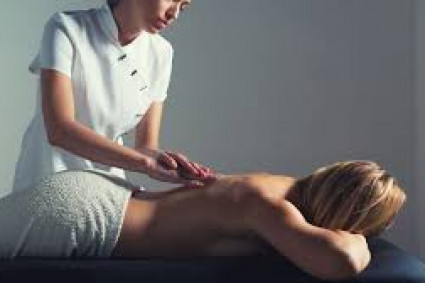
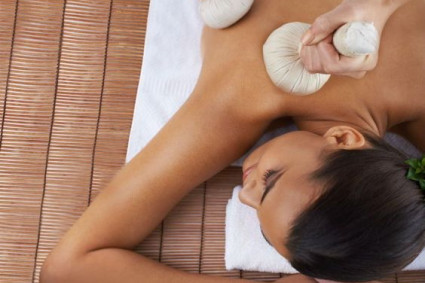
Professional treatments work differently because they combine mechanical exfoliation with chemical or enzymatic action. That means they're not just scraping at the surface — they're actually dissolving the bonds that hold dead cells together in those deeper layers. The scrub component is gentler because it doesn't have to do all the work alone.
Estheticians also adjust technique based on what your skin actually needs. Rough patches on your arms need different handling than rough skin on your back or legs. They're reading your skin's thickness, sensitivity, and buildup pattern in real-time and adjusting pressure and product accordingly. You can't do that for yourself in a shower.
Plus, professional products contain active ingredients at concentrations you can't buy over-the-counter. AHAs, BHAs, and enzymes at professional strength actually break down keratin plugs and dissolve the "glue" holding dead cells together. Then the mechanical scrub component sweeps away what's been loosened, not what's still stuck.
The Spa Treatment That Addresses Rough Skin From Multiple Angles
Here's something most people don't realize — your rough skin problem might be connected to other issues that a single treatment type can't fix. If you're dealing with bumpy arms, a rough back, and dry patches all at once, you're probably dealing with multiple causes: keratosis pilaris, clogged pores, and moisture barrier damage.
That's why many people see better results when they combine treatments. donEvita has noticed clients who add Head Spa Services Bedford TX alongside body treatments often report faster improvement. Scalp treatments include lymphatic massage and hydration that benefits skin texture everywhere — your body's systems are connected.
When Home Exfoliation Works (And When It Doesn't)
Look, home exfoliation isn't useless. Once you've had a professional treatment that clears out that deep buildup, maintaining results with a weekly scrub works fine. You're just keeping things clear, not trying to excavate compacted layers. That's the difference.
But if you're starting from scratch with months or years of buildup, you're fighting an uphill battle with tools that weren't designed for the job. It's like trying to remove wallpaper with a sponge — technically possible, but you'll be there forever and probably damage the wall in the process. Sometimes you need the right tool for the situation you're actually in, not the situation you wish you were in.
Chemical exfoliants (like glycolic acid lotions or salicylic acid body washes) help more than physical scrubs for ongoing maintenance because they work on that deeper layer continuously. But even those take weeks to show results when you're starting with significant buildup. And they can be tricky to use correctly without irritation.
The Texture Issues Scrubs Can't Fix At All
Not all rough skin is fixable with exfoliation, period. Keratosis pilaris (those permanent-feeling bumps on upper arms and thighs) is partly genetic and requires a different approach — usually a combination of keratolytic lotions and regular professional treatments, not aggressive scrubbing. Eczema patches need moisture and barrier repair, not more scrubbing.
If your rough skin is accompanied by redness, itching, or gets worse after you exfoliate, that's your skin telling you the problem isn't dead cell buildup. Many people waste money on Body Exfoliation near me options when what they actually need is a consultation with a dermatologist about inflammatory skin conditions.
Ingrown hairs that create bumpy texture need consistent exfoliation plus proper hair removal technique. Just scrubbing won't fix them if you're still shaving against the grain or using dull razors. The scrub addresses the symptom but not the cause.
What Actually Works When You've Tried Everything
The people who see dramatic improvements are usually the ones who commit to a professional treatment series — typically 3-4 sessions spaced two weeks apart. That first treatment breaks up the deep buildup. The second treatment catches what your skin sheds after the first session. By the third treatment, you're working on actual skin texture improvement instead of just clearing old buildup.
Between professional sessions, you're maintaining with the right home products (usually chemical exfoliants, not scrubs) and staying consistent with hydration. This is the protocol that actually works, but it requires accepting that your rough skin didn't develop overnight and won't disappear overnight either.
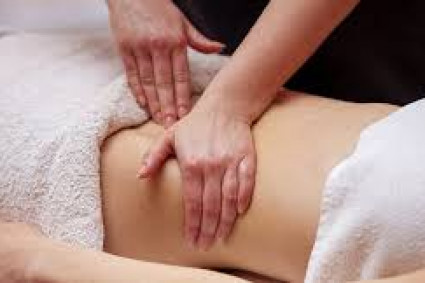
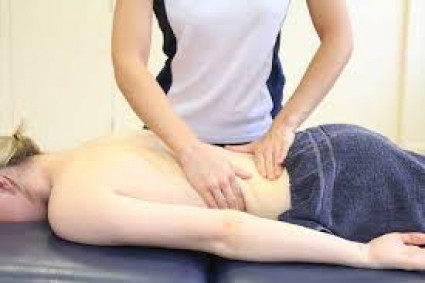
Some people find that massage helps more than expected. Improving circulation to the skin brings fresh nutrients and helps cell turnover happen naturally. A Massage Spa near me treatment that includes dry brushing or lymphatic work can complement exfoliation treatments by improving overall skin health from the inside.
Look, nobody wants to hear that their bathroom cabinet full of scrubs was a waste of money. But once you understand why they weren't working, it's easier to commit to what actually does work. If you're still dealing with rough, bumpy skin after months of home treatment, it's probably time to try Body Scrub Services Bedford, TX that can reach the layers causing your actual problem — not just the surface layer that's easy to reach.
Frequently Asked Questions
How many professional treatments does it take to see smooth skin?
Most people notice significant improvement after 2-3 sessions spaced 2 weeks apart. The first treatment addresses deep buildup, the second catches what sheds after, and the third refines actual texture. Severe buildup might need 4-5 sessions.
Can I just use a stronger scrub at home instead?
Stronger physical scrubs cause more irritation without reaching deeper layers — they just damage the surface more aggressively. Professional treatments combine chemical action with mechanical exfoliation at the right concentrations, which home products can't replicate safely.
Why does my skin feel rough again after a week?
That's your skin shedding the deeper layers that were loosened by the first treatment. This is normal and expected. The second treatment in a series addresses this new layer that's now accessible. Consistent treatments prevent re-accumulation.
Should I stop using my scrubs completely?
After professional treatment clears deep buildup, gentle weekly scrubbing helps maintenance. But switch from physical scrubs to chemical exfoliants (AHAs or BHAs) for better results without irritation. Physical scrubs work once you're maintaining, not excavating.
What if my rough skin is genetic?
Conditions like keratosis pilaris are genetic but manageable with consistent professional treatments plus daily keratolytic lotions. Complete removal isn't realistic, but you can reduce visibility and texture by 60-80% with proper care and realistic expectations.