Being an ally to LGBTQ+ kids starts with listening without judgment and creating a safe space where they feel seen and valued. In San Francisco, a city known for its progressive values and strong LGBTQ+ community resources, parents, educators, and caregivers can make a profound difference by educating themselves and taking consistent, supportive actions. True allyship involves ongoing learning rather than a one-time declaration.
What Does Being an Ally to LGBTQ+ Kids Mean?
Being an ally means actively supporting LGBTQ+ children and teens by affirming their identities, challenging harmful stereotypes, and advocating for their well-being. It goes beyond tolerance to genuine acceptance and protection from discrimination. In San Francisco, this often includes connecting families with local organizations like the San Francisco LGBT Center or PFLAG chapters that offer guidance tailored to the Bay Area’s diverse communities.
Why Is Allyship Important for LGBTQ+ Youth?
LGBTQ+ kids face higher risks of bullying, isolation, and mental health challenges. Research from organizations like The Trevor Project shows that supportive adults significantly reduce suicide risk and improve outcomes. In a welcoming city like San Francisco, strong allyship helps youth thrive in schools, homes, and neighborhoods, fostering resilience amid broader societal pressures.
How Does Lack of Support Affect Individuals and Families?
Without allyship, LGBTQ+ kids may experience rejection, leading to anxiety, depression or withdrawal from family life. Parents in New York City, Miami, or closer to home in the Bay Area often report strained relationships when they struggle to understand their children’s identity. Families suffer too—through missed connections and unnecessary conflict. Early, compassionate support prevents these fractures and builds stronger bonds.
What Steps Should Someone Take to Become a Better Ally?
Here are practical actions you can start today:
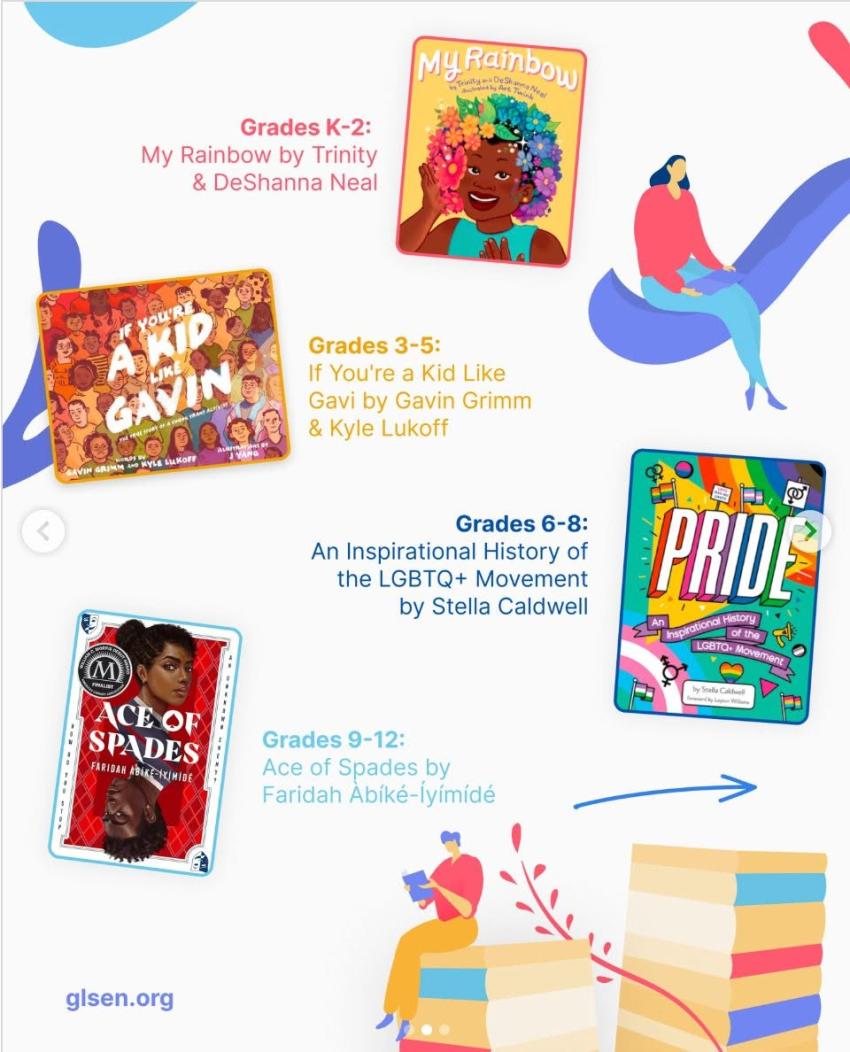
1. Educate Yourself — Read books such as When Your Child Is Gay: What You Need to Know and follow reliable sources such as the American Psychological Association or GLAAD for accurate information on gender and sexual identity.
2. Listen Actively — Create opportunities for open conversations without interrupting or dismissing feelings. Ask respectful questions and validate experiences. Find out whom they have already told about their sexual orientation and whom they don’t want you to tell.
3. Use Inclusive Language — Respect pronouns and chosen names immediately. Correct others gently when they misjoinder someone.
4. Advocate in Schools and Communities — Support inclusive policies in San Francisco Unified School District and participate in local pride events or ally training workshops.
5. Connect to Resources — Link your child with affirming counselors or youth groups in the Bay Area.
These steps build trust and demonstrate commitment through everyday actions.
When Should Professional Help Be Sought?
Seek professional guidance if your child shows signs of distress, such as withdrawal, declining grades, or self-harm thoughts. In San Francisco, consult therapists experienced in LGBTQ+ youth mental health through the San Francisco Department of Public Health, word-of-mouth or private providers. Family counseling can help everyone navigate changes. Early intervention often prevents escalation and supports long-term well-being.
Common Misconceptions About Supporting LGBTQ+ Kids
Many believe gender or sexual identity is “just a phase” or that support means pushing an agenda. In reality, affirmation aligns with medical consensus from the American Academy of Pediatrics. Another myth is that allyship requires perfect knowledge—genuine effort and willingness to learn matter more. Avoid assuming all experiences are the same; each child’s journey is unique.
Frequently Asked Questions
How do I respond if my child comes out?
Stay calm, express love, and thank them for trusting you. Avoid questions that imply rejection. Follow up by asking how you can support them best. Professional resources in San Francisco can guide next steps for families.
Does supporting my LGBTQ+ child mean I have to change my beliefs?
Allyship focuses on your child’s safety and happiness, not changing core values. Many parents maintain personal beliefs while prioritizing unconditional love and respect.
What if my family or community is not accepting?
Start within your home. Connect with supportive networks like PFLAG San Francisco for strategies to navigate unsupportive environments while protecting your child.
Are there local resources in San Francisco for LGBTQ+ youth?
Yes. The SF LGBT Center, Lyon-Martin Health Services, and school-based programs offer counseling, peer support, and family resources tailored to the city’s vibrant community.
Can schools in San Francisco help support LGBTQ+ students?
Absolutely. Many schools have Gender and Sexuality Alliances (GSAs) and policies protecting LGBTQ+ students. Partner with administrators to ensure a safe learning environment.
Supporting LGBTQ+ kids is an ongoing journey of empathy and action. By educating yourself, listening openly, and connecting with local San Francisco resources, you help create a foundation of safety and belonging. Families who show up with love often see stronger relationships and healthier outcomes. If legal challenges arise related to your child’s rights or family matters, experienced guidance can make a difference. For compassionate support tailored to your situation, reach out to Wesley Cullen Davidson for thoughtful insights grounded in experience.