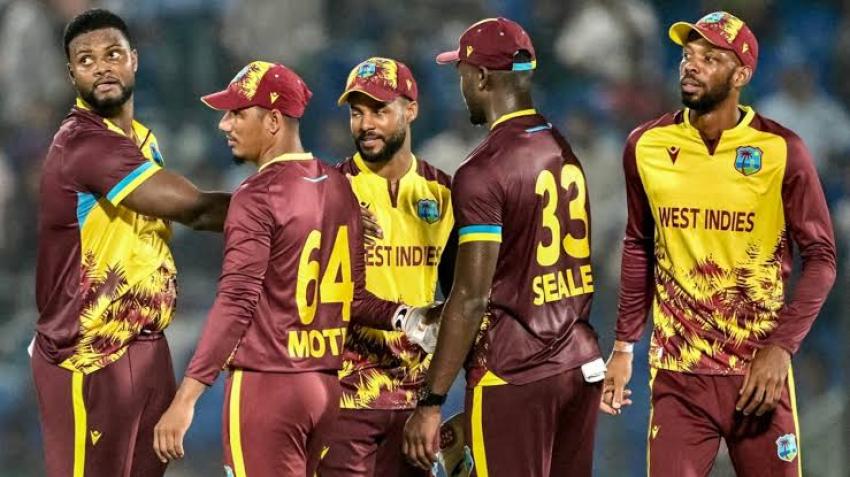
West Indies Test cricket's relationship with the format's health has been one of cricket's most complex stories across the past two decades — a team whose historical dominance through the 1970s and 1980s represented global cricket's competitive pinnacle, experiencing extended competitive challenges through the 1990s and 2000s as domestic structures, player availability issues, and cricket board governance challenges collectively suppressed the nation's Test cricket competitive standards below what its playing talent and cricket culture historically produced.
The 2026 home season — hosting Sri Lanka for Test cricket at Sir Vivian Richards Stadium in Antigua — provides a specific lens through which to examine what genuine revival looks like for West Indies Test cricket and what structural foundations are being built for sustainable competitive improvement rather than merely temporary form cycles.
What the 2026 Sri Lanka Test Reveals About West Indies
The specific Test against Sri Lanka, reaching its fourth day at Antigua, provides analytically informative evidence about West Indies' current Test cricket status across multiple performance dimensions. The ability to compete through multiple sessions of a Test's latter days — where pitch wear typically increases and both batting technique and bowling stamina are tested most thoroughly — reveals genuine match-readiness rather than the opening-day peak performance that more superficial form assessment might capture.
The specific bowling metrics from this Test are particularly revealing for West Indies' revival assessment: economy rate and wicket-taking frequency from their pace bowling options, their management of spin bowling deployment as the pitch wears, and their field setting tactical sophistication across different match phases. These phase-specific bowling metrics, available through cricbet99 login's comprehensive ball-by-ball data, provide far more reliable revival evidence than the top-line wicket-taking record alone.
The Structural Foundations of West Indies' Recovery
West Indies' cricket revival has required sustained investment in structural foundations that broader commentary frequently overlooks in favour of focusing on individual player performances. The Cricket West Indies board has invested specifically in domestic cricket infrastructure improvements — developing the regional four-day cricket tournament into a more reliable Test cricket preparation environment, improving umpiring and match officiating standards that create better developmental match conditions, and building more systematic player pathways that connect domestic cricket performance to national team selection through clearer evidence-based criteria.
The specific playing culture changes that accompany this structural investment are equally important — building a dressing room environment where the patience and sustained concentration demands of Test cricket are genuinely valued rather than experiencing the format as a lower priority relative to the more commercially prominent T20 franchise cricket that West Indian players access extensively through global franchise leagues. Managing this Test cricket culture alongside the competing attractions of T20 franchise cricket represents one of the most significant ongoing challenges for West Indies cricket development.