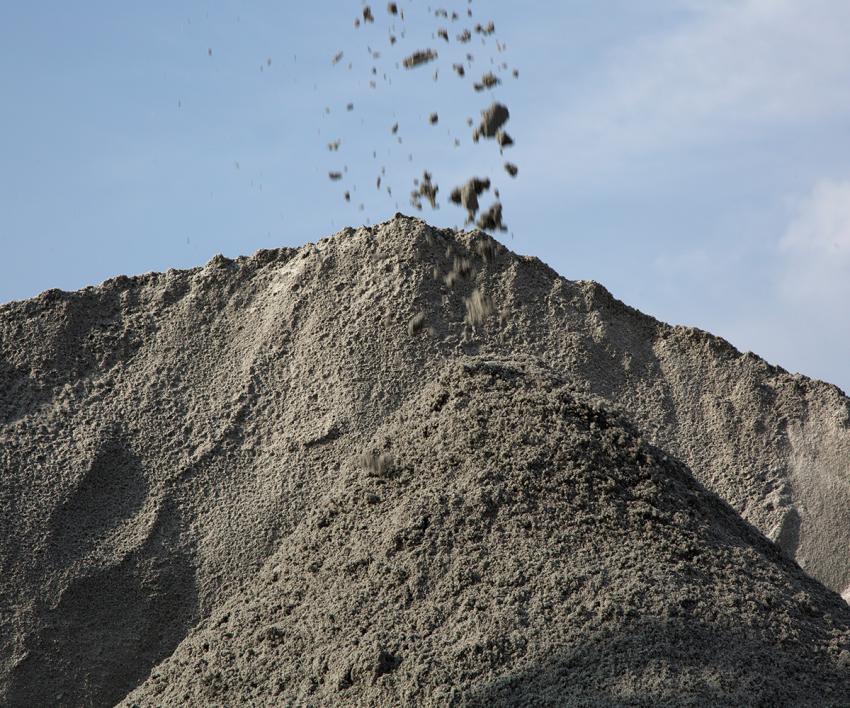
Finding a reliable and cost-effective source of fine aggregate is a constant challenge for construction projects. M-Sand (Manufactured Sand) has emerged as a practical alternative to natural river sand, which is increasingly difficult and expensive to source due to environmental restrictions.
By using crushed rock to produce a consistent, high-quality aggregate, developers can control their material costs better and project timelines. This shift toward manufactured alternatives addresses the growing scarcity of natural resources while providing a predictable financial advantage for modern building operations.
Why M-Sand Offers a Financial Edge
The fluctuating price and uncertain supply of river sand often lead to budget overruns and project delays. M-Sand provides a more stable economic model by being produced in controlled environments, often closer to the construction site.
● Lower procurement costs due to local production and availability.
● Reduced logistics expenses from shorter transportation distances.
● Consistent quality leads to less material waste and fewer mix adjustments.
Cost-Benefit Analysis for Construction Projects
Evaluating the move to manufactured aggregates requires looking at both immediate savings and the long-term impact on the structure's integrity.
Lowering Logistics and Procurement Costs
Natural sand often has to be transported over long distances from riverbeds, incurring significant fuel and labor costs. M-Sand plants are typically located near stone quarries, which are more widely distributed. This proximity reduces the carbon footprint and the transportation fees associated with every ton of material delivered to the site, directly improving the project's bottom line.
Improving Concrete Yield and Performance
Because M-Sand is manufactured, its grading and particle shape are consistent. Unlike river sand, which can contain silt, clay, and organic impurities, manufactured sand is clean and well-graded. This consistency means that less cement is required to achieve the desired strength in a concrete mix. Since cement is one of the most expensive components of concrete, reducing its usage through better aggregate quality provides a substantial cost saving.
Reducing Maintenance and Repair Expenses
The angular shape of M-Sand particles leads to better interlocking within the concrete matrix, resulting in a stronger and more durable final product. Structures built with high-quality manufactured aggregates often show better resistance to weathering and wear. Over the lifespan of a building or bridge, this translates to lower maintenance costs and a longer service life, providing a better return on investment for the owner.
Avoiding Regulatory Fines and Supply Delays
Many regions have strict bans or heavy taxes on river sand mining to protect ecosystems. Relying on an unsustainable source can lead to legal complications or sudden supply halts. M-Sand is a recognised sustainable alternative that complies with environmental regulations, ensuring that projects proceed without the risk of government-imposed delays or penalties.
Long-Term Financial Performance
The durability of concrete made with manufactured sand is a key factor in its economic appeal. When the aggregate is free of impurities and properly graded, the risk of structural issues like honeycombing or cracking is significantly reduced, ensuring the long-term viability of the construction.
Selecting a Reliable M-Sand Supplier
Not all manufactured sand is created equal. It is essential to choose a supplier that uses modern crushing and washing technology to ensure the sand meets the specific requirements for concrete or plastering work. Checking for proper grading and the absence of excessive dust or flat particles is a critical step in ensuring the material will perform as expected in the field.
Conclusion
Switching to M-Sand is a strategic decision that benefits the budget, the timeline, and the environment. Providing a consistent, locally sourced, and high-performing alternative to river sand, it allows construction professionals to optimise their mix designs and reduce overall project costs. As natural resources become scarcer, the economic case for manufactured aggregates only grows stronger, making it a cornerstone of efficient and sustainable modern construction.