You wake up puffy. Your legs feel heavy, your brain feels foggy, and you've been fighting off the same low-grade fatigue for weeks. Nothing obvious is wrong, but something clearly isn't right. A lot of people in this situation never think to look at their lymphatic system, and that's a shame, because it's often the first thing to go quiet when the body gets stressed, sedentary, or run down. Getting Lymphatic Drainage Massage Therapy in Conroe TX is one of the more direct ways to get things moving again, but before you book anything, it helps to understand what's actually happening inside your body and why.
What the Lymphatic System Actually Does
Most people know the heart pumps blood. But the lymphatic system has no pump. None at all. It moves lymph fluid through a network of vessels and nodes using only muscle contractions, breathing, and body movement. That's it. So when you stop moving, the fluid tends to pool. Think of it like a river that depends entirely on rainfall to flow. No rain, no current.
The system's job is pretty broad. It filters waste, carries immune cells to where they're needed, and pulls excess fluid out of your tissues before returning it to the bloodstream. According to the National Cancer Institute's definition of the lymphatic system, it also plays a direct role in absorbing fats from digestion. When it slows down, all of those functions slow with it. Fluid builds up in tissues. Waste products hang around longer than they should. Your immune response gets sluggish too.
The Most Common Reasons Lymph Flow Slows Down
Sedentary living is probably the biggest culprit. Your lymph vessels need movement to push fluid through them, so sitting at a desk all day is genuinely bad news for lymphatic flow. But it's not the only trigger.
Here's a short list of things that commonly stall the system:
Eating a diet high in processed food and sodium, which pulls more fluid into tissues
Chronic dehydration, since lymph is mostly water and thickens when you don't drink enough
Prolonged stress, which raises cortisol and can disrupt normal fluid regulation
Surgery or injury, especially anything involving lymph node removal or significant tissue trauma
Illness or infection, which floods the system with cellular debris it struggles to clear quickly
Tight clothing or prolonged postures that compress lymph vessels in the groin, underarm, or neck
Some people have a genetic predisposition to sluggish lymph. Most don't. For most folks, it's a lifestyle accumulation problem. Little things piling up over months until the body just can't keep up.
Signs Your Lymphatic System Is Struggling
Puffiness in the hands, feet, or ankles is usually the first thing people notice. Not the kind that goes away after a night's sleep. The kind that's just... there. Persistent. You press a finger into your shin and it leaves a small dent.
But swelling isn't the only sign. Frequent colds or infections that take forever to clear are a red flag too, since the immune cells that fight infection travel through lymph fluid. Skin changes matter as well. Dull, dry, or slightly thickened skin can indicate fluid isn't circulating properly through the tissues underneath. Joint stiffness, especially in the morning, is another one that people often chalk up to aging or bad sleep. And brain fog, that thick, slow feeling where concentration feels like wading through mud, is reported pretty consistently by people with chronically sluggish lymph flow.
Not every one of these symptoms means your lymphatic system is the problem. But if you're dealing with three or four of them together without a clear medical explanation, it's worth considering.
How Lymphatic Drainage Massage Works
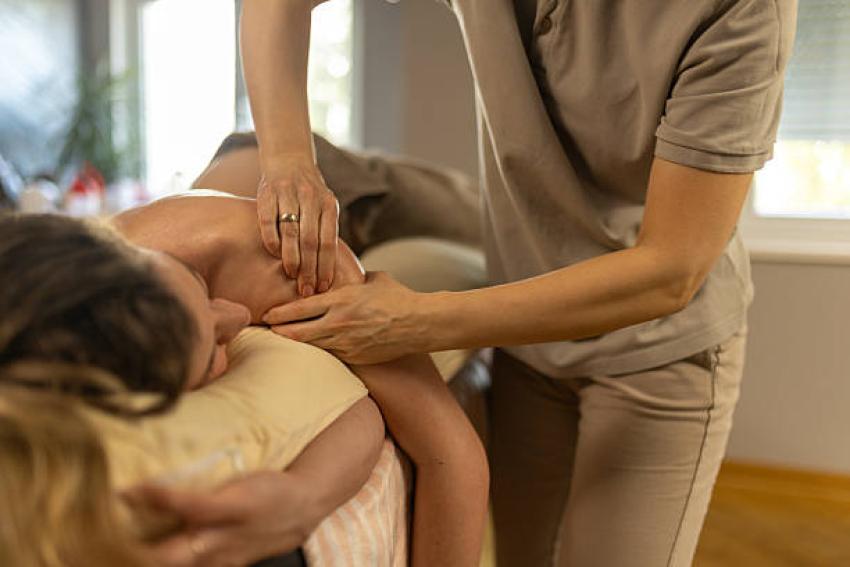
Standard massage is designed to work deep into muscle tissue. Lymphatic drainage massage is not. That surprises a lot of people. The pressure used is actually quite light, around the weight of a nickel on your skin in some techniques, because the lymph vessels sit just beneath the surface. Too much pressure and you compress them shut rather than opening them up.
The technique uses slow, rhythmic strokes that follow the direction of lymph flow toward the nearest cluster of lymph nodes. Practitioners typically start at the nodes themselves, clearing them out first so there's somewhere for the fluid to drain. Then they work outward, coaxing fluid toward those cleared nodes. It's methodical and it takes time. A session usually runs 60 to 90 minutes for good reason.
If you're in the area and looking for this kind of specialized care, Pavilion Therapeutic Thai Massage & Spa is one place that offers trained lymphatic work as part of their services, not just a general relaxation menu. That distinction matters, because technique here really does make a difference in results.
Lymphatic Massage Therapy in Conroe TX has grown in demand over the past few years, partly because more people are recovering from procedures like liposuction or mastectomies where lymphatic support is part of the standard recovery protocol. But you don't need a surgery to benefit. Anyone with chronic puffiness, fatigue, or a slow immune system can see real improvement with consistent sessions.
What to Realistically Expect After Sessions
One session won't fix a months-long backlog. Honest truth. Most people start noticing a difference after two or three sessions, usually in the form of reduced puffiness and slightly better energy. Some people feel a bit tired or need to urinate more frequently right after a session, which is normal and actually a sign the body is clearing fluid.
With regular sessions over four to six weeks, the changes tend to stack. Skin looks clearer. Joint stiffness eases. People who were getting sick every few weeks start going longer between illnesses. Recovery from workouts or minor injuries speeds up noticeably. Sleep quality often improves too, which compounds everything else.
Lymphatic Drainage Massage Therapy in Conroe TX works best as part of a broader approach. Staying hydrated, moving daily even if it's just a 20-minute walk, and eating less processed sodium all support what the massage starts. The massage gets the fluid moving again. Your daily habits keep it moving.
It's also worth noting that Lymphatic Massage Therapy in Conroe TX isn't a one-size answer for every condition. If you have active infections, blood clots, congestive heart failure, or certain cancers, you'll want to check with your doctor before starting. A good therapist will ask about your health history before touching you anyway.
Frequently Asked Questions
How is lymphatic drainage massage different from a regular relaxation massage?
Regular massage targets muscle and connective tissue with moderate to firm pressure. Lymphatic drainage massage uses very light, specific strokes aimed at the superficial lymph vessels just under the skin. The goal is moving fluid, not releasing muscle tension, so the feel and technique are quite different.
How often should I get lymphatic drainage massage?
For general maintenance and mild symptoms, once or twice a month is usually enough. If you're recovering from surgery or dealing with more serious swelling, a therapist might suggest weekly sessions for the first month or two, then tapering off as things improve.
Will I see results after just one session?
Maybe a little. Some people notice reduced puffiness within 24 hours of their first session. But lasting results come from consistency. Think of it less like a single fix and more like physical therapy for your fluid system.
Can I make my lymphatic system work better on my own between sessions?
Yes, and you should. Daily movement is the biggest one, since muscle contractions are the main driver of lymph flow. Staying well hydrated, doing deep breathing exercises, and dry brushing your skin before a shower are all things that support lymphatic circulation between professional sessions.
Is lymphatic drainage massage safe for everyone?
It's safe for most people, but not everyone. People with active infections, deep vein thrombosis, untreated heart conditions, or certain cancer diagnoses should talk to their doctor first. A qualified therapist will always do a health intake before your first session to flag any concerns.