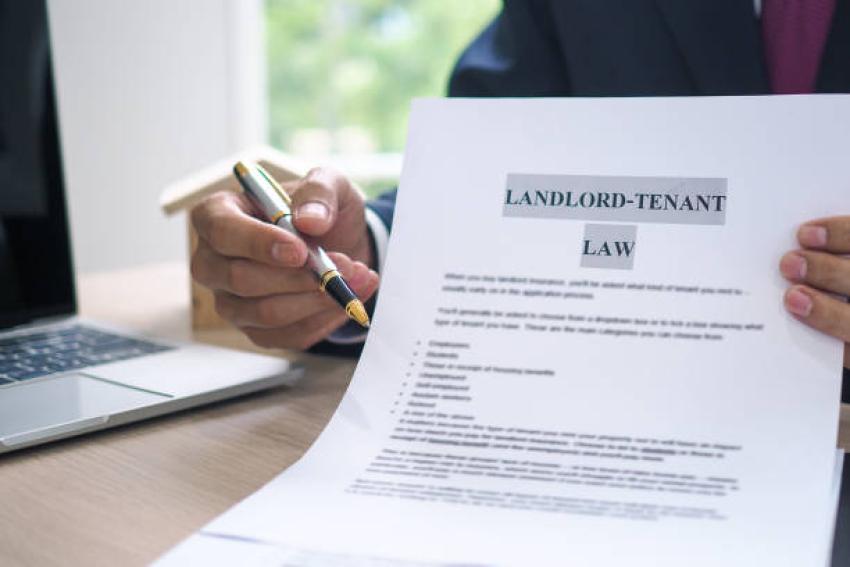
Most people sign a lease without reading past the rent amount and move-in date. That's pretty normal. But that habit can cost you later, whether you're a tenant dealing with a landlord who won't fix the heat or a new landlord who just realized your tenant hasn't paid in three months. Landlord-tenant law covers the whole relationship between property owners and renters, and it's a lot more specific than most people expect. If you're in east Tennessee and things have already gone sideways, talking to Landlord-Tenant Attorneys in Knoxville TN sooner rather than later can save you real money and serious headaches. This guide breaks down the basics so you know where you stand before anything gets worse.
What Landlord-Tenant Law Actually Covers
Think of it as the legal rulebook for renting. It governs lease agreements, security deposits, repairs, evictions, and what either party can do if the other one breaks the deal. Every state has its own version of these rules, and Tennessee's are found in the Tennessee Uniform Residential Landlord and Tenant Act, which applies to most residential rentals across the state. Local ordinances can add extra layers on top of that.
A lease is the foundation. Written or verbal, it's a contract. But written leases are what hold up when disputes happen, because you've got something to point to. Verbal agreements are valid but hard to prove. Worth writing things down.
The law also sets minimum standards that neither side can waive just by agreeing to them in a lease. A landlord can't write into a lease that they're not responsible for keeping the heat working. That clause wouldn't hold up, because habitability requirements exist whether you put them in the contract or not.
Core Rights Tenants Have (That Many Don't Know About)
Tenants have more legal protection than most of them realize. The right to a habitable unit is the big one. Your landlord has to keep the place safe and livable, which means working heat, no major pest infestations, a solid roof, functional plumbing. If they won't fix something that affects health or safety, you usually have options beyond just complaining.
Privacy is another one. Landlords generally can't just walk in whenever they feel like it. Most states, including Tennessee, require advance notice before entry, usually 24 hours, except in genuine emergencies. Sound familiar? A lot of tenants don't know that until after it's already been violated.
You're also protected against illegal eviction. A landlord can't change your locks, remove your belongings, or shut off your utilities to force you out. That's called a "self-help eviction" and it's illegal in Tennessee. They have to go through the court process, full stop. And when you move out, they have to return your security deposit within a set timeframe, along with an itemized list of any deductions. If they don't follow that process, you may be entitled to get the full deposit back regardless of any actual damages.
What Landlords Are Legally Required to Do
Being a landlord isn't just collecting rent. There are real obligations. Maintaining the property in a livable condition is at the top of the list. That means responding to repair requests in a reasonable timeframe, keeping common areas safe, and making sure essential systems like heating and plumbing are functional.
Notice requirements matter a lot. Before entering a tenant's unit for non-emergency repairs or inspections, landlords in Tennessee typically need to give at least 24 hours' notice. Showing up unannounced repeatedly can actually be considered harassment, which creates legal exposure for the landlord.
Eviction has its own strict process. You can't just tell someone to leave and expect them out by Friday. You have to serve proper written notice, wait out the required notice period, file with the court if they don't comply, and get a judge's order before any removal happens. Skipping steps makes the eviction invalid and opens the door to counterclaims. Landlord-tenant lawyers in Knoxville Tennessee see this kind of procedural mistake all the time from landlords who tried to handle it themselves.
Common Disputes and What Usually Causes Them
Non-payment of rent is the most common one. But the fix isn't always as simple as it sounds, because the legal steps to remove a non-paying tenant have to be followed exactly or you start over. One wrong move and you've lost weeks.
Property damage claims come up a lot at move-out. The landlord says the tenant trashed the place. The tenant says it was normal wear and tear. This is where move-in checklists and dated photos save everyone. Without documentation, it's just two people arguing.
Retaliatory eviction is something tenants should know about. If you complained to a housing inspector or asked for repairs, and your landlord suddenly tries to evict you or raises your rent, that sequence of events can look like retaliation. Tennessee law gives tenants some protection here. If you've got Landlord-Tenant Attorneys in Knoxville TN on your side, they can identify this pattern and use it in your defense.
Illegal lockouts happen more than they should. Some landlords, especially newer ones who don't know the law, try to skip the court process and just change the locks. That's a quick way to end up on the losing side of a lawsuit. Knox Legal Solutions handles situations like this regularly, and the tenant usually has a strong claim when a landlord pulls this kind of move.
When You Actually Need a Lawyer
Not every landlord-tenant problem needs an attorney. A lot of issues get resolved with a firm letter or a conversation. But some situations really do call for legal help, and waiting too long to get it can hurt you.
You probably want a lawyer if you're facing eviction and you think it's retaliatory or procedurally improper. Or if your landlord is withholding a large security deposit without justification. Or if you're a landlord dealing with a tenant who's caused serious damage and isn't leaving. These are situations where the financial stakes are high enough that professional help pays for itself.
Landlord-tenant lawyers in Knoxville Tennessee can also catch things you'd never think to look for, like whether a lease clause is unenforceable, or whether your landlord failed to follow proper notice requirements in a way that voids the eviction entirely. Having someone who knows the local courts and Tennessee-specific statutes is genuinely useful, not just a luxury.
Frequently Asked Questions
Can my landlord evict me without going to court in Tennessee?
No. Tennessee law requires landlords to go through the court process before removing a tenant. They have to serve written notice, wait the required period, file an eviction lawsuit, and get a court order. Anything else, like changing locks or removing belongings, is illegal.
How long does a landlord have to return my security deposit?
In Tennessee, landlords generally have to return the security deposit within 30 days of the tenancy ending. They also have to send an itemized list of any deductions. If they don't follow this process, you may be entitled to the full deposit back, even if there were legitimate damages.
What counts as a habitability issue?
Habitability problems are things that affect your health or safety. Broken heat in winter, major plumbing failures, significant mold, no hot water, pest infestations, and structural hazards all qualify. Cosmetic issues, like scuffed paint or an older carpet, generally don't rise to that level.
Can I withhold rent if my landlord won't make repairs?
Tennessee does allow rent withholding or repair-and-deduct in certain situations, but there are specific steps you have to follow first. You can't just stop paying. You typically need to give written notice, wait a reasonable time, and meet other requirements. Skipping steps can actually put you in the wrong legally, so get advice before doing anything.
Do I need a lawyer for a small landlord-tenant dispute?
Not always. Small claims court handles a lot of deposit disputes without attorneys involved. But if the amount is significant, the situation involves eviction, or you think your rights have been seriously violated, getting a lawyer involved early usually leads to a better outcome than trying to handle it alone and calling for help after things fall apart.