Booking that first lesson takes courage. Whether you're signing up for yourself or dragging your reluctant eight-year-old along, the anxiety of not knowing what's coming is totally real. Will the teacher judge your kid for not knowing anything? Will you feel dumb for being an adult who can't read music? Here's the short answer: no, and no. A first lesson is almost never what people expect, and that's usually a good thing. If you're looking for Piano Lessons in Carlsbad CA, knowing what the structure of that first session looks like will help you walk in feeling ready instead of rattled.
The First Few Minutes Are Just a Conversation
Most teachers spend the opening five to ten minutes talking, not playing. They want to know why you're here. Did you always want to learn as a kid? Is your child obsessed with a particular song? That context matters more than you'd think, because it shapes everything the teacher plans from that point on. It's not small talk. It's data collection.
A good teacher will also ask about any previous experience, even if the answer is zero. They're not looking for impressive answers. They're calibrating. From what I've seen, adults often undersell themselves by saying "I know nothing" when they actually picked up a few things from YouTube or an old method book, and that changes the starting point a bit.
Goal-setting happens here too. Short-term goals like "I want to play a recognizable song by Christmas" and longer-term ones like "I want to read sheet music properly" both help the teacher decide how to pace things. Be honest about what you want. Don't just say "to get better" because that tells them almost nothing.
What to Bring (and What You Don't Need Yet)
Bring a notebook. Seriously, just a basic spiral notebook. Your teacher will likely write down fingering notes, practice instructions, and possibly the names of pieces to look up. You won't remember all of it otherwise. Trust me on this one.
If you or your child has any prior sheet music, bring it. Even if it's from a different instrument or a half-finished beginner book from three years ago, it gives the teacher useful information. Don't worry about whether it's embarrassing. It isn't.
As for a piano or keyboard at home, you don't need a full upright on day one. But you will need something to practice on before the second lesson. A decent 61-key keyboard with weighted or semi-weighted keys works fine for beginners. Full-size keys matter more than anything else at the start. A teacher offering Private Piano Lessons in Carlsbad CA will usually give you a realistic recommendation based on your budget, so ask during the first session if you're unsure what to get.
How the Teacher Sizes You Up (Without It Feeling Like a Test)
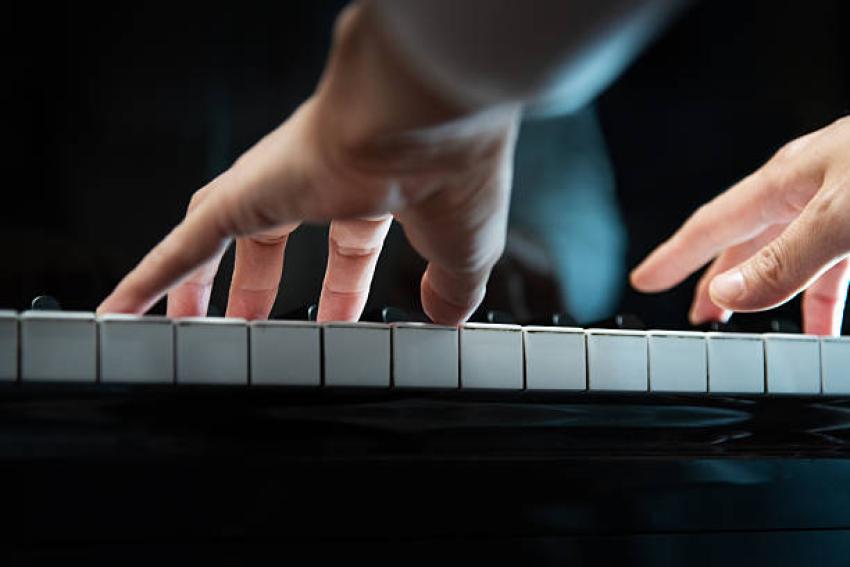
Here's the thing: teachers are watching how you sit before you've played a single note. Posture and hand position are evaluated almost immediately, but not in a harsh way. They'll gently guide you. Bench height, how close you sit to the keys, whether your wrists are drooping or floating, all of this gets a quiet look-over.
Ear sensitivity is another thing that gets checked early, usually through simple listening exercises. The teacher might play two notes and ask which one is higher. Or they'll clap a rhythm and ask you to repeat it. None of this is a test you can fail. It just helps them understand how you hear music, which affects how they'll explain things to you going forward. According to piano pedagogy research, understanding a student's aural awareness early shapes the entire teaching approach.
If you're bringing a child, watch how the teacher interacts with them during these moments. A good teacher makes it feel like a game. A great one makes the kid forget they're being assessed at all.
What You'll Actually Play in Lesson One
Probably not your favorite song. Sorry. But here's why that's actually fine.
Most first lessons introduce hand position, the layout of the keyboard, and maybe one or two five-finger patterns. You might learn the names of a handful of notes. You might tap out a simple rhythm. If you're lucky, you'll finish the session having played something that sounds like music, even if it's just three notes in a row. The point isn't to impress you with complexity. It's to give you something you can actually replicate at home before next week.
Theory basics, like understanding what a scale is or how to count beats, often show up in lesson one too. This surprises people who expected to just sit down and start playing songs. But scales and rhythm are the foundation everything else rests on. Skipping them is like trying to build a wall without mortar. It holds for a bit, then collapses.
Studios offering Private Piano Lessons in Carlsbad CA often follow structured beginner methods, like the Faber or Alfred series, which are designed to build these fundamentals in a logical order. Don't fight the process. It works.
Between Lesson One and Lesson Two
This is where most beginners either gain traction or lose momentum. The gap between the first and second lesson is critical. Not because you need to practice for hours. You don't. Ten to fifteen minutes a day is genuinely enough at the very start.
What matters more than duration is consistency. Playing for ten minutes every day beats playing for an hour on Saturday. Your fingers need repetition spread across days, not crammed into one session. If you're a parent helping a child practice, keep it low-pressure. Sit nearby. Ask what they learned. Don't turn it into a homework battle.
Studios like Flute lessons with Rosalind often pair piano instruction with other musical disciplines, which can actually reinforce what beginners learn in their first few piano sessions since rhythm and ear training carry over between instruments.
Write down what your teacher told you to work on. Then do those specific things. Don't go rogue and try to learn a pop song off YouTube before your second lesson. I've seen that go sideways more than once. Stick to the assignment, show up, and ask questions if something felt confusing at home.
One more thing: don't measure your progress against videos of prodigies online. Piano Lessons in Carlsbad CA, or anywhere else for that matter, work best when you're comparing yourself to where you were last week, not to someone who's been playing for twenty years.
Frequently Asked Questions
Do I need to know how to read music before the first lesson?
No, not at all. Most beginner lessons start from scratch, and a good teacher won't assume you know anything. Reading music is something you'll learn gradually over the first several weeks. Show up as you are.
How long is a typical first piano lesson?
Usually 30 or 45 minutes. For young children, 30 minutes is often plenty because attention spans are short at that age. Adults and older teens tend to do well with 45 minutes, though 60-minute lessons are also common once you're past the beginner stage.
Should my child practice every day between lessons?
Yes, but keep sessions short. Ten to fifteen minutes daily is realistic and effective for young beginners. The goal is building a habit, not logging hours. Consistency beats intensity at this stage, every single time.
What if my child hates the first lesson?
Give it a few more sessions before drawing conclusions. First lessons can feel strange and unfamiliar, especially for kids who expected to play real songs right away. If the discomfort continues after three or four lessons, it might be worth talking to the teacher about adjusting the approach, or trying a different teacher altogether.
Is it too late to start piano as an adult?
Honestly, no. Adults actually learn certain aspects of music faster than kids because they can understand theory explanations more quickly and they're self-motivated. Progress might look different than it does for a ten-year-old, but that doesn't mean it's slower in every way. Plenty of adults start in their 30s, 40s, or later and get genuinely good.