Your stucco looked perfect after that fresh paint job. Six months later, you noticed small cracks. By year two, paint was peeling in sheets. Now you're staring at bubbled, flaking walls and wondering what went wrong. Here's the thing — most stucco paint failures aren't about cheap paint or lazy contractors. They're about three hidden problems that destroy paint from behind, and most homeowners don't know they exist until it's too late.
If you're dealing with failing stucco paint in Birdsboro, working with experienced professionals who understand moisture management makes all the difference. When you need reliable Exterior Stucco Painting Birdsboro, PA, choosing a team that addresses root causes — not just surface symptoms — protects your investment. This article breaks down the three moisture problems that ruin stucco paint, the prep mistake 80% of painters skip, and what you need to check before any primer touches your walls.
The Hidden Moisture Problem That Destroys Stucco Paint
Paint doesn't just sit on stucco — it seals it. And when moisture gets trapped behind that seal, pressure builds. The paint bubbles, cracks, and eventually peels off in sheets. The culprit? Water that's already inside your stucco before painting even starts. This happens three ways: missing weep screeds at the base, failed flashing around windows, or cracks that funnel rainwater directly into the wall assembly.
Weep screeds are those metal strips at the bottom of your stucco. They're supposed to let trapped water escape. But if they're clogged with dirt, sealed over during previous paint jobs, or just missing entirely, water pools behind your stucco. It can't evaporate. It can't drain. So it pushes through the only exit available — your new paint. And that paint doesn't stand a chance.
Why Painting Over Dirty Stucco Guarantees Two-Year Failure
Stucco collects a white, chalky powder called efflorescence. It's mineral salts pushed to the surface by moisture. Looks harmless. Actually ruins everything. If you paint over it without proper cleaning, the paint bonds to the powder — not the stucco. Within two years, that powder breaks down and takes your paint with it. The fix isn't complicated, but it's the step most painters skip because it adds labor hours.
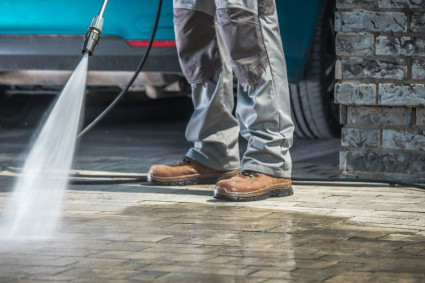
Proper stucco prep means pressure washing at the right PSI (too high and you damage the surface, too low and you don't remove efflorescence), waiting 24 hours for drying, then testing for moisture with a meter. Not a hand-touch test. An actual moisture meter. Stucco can feel dry to the touch but still hold 15% moisture content deep in the substrate. Painting over that? You're sealing water inside. It'll bubble your paint from behind within the first year.
The Hairline Crack That Becomes a Spider Web
You see a tiny crack. Barely noticeable. You figure paint will fill it. Wrong. Stucco cracks because the substrate underneath shifts — thermal expansion, settling, or moisture movement. Painting over that crack doesn't stop the movement. It just creates a line of weakness in your paint film. Next seasonal shift, that hairline crack spreads. The paint follows. Within three years, you've got spider-web cracking across entire sections of wall.
The only fix is elastomeric caulk before painting. Not regular caulk — elastomeric, which flexes with movement. It fills the crack, bonds to both sides, and moves with seasonal shifts without breaking. Sounds basic, but 60% of painters skip it because it's tedious. They paint right over the crack, collect their check, and your paint fails in year two. Then you're back at square one, except now the crack is worse and you've wasted thousands on failed paint.
What Your Exterior Stucco Painting Contractor Should Check Before Starting
A legitimate contractor does a pre-paint moisture test. Period. They use a pin-type or non-invasive moisture meter on at least six spots per wall — top, middle, bottom. Readings above 12% mean you can't paint yet. The wall needs to dry or the moisture source needs fixing. No exceptions. If a contractor says "it looks dry" or "we'll just prime it heavy" — walk away. They're setting you up for failure.
They should also inspect flashing around windows and doors. Flashing directs water away from the wall assembly. If it's missing, rusted, or improperly installed, water funnels behind your stucco every time it rains. Paint won't fix that. You need flashing repair before the first coat of primer. And here's the kicker — most painters aren't qualified to do flashing work. They'll paint around the problem and blame "bad luck" when your paint fails in 18 months.
The One Weather Condition That Ruins Everything
You can do perfect prep, use premium paint, and still fail if you paint during morning dew. Stucco feels dry to the touch, but there's a thin layer of condensation on the surface. Primer goes on, seals that moisture under the paint film, and you've just trapped water between your paint and the stucco. It takes six months to show up as bubbling, but the damage happens the second that primer hits damp stucco.
Professional painters wait until mid-morning when the sun has dried any overnight condensation. They also check overnight lows — if it's dropping below 50°F, moisture condenses even faster. You need three consecutive days of temps above 50°F at night and low humidity during application. Anything less and you're gambling. And when it comes to Deck Painting Service Birdsboro, PA, the same timing rules apply — morning dew destroys adhesion even when the surface feels perfectly dry to the touch.
How Temperature Timing Causes Paint to Skin Over Without Bonding
Here's what most homeowners don't know — afternoon sun heats stucco fast. Really fast. If the wall temperature climbs above 90°F, paint skins over before it can penetrate and bond. You get a film on the surface, but no mechanical grip to the substrate. Looks fine for six months, then peels off in sheets during the first freeze-thaw cycle. The temperature window is narrow — wall temp between 50°F and 85°F during application and for four hours after.
Contractors who understand this paint early morning or late afternoon. They avoid midday heat. They check wall temperature with an infrared thermometer — not air temperature. A 75°F day can mean 95°F wall temps on south-facing stucco in direct sun. That's too hot. Paint applied in those conditions fails fast, and most homeowners blame the paint quality when the real issue was application timing. For those seeking reliable Interior Painting Service near me, understanding timing rules is just as critical indoors when dealing with plaster or drywall repairs.
Why Elastomeric Paint Isn't Always the Answer
You've probably heard "use elastomeric paint on stucco — it flexes with cracks." Partially true. Elastomeric paint does flex, but it's also thick and vapor-impermeable. If you have moisture problems, elastomeric traps it worse than regular acrylic. It's like wrapping your walls in plastic. Moisture can't escape. Pressure builds. The paint bubbles off or worse — the moisture causes mold growth behind the stucco.
Elastomeric works when your stucco is bone dry, properly flashed, and has working weep screeds. In those conditions, the flexibility helps span small cracks. But if you're using it to "fix" moisture issues, you're making things worse. Acrylic stucco paint breathes better — it lets moisture vapor escape while still providing weather protection. For wet-climate areas or homes with drainage issues, breathable acrylic outperforms elastomeric every time. And if you're also considering Exterior Painting Service near me for other surfaces, the same moisture principles apply — trapped water destroys any paint system.
What Hawk Painters Checks During Pre-Paint Inspections
Professional teams don't just show up and start painting. They check moisture levels in multiple spots, inspect flashing and weep screeds, probe cracks with a screwdriver to test depth, and look for efflorescence or previous paint failure patterns. They document problem areas, explain what needs fixing before paint, and give you a realistic timeline. If someone quotes you same-week stucco painting without mentioning prep or moisture testing, they're planning to fail.
They also test old paint adhesion. They press duct tape firmly against the existing paint, pull it off, and check what comes with it. If paint pulls off with the tape, the substrate isn't sound. More paint on top won't help. You need stripping or aggressive prep before new coats. It's tedious, it's not fun, but it's the difference between a three-year failure and a ten-year paint job. Don't skip this step to save money. You'll pay triple when the paint fails early.
The Real Cost of Skipping Proper Stucco Prep
Let's do the math. Proper stucco prep adds maybe 15-20% to your upfront cost. Pressure washing, crack repair, moisture testing, flashing checks — it's labor-intensive. But a paint job that lasts eight years instead of two saves you from repainting three times in the same period. You're looking at 3x the cost if you go cheap now. Plus the frustration, the curb appeal loss, and the potential moisture damage to wall structure if problems aren't addressed.
Most failed stucco paint jobs happen because homeowners pick the lowest bid without asking about prep. Painters who underbid do it by cutting corners — no moisture testing, minimal cleaning, painting over cracks, working in bad weather. The paint looks good for six months. Then it starts falling apart. And you're stuck arguing with a contractor who's already spent your money. Proper prep costs more upfront but removes 90% of failure risk. That's the real value.
If you're ready to invest in a stucco paint job that actually lasts, understanding these moisture and prep principles gives you the knowledge to vet contractors properly. Ask about moisture testing, crack repair, flashing inspection, and weather timing. If they can't answer or say "we've been doing this 20 years, trust us," keep shopping. Real professionals explain their process because they're proud of doing it right. When it comes to Exterior Stucco Painting Birdsboro, PA, choosing a team that addresses root causes before applying paint protects your investment and prevents the costly cycle of repeated failures.
Frequently Asked Questions
How long should I wait to paint new stucco?
Wait at least 60 days for new stucco to fully cure. The substrate needs to dry and any trapped moisture must evaporate. Painting too early seals moisture inside, causing bubbling and peeling within the first year. Test moisture levels with a meter before painting — readings should be below 12%.
Can I paint stucco in winter?
Only if daytime temps stay above 50°F and overnight lows don't drop below 40°F for three consecutive days. Cold temperatures prevent proper paint curing and morning frost creates moisture that gets sealed under the paint. Spring and fall are ideal for stucco painting in Pennsylvania.
Why does stucco paint peel in sheets?
Sheet peeling happens when paint bonds to surface contaminants (dirt, efflorescence, old chalking paint) instead of the stucco itself. When those contaminants break down, the paint comes off in large sections. Proper cleaning and priming prevent this failure mode.
Do I need to prime stucco before painting?
Yes, always prime bare or heavily weathered stucco. Primer seals the porous surface, improves paint adhesion, and provides a consistent base for topcoats. Skip primer and your paint soaks in unevenly, leading to blotchy color and premature wear. Use a masonry primer designed for alkaline surfaces.
How do I know if my stucco has moisture problems?
Look for dark patches after rain that take longer than surrounding areas to dry, white chalky deposits (efflorescence), paint bubbling or peeling, or visible mold/mildew growth. A moisture meter reading above 12% confirms the wall is too wet to paint. Address the moisture source before applying new paint.