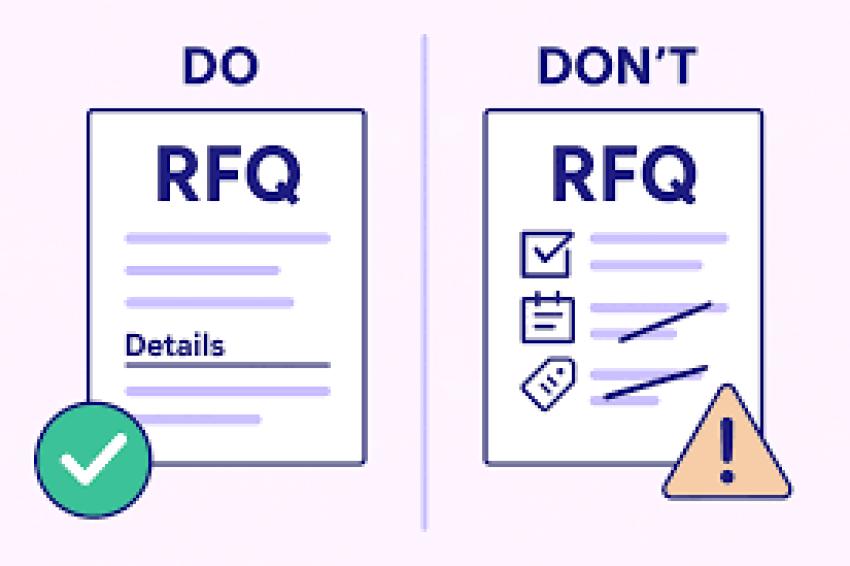
Explore How Small Businesses Can Get More RFQs Without Paid Ads
Getting more Requests for Quotation, also called RFQs, is very important for small businesses. An RFQ shows that a buyer is interested in your product or service and wants to know the price, details, delivery time, or custom options. For manufacturers, suppliers, service providers, exporters, wholesalers, and B2B companies, RFQs can become serious business leads.
Many small businesses think paid ads are the only way to get more inquiries. Paid ads can work, but they can also become expensive. Once you stop paying, the leads often stop too. Small businesses usually have limited budgets, so they need smart and long-term ways to attract buyers.
The good news is that you can get more RFQs without spending money on ads. You need a strong website, helpful content, clear product pages, good search engine visibility, and simple forms. When your business appears in front of the right buyers at the right time, you can receive more quotation requests naturally.
What Is an RFQ?
An RFQ means Request for Quotation. It is a message or form submitted by a buyer who wants price details from a seller. The buyer may ask about product cost, bulk pricing, shipping, delivery time, customization, or service packages.
For example, a buyer may ask:
“How much does 500 pieces cost?”
“Can you supply this product in bulk?”
“What is the delivery time?”
“Do you provide custom packaging?”
“What is your best price for monthly orders?”
These questions show buying interest. That is why RFQs are valuable. They are usually stronger than normal website visits because the user is closer to making a decision.
Why Small Businesses Should Focus on Organic RFQs
Organic RFQs come from unpaid channels such as Google search, blog content, product pages, business directories, referrals, and helpful website pages. These leads are powerful because users are already searching for something related to your business.
For example, if someone searches “custom packaging supplier for small business” and finds your website, they may submit a quotation request. You did not pay for that click, but your content helped you get found.
Organic RFQs are useful because:
They reduce dependency on ads.
They can bring long-term traffic.
They help build brand trust.
They attract buyers who are already searching.
They can improve lead quality over time.
They support small business growth with lower cost.
Paid ads may give quick results, but organic growth builds a stable lead system.
Start With a Clear Website Structure
Your website should be easy to understand. When buyers visit your site, they should quickly know what you offer, who you help, and how they can request a quote.
Many small business websites lose leads because the structure is confusing. Products are hard to find, contact buttons are hidden, and service details are not clear.
A good website structure should include:
Homepage
About page
Product or service pages
Category pages
Industry pages
Blog section
Contact page
RFQ or quote request page
FAQ page
Trust and certification details
Your main services or products should not be buried deep inside the website. A buyer should reach an important product page within a few clicks.
Simple navigation helps both users and search engines. If Google can understand your website structure, your pages have a better chance of appearing in search results.
Make Product and Service Pages Strong
Product and service pages are very important for RFQ generation. These pages should answer the questions a buyer may have before contacting you.
A weak product page may only show a title and image. A strong product page gives useful details and builds confidence.
Your product or service page should include:
Product name
Clear description
Key features
Available sizes or models
Material or technical details
Uses and applications
Minimum order quantity, if applicable
Delivery information
Customization options
Images or videos
Common questions
Quote request button
For service businesses, include:
What the service includes
Who needs the service
Process steps
Expected timeline
Service benefits
Location served
Pricing guidance, if possible
Contact or quote button
The goal is to make the buyer feel confident enough to ask for a quotation.
Use Simple and Buyer-Focused Keywords
Keywords are words people type into search engines. To get more RFQs, small businesses should use keywords that show buying intent.
A general keyword may bring visitors, but a buyer-focused keyword brings serious leads.
For example:
General keyword: “packaging”
Buyer-focused keyword: “custom packaging supplier for food products”
General keyword: “steel parts”
Buyer-focused keyword: “stainless steel parts manufacturer for bulk orders”
General keyword: “cleaning service”
Buyer-focused keyword: “commercial office cleaning quote”
Buyer-focused keywords often include words like:
Supplier
Manufacturer
Wholesaler
Bulk order
Custom
Price
Quote
Service provider
Near me
Exporter
B2B
Industrial
Commercial
Small businesses need more than just traffic; they need real buyers who are ready to ask for prices and compare options. A smart RFQ SEO strategy can place your products or services in front of these serious buyers at the right time. By using clear keywords, helpful pages, and simple quote forms, your website can attract better inquiries, build trust, and help visitors make business decisions without depending only on paid ads.
Create Helpful Blog Content
Blogging is a powerful way to get more website visitors and build trust. Many buyers do research before sending an RFQ. If your blog answers their questions, they may choose your business.
Your blog should not only promote your company. It should educate users and solve problems.
Good blog topics for RFQ-based businesses include:
How to choose the right supplier
Questions to ask before requesting a quotation
Factors that affect product pricing
Bulk buying guide for beginners
How to compare suppliers
Custom product ordering guide
Mistakes to avoid when buying in bulk
How delivery time affects pricing
Product material comparison
Industry-specific buying tips
For example, a small packaging company can write:
“How to Choose the Right Custom Packaging for Your Product”
A machine parts supplier can write:
“What to Check Before Ordering Custom Metal Parts”
These blogs can attract buyers early in their decision journey. When they trust your advice, they are more likely to contact you.
Add Clear Call-to-Action Buttons
A call-to-action, or CTA, tells users what to do next. If your website does not guide visitors, they may leave without contacting you.
For RFQs, your CTA should be direct and simple.
Examples:
Request a Quote
Get Free Quotation
Ask for Bulk Price
Contact Supplier
Send Your Requirement
Get Custom Pricing
Talk to Our Team
Place CTA buttons in important areas:
Top of the page
After product details
Middle of long pages
End of blog posts
Footer
Contact section
Product pages
Do not make users search for the contact form. Make the next step easy and visible.
Keep RFQ Forms Short and Simple
Long forms can reduce submissions. Buyers may not want to fill too many fields. A simple form can increase the number of RFQs.
Ask only what you really need.
A good RFQ form may include:
Name
Company name
Email
Phone number
Product or service needed
Quantity
Message or requirement
File upload, if needed
You can collect more details later through email or phone. The first goal is to make it easy for buyers to contact you.
Also, make sure the form works well on mobile devices. Many users browse from phones, so the form should be easy to fill on a small screen.
Difference Between Paid Ads and Organic Methods for RFQs
Both paid ads and organic methods can generate leads, but they work differently. Small businesses should understand the difference before choosing where to invest time and money.
PointPaid AdsOrganic Methods
CostYou pay for every click or campaignMostly time and effort based
SpeedCan bring quick trafficTakes time to grow
Long-term valueStops when budget stopsCan keep bringing leads
TrustSome users skip adsOrganic results often feel more trusted
CompetitionCan become expensiveRequires useful content and SEO
Best useShort-term promotionLong-term lead generation
ControlEasy to start and stopNeeds regular improvement
Paid ads can be useful, but they are not always best for small businesses with limited budgets. Organic methods take longer, but they can create a steady flow of RFQs over time.
A balanced approach can also work. But if the goal is to reduce ad spending, organic website growth is a strong option.
Improve Local SEO for Nearby Buyers
If your small business serves a local area, local SEO can help you get more inquiries. Many buyers search for suppliers and service providers near them.
Examples:
“printing service near me”
“metal fabricator in Dallas”
“commercial cleaning company in Chicago”
“packaging supplier near me”
To improve local visibility:
Create or update your Google Business Profile.
Add your correct business name, address, and phone number.
Upload real photos.
Collect customer reviews.
Add services and product categories.
Use local keywords on your website.
Mention cities or service areas.
Keep contact details consistent everywhere.
Local buyers often want quick service and easy communication. If they find your business nearby, they may request a quote faster.
Build Trust With Reviews and Proof
People do not send quotation requests to businesses they do not trust. Small businesses must show proof that they are reliable.
Trust signals can include:
Customer reviews
Testimonials
Case studies
Client logos
Certifications
Years of experience
Real business address
Team photos
Product images
Before and after results
Industry memberships
Guarantees or quality checks
If you have worked with happy customers, show it. If you have delivered bulk orders, mention it. If you have quality control steps, explain them.
Trust is especially important for B2B buyers because they may place large orders or long-term contracts.
Add Industry-Specific Pages
Small businesses can get more RFQs by creating pages for different industries they serve. This helps buyers feel that your business understands their needs.
For example, a packaging company can create pages like:
Packaging for food brands
Packaging for cosmetics
Packaging for e-commerce stores
Packaging for pharmaceutical products
A software service provider can create:
Software development for healthcare
Software development for finance
Software development for logistics
Software development for education
Industry pages can rank for specific searches and convert better because the content feels more relevant to the buyer.
Each industry page should explain:
The problem in that industry
How your product or service helps
Common use cases
Benefits
Examples
Quote request option
This approach helps you target different types of buyers without paid ads.
Use Comparison Content
Buyers often compare options before sending an RFQ. You can create comparison content to help them make better decisions.
Examples:
Plastic packaging vs paper packaging
Local supplier vs overseas supplier
Custom product vs ready-made product
Bulk order vs small order
Standard service vs premium service
Manual process vs automated solution
Comparison content is useful because it matches real buyer questions. It also builds trust because you are helping users understand differences, not just selling to them.
When writing comparison content, keep the language simple and honest. Show benefits, limits, costs, and best use cases.
At the end of the page, add a clear quote option.
Make Your Website Fast
Website speed affects both SEO and user experience. If your website takes too long to load, buyers may leave before reading your offer.
A slow website can reduce RFQs because users do not want to wait.
To improve speed:
Compress images.
Use simple design.
Remove unnecessary plugins.
Use good hosting.
Reduce heavy scripts.
Enable caching.
Avoid too many popups.
Test your website on mobile.
Fast websites feel more professional. For small businesses, this can create a better first impression.
Write Clear and Helpful Content
Your website content should be easy to read. Avoid using too much technical language unless your buyers expect it.
Simple content works better because users can quickly understand what you offer.
Instead of writing:
“We provide integrated industrial-grade customized procurement solutions.”
Write:
“We supply custom industrial products for bulk buyers.”
Clear wording helps users take action faster.
Good content should answer:
What do you offer?
Who is it for?
How does it help?
Why should buyers trust you?
How can they request a quote?
Do not make the user guess.
Add FAQs on Important Pages
FAQs help answer buyer questions before they contact you. They also make your page more useful for search engines.
Add FAQs to:
Product pages
Service pages
Industry pages
Pricing pages
Blog posts
Contact pages
Useful FAQ questions include:
What is the minimum order quantity?
How long does delivery take?
Do you offer custom sizes?
Can I request a sample?
Do you ship internationally?
How do I request a quotation?
What details should I send for pricing?
FAQs reduce confusion and encourage users to submit better RFQs.
Use Internal Links Smartly
Internal links connect one page of your website to another. They help users explore more pages and help search engines understand your content.
For example, a blog about bulk buying can link to a product page. A product page can link to a case study. A case study can link to the quote request page.
Good internal links can guide buyers step by step.
Example flow:
Blog post → Product page → Case study → RFQ form
This type of journey can turn a normal visitor into a serious lead.
Optimize Images With Descriptions
Images are important for products and services. Buyers like to see what they are getting. But images should also be optimized.
Use clear image file names.
Instead of:
IMG_1234.jpg
Use:
custom-cardboard-packaging-box.jpg
Also add image alt text. Alt text helps search engines understand the image and improves accessibility.
Good images can increase trust and make users more likely to request a quote.
Use images such as:
Product photos
Work samples
Factory or office photos
Team photos
Packaging examples
Before and after results
Infographics
Real images are usually better than generic stock photos.
Show Pricing Guidance When Possible
Many small businesses avoid showing prices because every project is different. That is understandable. But giving some pricing guidance can help buyers know what to expect.
You do not always need to show exact prices. You can mention:
Starting price
Price range
Factors that affect cost
Bulk discount availability
Custom quote requirement
For example:
“Pricing depends on quantity, size, material, and delivery location. Contact us for a custom quote.”
This helps users understand that the price is flexible and encourages them to send details.
Track RFQ Sources
To improve results, you need to know where your RFQs are coming from. Are they coming from blog posts, product pages, Google search, local listings, or referrals?
Tracking helps you understand what is working.
You can track:
Which pages get the most form submissions
Which keywords bring visitors
Which blog posts attract leads
Which locations generate inquiries
Which products get more quote requests
Once you know this, you can improve the best-performing pages and create more similar content.
Small improvements can lead to more RFQs over time.
Keep Updating Old Content
SEO is not a one-time task. Your website content should be updated regularly. Old pages may lose ranking if the information becomes outdated.
Update pages by adding:
New product details
Fresh images
Better FAQs
New internal links
Updated service areas
Customer examples
Improved headings
Clearer CTA buttons
You can also refresh old blogs with new information and better structure.
A regularly updated website looks active and trustworthy.
Common Mistakes That Reduce RFQs
Small businesses often make simple mistakes that stop buyers from contacting them.
Avoid these mistakes:
No clear quote button
Weak product descriptions
Slow website speed
No mobile-friendly design
Too many form fields
No trust signals
No contact details
Poor page structure
No helpful content
No follow-up process
Even if your website gets traffic, these problems can reduce conversions. Getting more RFQs is not only about attracting visitors. It is also about helping visitors take action.
Simple Action Plan for Small Businesses
Here is an easy action plan you can follow:
First, review your website and check if your products or services are easy to find.
Second, improve your most important product or service pages.
Third, add clear quote buttons on every key page.
Fourth, make your RFQ form simple.
Fifth, write helpful blogs based on buyer questions.
Sixth, add reviews, testimonials, and proof.
Seventh, improve website speed and mobile experience.
Eighth, create industry-specific pages.
Ninth, track which pages bring inquiries.
Tenth, update content regularly.
You do not need to do everything in one day. Start with the most important pages and improve step by step.
Conclusion
Small businesses can get more RFQs without paid ads by building a helpful, clear, and search-friendly website. The goal is to attract buyers who are already searching for your products or services and guide them toward requesting a quotation.
Focus on strong product pages, simple forms, helpful blogs, clear CTAs, local SEO, trust signals, and fast website performance. These steps may take time, but they can create long-term results.
Paid ads can bring quick traffic, but organic methods can build lasting visibility and trust. For small businesses with limited budgets, this is a smart way to grow inquiries, attract serious buyers, and increase sales opportunities.
FAQs
1. What is an RFQ in business?
An RFQ means Request for Quotation. It is sent by a buyer who wants pricing, product details, delivery time, or service information before making a purchase decision.
2. Can small businesses get RFQs without paid ads?
Yes, small businesses can get RFQs without paid ads by improving their website, using SEO, writing helpful content, adding clear quote buttons, and making it easy for buyers to contact them.
3. Why are product pages important for RFQs?
Product pages are important because they give buyers the details they need before requesting a quote. Clear product descriptions, images, features, and contact options can increase inquiries.
4. How can blogs help generate RFQs?
Blogs answer buyer questions and bring visitors from search engines. When users find helpful information on your website, they may trust your business and request a quotation.
5. What should be included in an RFQ form?
An RFQ form should include name, email, phone number, company name, product or service needed, quantity, and message. Keep it short so users can complete it easily.
6. Is local SEO useful for getting RFQs?
Yes, local SEO is very useful for businesses that serve a specific city, region, or nearby customers. It helps local buyers find your business and contact you for pricing.
7. How long does it take to get RFQs through organic methods?
Organic methods take time. Some businesses may see results in a few months, while others may need longer. Regular content updates, SEO improvements, and better website pages can improve results over time.