Running an inspection agency requires strong technical skills, reliable field operations, and accurate reporting. Along with fieldwork, your documentation system plays a key role in maintaining quality and consistency. With updated ISO 17020:2026 requirements, inspection agencies must ensure their documents are well-structured, easy to follow, and properly controlled.
A clear documentation system not only helps during accreditation audits but also improves daily operational efficiency, reduces communication gaps, and increases client confidence in inspection results. It also helps management maintain control over processes and ensures that all inspection activities are performed in a consistent and standardized way across different teams and locations.
Why ISO 17020:2026 Documents Matter
ISO 17020 documents form the foundation of an inspection body’s quality system. These documents explain how inspections are performed, how decisions are made, and how results are recorded.
Accreditation assessors check your documentation to confirm:
- Consistency in inspection methods
- Proper control of inspection records
- Competence and training of inspectors
- Independence and impartial decision-making
- Effective internal review systems
Without proper documentation, even experienced inspection agencies may face delays during accreditation.
Properly prepared ISO 17020:2026 documents help inspection agencies demonstrate competence, maintain impartiality, and achieve smooth accreditation results. Many organizations prefer ready-made systems to save time and avoid documentation errors, especially when building their inspection framework from scratch.
Key Documents Required for ISO 17020:2026
A strong ISO 17020 documentation system usually includes the following core components:
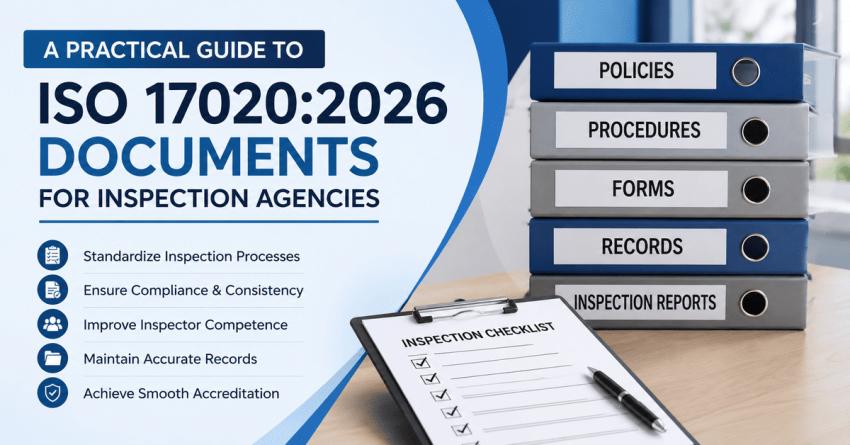
1. Quality Manual
This is the main document that defines your inspection agency structure, responsibilities, and policies. It acts as a roadmap for your entire system and ensures alignment with ISO requirements.
2. Standard Operating Procedures (SOPs)
SOPs explain how daily inspection activities are performed. These include inspection methods, complaint handling, equipment control, calibration activities, and reporting processes.
3. Forms and Records
Forms are used to collect real-time data from inspections. These include checklists, training records, calibration logs, and inspection reports.
4. Internal Audit and Review System
This ensures your organization regularly checks its own performance and improves weak areas before external audits.
Common Documentation Mistakes
Many inspection agencies face challenges during ISO 17020 audits due to avoidable documentation mistakes such as:
- Missing or incomplete procedures
- Outdated documentation formats
- Lack of proper record control
- Inconsistent inspection reporting
- Weak training documentation
These issues often lead to delays during ISO 17020:2026 accreditation assessments and may result in nonconformities during audits. Avoiding these mistakes helps improve audit performance, ensures better compliance, and strengthens the overall inspection management system.
How to Simplify ISO 17020 Documentation
Preparing ISO 17020 documents from scratch can be time-consuming and complex for many inspection agencies. It requires proper structure, planning, and a clear understanding of accreditation requirements.
Because of this, many organizations use standardized templates and formats to support documentation development. These help ensure consistency and reduce manual effort in preparing required documents.
Using pre-designed ISO 17020 documentation helps you:
- Save time in preparation
- Ensure compliance with requirements
- Reduce documentation errors
- Maintain consistency across departments
- Improve readiness for accreditation audits
Many inspection agencies use a structured ISO 17020:2026 documentation package to easily set up their company templates and support faster implementation with fewer errors and better control over documentation quality.
Conclusion
ISO 17020:2026 documentation is not just a formal requirement—it is the backbone of a successful inspection agency. Well-prepared documents help ensure smooth inspections, better internal control, and successful accreditation outcomes.
With the right documentation structure in place, inspection agencies can improve efficiency, reduce audit stress, and build stronger trust with clients and regulators.