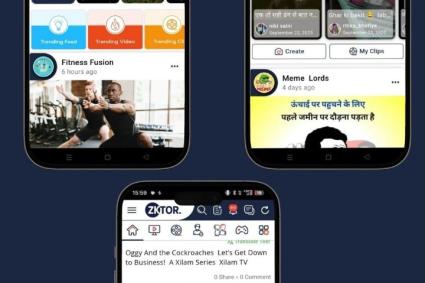
Headless CMS (Content Management System) development has revolutionized the way we interact with digital content on web applications. Unlike traditional monolithic CMS platforms, where all functionalities are tightly integrated within a single application, a Headless CMS operates as an independent system that provides APIs for fetching and manipulating content.
Benefits of Using a Headless CMS
- Increased Flexibility: Developers can tailor the CMS to their specific needs by selecting only the necessary features, resulting in a more efficient and scalable solution.
- Data Portability: The decoupled nature of a Headless CMS allows for seamless integration with various front-end technologies like React, Angular, Vue.js, or traditional web frameworks such as WordPress, ensuring consistent data across different platforms.
- Faster Load Times: By separating the presentation layer from the content layer, Headless CMS can significantly reduce load times and improve site performance. This is particularly beneficial for mobile applications where speed is crucial to user satisfaction.
- Simplified Maintenance: Since different parts of a Headless CMS are independent, updates or modifications typically affect only one component, making maintenance processes more manageable compared to traditional monolithic CMS setups.
Incorporating a Headless CMS into your digital strategy opens up numerous opportunities for businesses. It not only enhances user experience but also drives faster development cycles and cost-effective solutions. For instance, it allows startups or small enterprises to offer sophisticated features without the need for extensive investment in backend infrastructure.
Implementing a Successful Headless CMS
- Select Appropriate Technologies: Choose the right technologies that align with your project goals and scalability requirements. Popular front-end frameworks such as React, Angular, or Vue.js are well-suited for interacting with Headless CMS APIs.
- Optimize Data Fetching Processes: Implement efficient data fetching strategies to minimize latency and ensure a responsive user interface. Tools like GraphQL can help optimize API requests by providing dynamic queries tailored to specific needs.
- Ensure Security Measures Are in Place: As sensitive information is exposed via APIs, it's crucial to implement robust security protocols such as authentication, authorization, encryption, and data validation mechanisms to protect user data.
- Customize the User Experience: Customize your website’s frontend presentation layer according to brand guidelines and market demands. This ensures a consistent look and feel while enabling personalized experiences for users.
Ultimately, integrating a Headless CMS into your digital strategy can lead to significant improvements in performance, flexibility, and maintainability. It's not just about the technology itself but also how effectively you leverage these tools within your organization. By doing so, businesses can streamline their operations, improve user satisfaction, and achieve faster time-to-market for new products and features.