India's healthcare sector is growing rapidly. Hospitals, clinics, pharmaceutical companies, diagnostic centres, healthcare technology businesses, and telemedicine platforms continue to expand across the country. This growth creates new opportunities for investment, innovation, and improved patient care. At the same time, it brings a greater need for regulatory compliance and legal oversight.
Healthcare organisations operate within a highly regulated environment. They must comply with laws relating to patient safety, licensing, data privacy, employment practices, professional standards, and commercial operations. Failure to meet these obligations can result in penalties, legal disputes, regulatory action, and reputational damage.
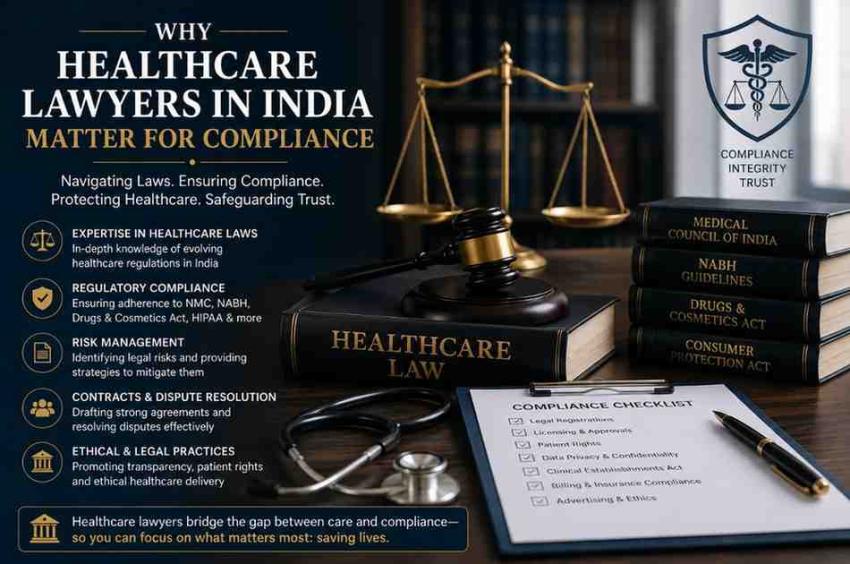
Healthcare lawyers play a critical role in helping organisations understand and fulfil these responsibilities. Their expertise helps businesses minimise risks, maintain compliance, and operate with greater confidence in an increasingly complex legal landscape.
Understanding the Compliance Challenges in Healthcare
Healthcare organisations face unique legal challenges compared with many other industries. Every aspect of their operations is subject to oversight from regulators and professional bodies.
From establishing a healthcare facility to managing patient records and maintaining operational standards, compliance obligations affect daily business activities. Regulatory requirements frequently evolve in response to technological advancements, public health priorities, and changing legal frameworks.
Keeping pace with these developments can be difficult for healthcare providers whose primary focus remains patient care. Healthcare lawyers help bridge this gap by providing specialised legal guidance and practical compliance solutions.
Supporting Licensing and Regulatory Approvals
One of the first compliance requirements for healthcare organisations involves obtaining necessary licences and approvals.
Hospitals, clinics, laboratories, pharmacies, and other healthcare facilities must satisfy regulatory standards before commencing operations. The application process often involves extensive documentation and detailed regulatory review.
Healthcare lawyers assist organisations throughout this process. They help prepare applications, review compliance requirements, and address regulatory concerns before they become obstacles.
This support improves efficiency and reduces the risk of delays or rejected applications.
Helping Organisations Navigate Regulatory Frameworks
Healthcare regulations cover a broad range of operational areas. Organisations must understand how various legal requirements affect their activities.
Healthcare lawyers assist businesses in interpreting regulations and applying them effectively within organisational processes.
Their guidance helps healthcare providers comply with obligations involving:
Patient care standards
Professional conduct requirements
Operational licences
Commercial agreements
Healthcare technology regulations
Regulatory reporting responsibilities
By providing clarity on complex legal issues, healthcare lawyers help organisations avoid compliance gaps.
Strengthening Internal Compliance Programmes
Effective compliance requires more than meeting minimum legal requirements. Organisations need systems and procedures designed to identify and address risks before they become significant problems.
Healthcare lawyers often assist in developing internal compliance programmes tailored to specific business operations.
These programmes may include policy development, governance procedures, employee training initiatives, and compliance monitoring mechanisms.
Strong compliance frameworks create a culture of accountability and support long term operational stability.
Protecting Patient Rights and Interests
Patient rights remain central to healthcare regulation. Healthcare providers must ensure patients receive appropriate information and are treated fairly throughout the care process.
Issues involving informed consent, confidentiality, access to medical information, and ethical treatment can create legal challenges if not managed properly.
Many healthcare organisations seek support from healthcare lawyers in India to establish policies and procedures that protect patient interests while ensuring compliance with applicable legal requirements.
This guidance helps reduce disputes and strengthens public trust.
Addressing Data Privacy and Information Security
Healthcare organisations handle large volumes of sensitive personal information. Medical records, treatment histories, diagnostic reports, and insurance details require careful management.
The growth of digital healthcare services has increased the importance of data protection and information security.
Healthcare lawyers assist organisations in developing privacy policies, reviewing data management practices, and addressing regulatory obligations relating to personal information.
Proper legal oversight helps reduce the risk of data breaches and regulatory investigations.
Assisting with Employment Compliance
Healthcare organisations employ diverse workforces consisting of doctors, nurses, technicians, administrators, and support personnel.
Employment related compliance involves numerous legal obligations concerning recruitment, workplace policies, compensation structures, disciplinary procedures, and employee rights.
Healthcare lawyers provide guidance on workforce management and help organisations develop legally compliant employment frameworks.
Strong employment practices contribute to operational stability and reduce the likelihood of workplace disputes.
Managing Commercial Contracts
Healthcare providers regularly enter contractual relationships with suppliers, service providers, technology companies, insurers, and healthcare professionals.
Contracts govern important business activities and establish responsibilities between parties.
Poorly drafted agreements can expose organisations to legal and financial risks.
Healthcare lawyers review and prepare contracts designed to protect organisational interests while ensuring compliance with applicable laws and regulations.
This support helps reduce disputes and creates greater certainty in commercial relationships.
Supporting Telemedicine and Healthcare Technology Businesses
Technology has transformed healthcare delivery across India. Telemedicine platforms, health applications, digital diagnostics, and remote monitoring solutions continue to reshape patient care.
These innovations offer significant opportunities but also create new compliance challenges.
Healthcare lawyers help businesses understand legal obligations relating to digital healthcare services, patient consent requirements, data protection standards, and regulatory expectations.
Their expertise allows healthcare technology companies to innovate while managing legal risks effectively.
Preparing for Regulatory Audits and Investigations
Regulatory inspections and audits are an important part of healthcare oversight.
Healthcare organisations must be prepared to demonstrate compliance with applicable regulations and professional standards.
Healthcare lawyers assist businesses in preparing documentation, reviewing compliance systems, and responding to regulatory enquiries.
When investigations occur, legal guidance can help organisations navigate proceedings efficiently and minimise disruption.
Preparation and proactive compliance often reduce the likelihood of adverse outcomes.
Reducing Exposure to Legal Disputes
Legal disputes can arise from patient complaints, contractual disagreements, employment matters, or regulatory concerns.
Healthcare lawyers help organisations identify potential areas of conflict and implement strategies to minimise risk.
Their role often includes reviewing policies, assessing operational practices, and providing advice on dispute prevention.
When disputes occur, legal professionals assist with negotiation, mediation, arbitration, or litigation as appropriate.
Early legal intervention frequently helps resolve issues before they escalate.
Supporting Corporate Governance and Growth
As healthcare organisations expand, governance and compliance responsibilities become more complex.
Business growth may involve investments, acquisitions, partnerships, restructuring activities, or expansion into new markets.
For organisations pursuing significant commercial opportunities, guidance from the best corporate lawyer in india can complement healthcare legal expertise and support strategic decision making.
Strong governance structures help organisations manage growth while maintaining compliance and accountability.
Enhancing Organisational Reputation
Reputation is one of the most valuable assets within the healthcare sector.
Patients, investors, regulators, employees, and business partners expect healthcare organisations to operate responsibly and ethically.
Compliance failures can damage public confidence and create long term consequences.
Healthcare lawyers contribute to reputation management by helping organisations maintain high legal and ethical standards.
Their support promotes transparency, accountability, and responsible business practices.
The Long Term Value of Compliance
Compliance should not be viewed merely as a legal requirement. It is also a strategic business priority.
Organisations with strong compliance systems are often better positioned to attract investment, secure partnerships, and respond to regulatory changes.
Healthcare lawyers help businesses create sustainable frameworks that support both legal compliance and operational success.
Their expertise provides valuable protection in an industry where legal expectations continue to evolve.
Conclusion
Compliance has become an essential component of healthcare operations in India. From licensing and patient rights to data privacy, employment practices, and commercial transactions, legal obligations influence every aspect of the healthcare sector.
Healthcare lawyers provide the specialised knowledge needed to navigate these responsibilities effectively. Their guidance helps organisations reduce risk, strengthen governance, maintain regulatory compliance, and protect their reputation.
As healthcare continues to evolve through innovation and growth, professional legal support will remain a crucial resource for organisations seeking long term stability and success. Businesses that prioritise compliance today are better equipped to meet future challenges and opportunities.