Worker safety remains one of the most critical priorities across industrial sectors worldwide. In environments where employees are exposed to fire hazards, electrical arc flashes, combustible dust, molten metal splashes, or flash fires, ordinary work clothing is insufficient to provide adequate protection. This is where Flame-Resistant (FR) workwear plays a vital role.
FR workwear is specifically engineered to protect workers from thermal hazards by minimizing burn injuries and reducing the likelihood of clothing ignition. Unlike conventional garments, flame-resistant clothing is designed to self-extinguish when exposed to flames and limit the spread of fire across the fabric.
Industries such as oil and gas, electrical utilities, manufacturing, mining, welding, chemical processing, and construction increasingly rely on FR workwear to protect employees and comply with occupational safety regulations. Beyond regulatory compliance, FR garments contribute significantly to workplace safety culture, productivity, and employee confidence.
This article explores the importance of FR workwear, how it functions, industry applications, safety standards, key garment types, selection criteria, and best practices for maintenance.
What Is FR Workwear?
Flame-Resistant (FR) workwear refers to protective clothing designed to resist ignition, prevent the spread of flames, and reduce heat transfer to the wearer's skin when exposed to fire or thermal hazards.
The primary purpose of FR clothing is not to make workers fireproof but to provide critical protection that allows sufficient time for escape and reduces the severity of burn injuries.
When exposed to flame or high heat, FR fabrics are engineered to:
- Resist ignition
- Self-extinguish after the ignition source is removed
- Minimize after-flame and after-glow effects
- Reduce heat transfer to the skin
- Maintain garment integrity during thermal exposure
These properties distinguish FR workwear from standard industrial clothing, which may continue burning and increase injury severity.
Why FR Workwear Is Important
Industrial environments often contain hazards capable of causing severe burns within seconds. Even brief exposure to flash fires or electrical arcs can result in life-threatening injuries.
FR workwear provides a critical layer of protection against such risks.
Protection Against Flash Fires
Flash fires are sudden, intense fires that spread rapidly through flammable gases, vapors, or combustible liquids.
Workers in petrochemical facilities, refineries, and fuel storage operations face elevated flash fire risks. FR clothing helps reduce burn severity by limiting flame spread and thermal exposure.
Arc Flash Protection
Electrical workers are exposed to arc flash incidents, which can generate temperatures exceeding 19,000°C—hotter than the surface of the sun.
FR garments designed for arc-rated protection help shield workers from thermal energy released during electrical faults.
Reduced Burn Injuries
One of the most significant benefits of FR workwear is its ability to reduce both first-degree and severe burn injuries by providing an insulating barrier against heat.
Improved Workplace Safety
Organizations that implement comprehensive FR clothing programs demonstrate a proactive commitment to employee well-being and risk reduction.
How FR Fabrics Work
The effectiveness of FR workwear depends largely on the fabric technology used.
Unlike ordinary textiles that ignite and continue burning, FR fabrics are engineered to interrupt the combustion process.
When exposed to flame:
- The fabric resists ignition.
- It forms a protective char layer.
- Oxygen access is reduced.
- Heat transfer slows down.
- Flames self-extinguish once the ignition source is removed.
This protective mechanism significantly reduces injury potential.
Inherent Flame Resistance
Some fibers possess permanent flame-resistant properties built into their molecular structure.
Examples include:
- Aramid fibers
- Meta-aramid
- Para-aramid
- Modacrylic blends
Because the flame resistance is inherent to the fiber itself, it cannot be washed out or worn away.
Treated Flame Resistance
Other fabrics achieve flame resistance through specialized chemical treatments applied during manufacturing.
These treatments enable the fabric to resist ignition while maintaining comfort and durability.
Modern treated FR fabrics are designed to retain protective properties throughout the garment's service life when properly maintained.
Industries That Require FR Workwear
Numerous industries rely on FR garments to protect employees from thermal hazards.
Oil and Gas Industry
Workers in drilling, refining, transportation, and petrochemical operations face significant flash fire risks.
FR coveralls, shirts, and jackets are often mandatory in these environments.
Electrical Utilities
Electrical technicians, maintenance personnel, and power generation workers require arc-rated FR clothing to protect against arc flash incidents.
Manufacturing
Many manufacturing processes involve heat, sparks, molten materials, and combustible substances that necessitate flame-resistant protection.
Welding and Metal Fabrication
Welders are routinely exposed to sparks, molten metal spatter, and radiant heat.
FR garments help prevent burns and clothing ignition.
Chemical Processing
Facilities handling flammable chemicals often require workers to wear FR clothing as part of comprehensive hazard management programs.
Mining
Underground mining operations may expose workers to fire, explosion, and thermal hazards.
FR workwear provides an essential safety layer in these environments.
Common Types of FR Workwear
FR protection is available across a wide range of garment categories.
FR Shirts
Flame-resistant shirts are among the most commonly used FR garments.
Benefits include:
- Lightweight protection
- Comfort during long shifts
- Compatibility with layered PPE systems
FR Trousers
Designed to protect the lower body from thermal hazards while providing durability and mobility.
FR Coveralls
Coveralls offer full-body protection and are widely used in oil and gas, chemical, and industrial environments.
Advantages include:
- Comprehensive coverage
- Reduced exposure points
- Easy compliance with safety requirements
FR Jackets
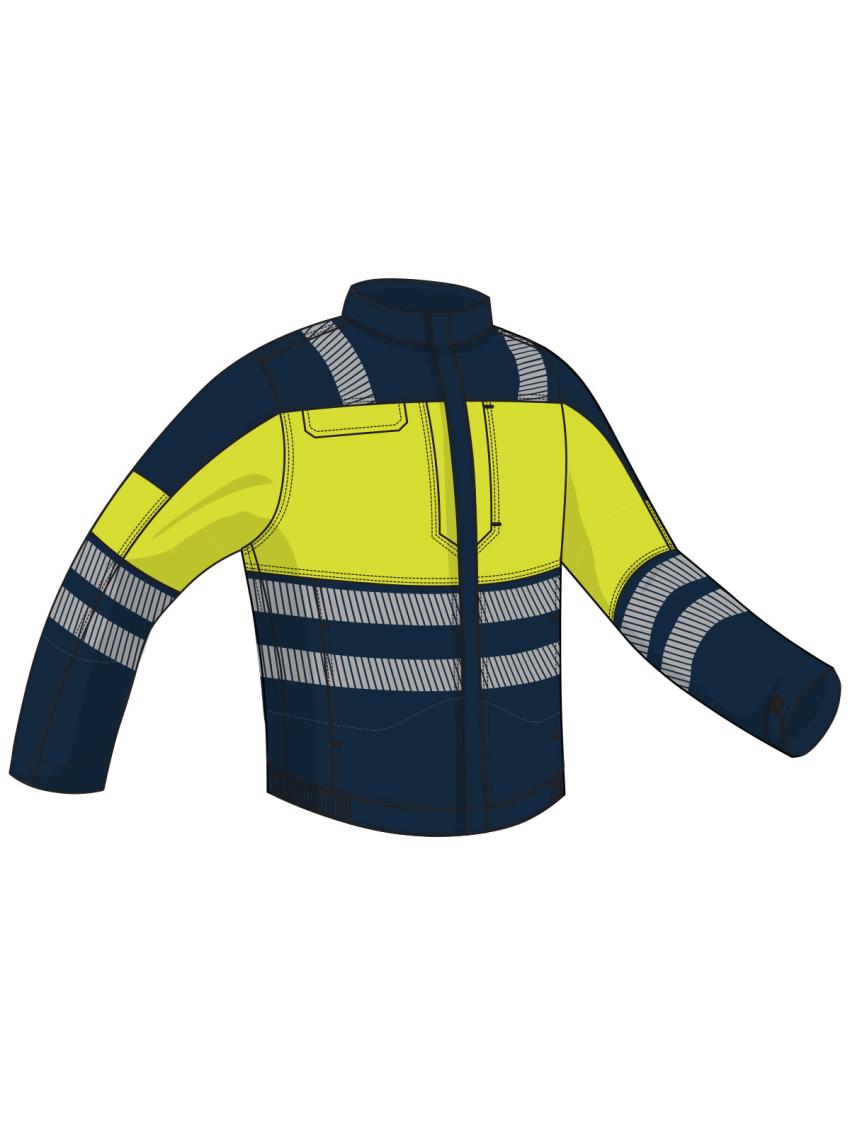
FR jackets provide additional thermal protection in colder environments or during high-risk operations.
FR Rainwear
Specialized FR rainwear combines weather protection with flame resistance for outdoor workers.
Arc-Rated Garments
Arc-rated FR clothing is specifically tested and certified to withstand thermal energy generated during arc flash incidents.
Key Features of High-Quality FR Workwear
When selecting FR garments, organizations should evaluate several important features.
Certified Flame Resistance
The garment should comply with recognized safety standards and performance requirements.
Comfort and Breathability
Worker compliance improves when clothing remains comfortable throughout extended shifts.
Modern FR fabrics are engineered to balance protection and wearability.
Durability
Industrial work environments demand garments capable of withstanding abrasion, repeated laundering, and physical stress.
Moisture Management
Advanced FR fabrics often incorporate moisture-wicking technologies that improve comfort in hot conditions.
Mobility and Ergonomics
Properly designed garments allow unrestricted movement while maintaining protective coverage.
Visibility Options
Many FR garments are available with high-visibility features for workers operating near traffic, heavy equipment, or low-light environments.
Understanding FR Safety Standards
Compliance with recognized standards helps ensure consistent protection levels.
NFPA 2112
NFPA 2112 establishes performance requirements for flame-resistant garments used to protect workers from flash fire hazards.
Garments meeting this standard undergo extensive testing for:
- Flame resistance
- Heat transfer performance
- Thermal shrinkage
- Overall garment integrity
NFPA 70E
NFPA 70E addresses electrical safety in the workplace and provides guidance regarding arc flash protection.
Workers exposed to electrical hazards often require arc-rated FR garments that comply with this standard.
ASTM Standards
Various ASTM standards establish testing procedures for flame resistance, thermal performance, and garment durability.
ISO Standards
International standards provide globally recognized benchmarks for protective clothing performance.
Choosing the Right FR Workwear
Selecting appropriate FR clothing requires a thorough hazard assessment.
Identify Workplace Risks
Employers should evaluate:
- Flash fire exposure
- Arc flash hazards
- Molten metal risks
- Chemical exposure
- Environmental conditions
Determine Required Protection Levels
Different tasks require different levels of protection.
Higher-risk activities may necessitate garments with greater thermal protective performance.
Consider Layering Systems
Layered FR clothing systems can significantly increase protection levels while maintaining flexibility.
Evaluate Climate Conditions
Hot environments may require lightweight FR fabrics, while colder conditions may demand insulated FR outerwear.
Ensure Proper Fit
Ill-fitting garments can compromise safety and worker comfort.
Appropriate sizing is essential for effective protection.
Maintaining FR Workwear
Proper maintenance is crucial for preserving protective performance.
Follow Manufacturer Instructions
Always follow recommended laundering procedures.
Improper washing methods may damage fabrics or reduce garment lifespan.
Inspect Garments Regularly
Look for:
- Tears
- Excessive wear
- Burn damage
- Missing closures
- Contamination
Damaged garments should be repaired or replaced promptly.
Avoid Unauthorized Alterations
Modifications can compromise protective performance and certification compliance.
Replace When Necessary
FR clothing should be replaced when wear, damage, or contamination affects protective capabilities.
Common Misconceptions About FR Workwear
"FR Clothing Makes Workers Fireproof"
FR clothing reduces injury severity but does not eliminate all risks associated with thermal hazards.
"All Flame-Resistant Clothing Is the Same"
Protection levels vary significantly depending on fabric type, construction, and certification.
"FR Properties Wash Out Easily"
Quality FR garments are designed to maintain protection throughout their intended service life when properly cared for.
"Only High-Risk Industries Need FR Clothing"
Many workplaces contain hidden thermal hazards that warrant FR protection following proper risk assessment.
The Future of FR Workwear
Advancements in textile technology continue to improve FR garment performance.
Emerging trends include:
- Lighter-weight fabrics
- Improved moisture management
- Enhanced comfort and mobility
- Sustainable FR materials
- Smart PPE integration
- Multi-hazard protective clothing
Manufacturers are increasingly focused on combining protection, durability, and wearer comfort to improve safety outcomes and user acceptance.
Conclusion
Flame-Resistant workwear is an essential component of workplace safety in industries where employees face thermal hazards, flash fires, electrical arcs, and combustible environments. By resisting ignition, limiting flame spread, and reducing heat transfer, FR garments play a critical role in minimizing burn injuries and protecting workers during emergency situations.
Whether used in oil and gas operations, electrical utilities, manufacturing facilities, mining sites, or welding environments, FR workwear provides a proven and effective layer of protection. However, achieving optimal safety requires more than simply wearing FR clothing. Proper hazard assessment, garment selection, maintenance, training, and compliance with recognized safety standards are equally important.
As workplace safety expectations continue to evolve, organizations that invest in high-quality FR workwear demonstrate their commitment to protecting their workforce, reducing operational risks, and fostering a culture of safety excellence.