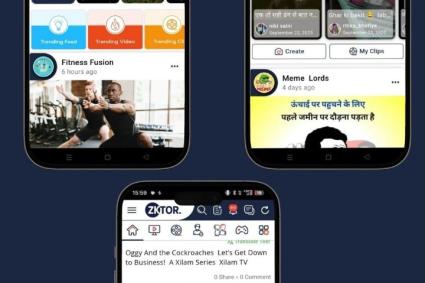
As we enter a new era of fitness and sports, the integration of cutting-edge digital solutions is transforming how individuals engage with their physical activity and wellness routines. From AI-powered coaching tools that offer personalized guidance to smart wearable devices monitoring vital health metrics in real-time, these advancements are not only enhancing user experiences but also driving significant improvements in outcomes.
AI-Powered Coaching Tools
AI has revolutionized the way fitness professionals deliver training sessions. These tools use machine learning algorithms to analyze users' workout data and provide tailored guidance based on their performance, needs, and goals. Not only does this ensure a more effective workout routine, but it also makes the process more engaging for users who might otherwise lose motivation or feel overwhelmed by traditional coaching methods.
Real-Time Health Monitoring
Smart wearable devices equipped with IoT sensors can track various health metrics such as heart rate, steps taken, calories burned, and even sleep patterns. Users receive real-time feedback from these devices that helps them make informed decisions about their fitness routine. For instance, if a user's activity levels drop below an optimal threshold, the device could notify them through notifications or alerts on their smartphones.
Personalized Fitness Programs
With data-driven insights derived from AI and IoT technologies, fitness programs can be customized to individual needs with greater precision. Users can set specific goals related to weight loss, muscle building, endurance training, etc., and receive ongoing guidance and support tailored to their unique circumstances. This level of personalization not only increases user satisfaction but also drives higher engagement rates.
Integration with Existing Platforms
To maximize the impact of these digital innovations, it's crucial that they integrate seamlessly with existing platforms used by users and fitness professionals alike. For example, integrating AI coaching tools into popular fitness apps or wearable devices enables a more cohesive user experience where all relevant information is accessible at a glance.
Business Growth Opportunities
The convergence of technology in the fitness and sports industry presents significant opportunities for businesses to engage with their customers on a deeper level. By offering solutions that leverage AI, IoT, and other digital technologies, companies can differentiate themselves from competitors, providing value-added services that enhance user experiences and foster long-term loyalty.
Challenges and Future Outlook
While the integration of technology in fitness and sports offers many benefits, there are challenges to consider. Privacy concerns related to data collection must be addressed through transparent practices and secure infrastructure. Additionally, ensuring equitable access to these digital tools is essential for fostering a more inclusive fitness environment where everyone can benefit from the latest advancements.
Conclusion
In conclusion, as the landscape of fitness and sports continues to evolve with the help of technology, businesses that embrace digital transformation stand to gain substantial advantages. By harnessing AI-powered coaching tools, real-time health monitoring capabilities, personalized fitness programs, and seamless platform integration, companies can create more engaging, effective, and data-driven experiences for their customers. As we move forward, it's crucial to continue prioritizing user-centric design while addressing potential challenges in order to fully realize the transformative power of digital solutions within this dynamic sector.