Late one evening inside a modern manufacturing plant, hundreds of machines moved in perfect coordination.
Robotic arms lifted metal sheets. Conveyor belts transported materials from one station to another. Sensors monitored temperature, pressure, and speed. A central control panel managed everything with precision.
To an observer, it looked like magic.
But behind the scenes, something small yet powerful made this synchronization possible.
Control cables.
These cables quietly transmit signals between control systems and machines, allowing industries to operate, monitor, and automate machinery, robotics, and industrial systems.
Without them, modern factories, power plants, and automated infrastructure would struggle to function.
Although many people recognize power cables or electrical wiring, control cables remain less understood. Yet they play a critical role in automation systems, safety circuits, and industrial communication networks.
This comprehensive guide explains everything you need to know about control cables and their importance in industries worldwide and control cables in Pakistan
By the end, you will understand why engineers rely heavily on these cables to keep complex systems running smoothly.
What Are Control Cables?
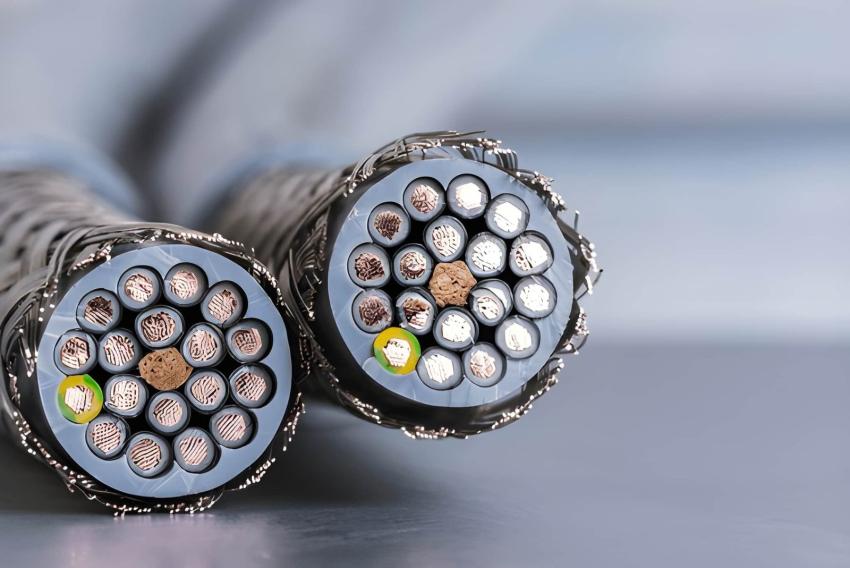
Control cables are specialized multi-core electrical cables designed to transmit electrical signals rather than high electrical power.
Their main purpose is communication between equipment and control systems.
These cables allow machines to receive commands and send feedback signals.
In simple terms, control cables act as the nervous system of industrial operations.
They connect:
- Control panels
- Sensors
- Switches
- Programmable logic controllers (PLCs)
- Industrial machines
This communication enables systems to operate, monitor, and automate machinery, robotics, and industrial systems efficiently.
Most control cables belong to the category of low voltage cables, meaning they are designed for signal transmission rather than heavy electrical loads.
DID YOU KNOW?
Many modern factories contain thousands of meters of control cables, connecting sensors, control panels, and machines to ensure precise automation.
Without these signal cables, automated production lines could not function effectively.
How Do Control Cables Work?
To understand how control cables work, imagine a command system inside a factory.
A control panel sends a signal to a motor instructing it to start rotating. At the same time, sensors monitor speed and temperature.
All these signals travel through multi-core electrical cables.
Here is the basic process:
- Signal Transmission: The control panel sends electrical signals through the cable to machinery or devices.
- Communication: Machines send feedback signals back through the cable to the control system.
- Automation: Controllers process the information and adjust machine operations automatically.
Through this communication loop, systems can operate, monitor, and automate machinery, robotics, and industrial systems continuously.
Voltage Rating of Control Cables
One common question people ask is about the voltage range of these cables.
Control cables typically fall under low voltage cables.
Typically Up to 600V/1000V
Most control cables are designed for voltage ratings typically up to 600V/1000V.
This voltage range is sufficient for transmitting control signals and operating industrial control circuits.
Because they do not carry heavy electrical loads like power cables, control cables focus on signal stability and communication accuracy.
Key Components of Control Cables
Control cables consist of multiple layers designed for signal protection and durability.
- Conductors: Usually made from copper for efficient signal transmission.
- Insulation: Insulation materials may include PVC, XLPE, or LSZH depending on environmental requirements.
- Shielding: Shielding protects signals from electrical interference in industrial environments.
- Outer Sheath: The outer protective layer shields the cable from environmental damage, chemicals, and mechanical stress.
Types of Control Cables
Understanding the types of control cables helps engineers select the right cable for each application.
- Unshielded Control Cable: These cables do not include electromagnetic shielding. They are commonly used in environments with minimal electrical interference where signal distortion risk is low.
- Shielded Control Cable: Shielded cables contain metallic layers that protect signals from electromagnetic interference. They are often used in factories where heavy electrical equipment operates nearby.
- Flexible Cable: Flexible cable designs allow bending and movement. These cables are used in robotics and machinery where cables must move continuously without breaking.
- Armoured Control Cable: These cables include a metal armor layer for mechanical protection. They are suitable for harsh industrial environments or underground installations.
Each cable type supports reliable communication between machines and control systems.
Uses of Control Cables
The uses of control cables extend across multiple industries.
- Industrial Automation: Control cables connect sensors, motors, and control panels in automated production lines.
- Robotics Systems: Robotic arms require flexible cable solutions that allow continuous movement without damaging conductors.
- Power Plants: Control cables transmit monitoring signals for pressure, temperature, and operational status.
- Manufacturing Plants: Factories use control cables to synchronize machinery and maintain operational safety.
- Building Management Systems: Modern buildings use control cables to regulate lighting, HVAC systems, and security infrastructure.
These applications demonstrate how industries rely on cables to operate, monitor, and automate machinery, robotics, and industrial systems effectively.
Insulation Materials Used in Control Cables
Different insulation materials determine how cables perform under environmental stress.
- PVC Insulation: PVC insulation is widely used because it offers durability and cost efficiency. It protects conductors from moisture and mechanical damage.
- XLPE Insulation: XLPE insulation offers excellent thermal resistance and durability, making it suitable for demanding industrial environments.
- LSZH Insulation: LSZH (Low Smoke Zero Halogen) insulation is designed for safety in enclosed spaces. In case of fire, it produces minimal smoke and no toxic halogen gases.
These insulation materials help control cables maintain performance in different working environments.
Why Control Cables Are Essential for Automation
Industrial automation requires constant communication between machines and control systems.
Control cables perform this communication role by transmitting signals reliably.
These cables enable systems to:
- Monitor machine performance
- Adjust operational speed
- Detect faults
- Trigger safety responses
Without these cables, modern factories would struggle to maintain synchronized operations.
Growing Demand for Control Cables in Pakistan
Industrial development in Pakistan continues to increase demand for automation systems.
Manufacturing plants, energy projects, and smart infrastructure require reliable communication networks.
This growth has increased demand for control cables in Pakistan, particularly in industries such as:
- Manufacturing
- Power generation
- Oil and gas
- Construction automation
As industries modernize, demand for high-quality multi-core electrical cables and automation wiring continues to grow.
Because of this trend, many companies seek the best cables in Pakistan for reliable signal transmission systems.
Why Universal Cables Industries Ltd. Is Trusted for Control Cables
When discussing control cables in Pakistan, experienced manufacturers play a critical role in delivering reliable electrical infrastructure.
Universal Cables Industries Ltd. is recognized among the leading electric cables manufacturers in Pakistan, known for producing high-quality cable solutions for industrial and infrastructure projects.
With a legacy as Pakistan's premium selling copper cables since 1978., the company focuses on durable conductors, advanced insulation materials, and reliable manufacturing processes.
Because of its consistent quality and engineering standards, many industry professionals consider their products among the best electric cables in Pakistan for industrial wiring and automation systems.
Reliable manufacturers ensure that cables used in complex automation environments maintain signal integrity and operational safety.
Final Thoughts: The Hidden Network Behind Modern Automation
Control cables rarely attract attention.
They remain hidden inside control panels, beneath factory floors, and within cable trays across industrial facilities.
Yet they quietly coordinate machines, sensors, and control systems that power modern industry.
From robotic assembly lines to power plant monitoring systems, these cables allow engineers to operate, monitor, and automate machinery, robotics, and industrial systems efficiently.
Understanding how they work—and choosing the right types of control cables—ensures reliable automation and operational safety.
“The present is theirs; the future, for which I really worked, is mine.” Nikola Tesla
Control cables are part of that future—connecting machines, enabling automation, and powering the intelligent industries of tomorrow