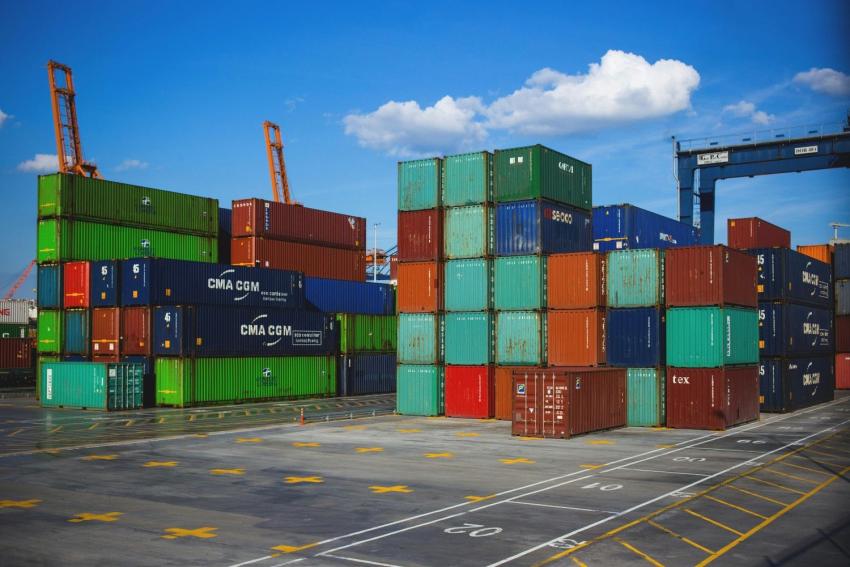
Businesses today operate in a world that is more connected and unpredictable than ever before. From global pandemics to geopolitical tensions and extreme weather events, the modern enterprise faces a wide variety of disruptions that can break even the most carefully planned operations. This is where supply chain risk becomes a real and pressing concern. Companies that understand and prepare for these risks do not just survive tough times, they actually come out stronger than their competitors.
The ability to anticipate, respond to, and recover from disruptions is no longer a secondary concern for business leaders. It has moved to the center of strategic planning. Enterprises that treat resilience as a core capability are building something competitors cannot easily copy.
The shift from reactive to proactive thinking
For a long time, most companies dealt with supply chain problems after they happened. A supplier failed, a shipment was delayed, a factory shut down, and then the business scrambled to fix things. This response-driven method tends to be both expensive and time-consuming. It drains resources, damages customer relationships, and often leads to rushed decisions that create new problems.
The shift happening right now is toward proactive thinking. Companies are investing in better data, stronger supplier relationships, and scenario planning so they can spot problems early and act before a disruption turns into a crisis. This kind of foresight is a genuine competitive edge.
How risk management creates competitive strength
Strong risk management is not simply about avoiding problems. It is about building systems and relationships that allow a company to keep delivering value to customers even when circumstances are difficult. When competitors are struggling to find materials or meet orders, a well-prepared enterprise can step in and fill that gap.
There are a few key areas where this competitive strength shows up clearly. First, companies with robust risk processes tend to have more diversified supplier bases. They do not rely on a single source for critical materials. Second, they invest in real-time visibility tools that show exactly where inventory is and where potential bottlenecks might form. Third, they build financial buffers and flexible contracts that give them options when things change quickly.
Case Study 1: Toyota and the 2011 Japan earthquake
When a massive earthquake and tsunami struck Japan in 2011, Toyota faced serious disruptions across its supply network. However, the company had already developed a supplier mapping system that tracked second and third-tier suppliers. This allowed Toyota to identify exactly which components were at risk within days of the disaster. While competitors took months to recover full production, Toyota used this visibility to source alternative suppliers faster, reducing its recovery time significantly. This investment in supply chain intelligence paid off not just in recovery speed but also in trust from customers and investors.
Case Study 2: Apple's supplier diversification strategy post-2020
During and after the COVID-19 pandemic, Apple accelerated its efforts to reduce dependence on single-country manufacturing. By working with suppliers in India and Vietnam alongside its established base in China, Apple was able to maintain product launches and manage component shortages better than many of its rivals. This strategic diversification, built over years of careful risk planning, meant that Apple kept its supply commitments to retail partners while competitors faced months-long delays. The result was a measurable gain in market share during a period of widespread global disruption.
The role of technology and data
Modern enterprises are using technology to get much better at identifying and managing risk. Tools that monitor supplier financial health, track geopolitical developments, and model the impact of various disruption scenarios are now accessible even to mid-sized businesses. Artificial intelligence and machine learning are being used to analyze patterns in supply chain data that humans would never spot on their own.
This data-driven approach allows companies to move faster and with more confidence. Instead of guessing how a disruption might affect operations, leadership teams can look at modeled scenarios and make decisions based on evidence.
Building a culture of resilience
Technology alone is not enough. The companies that are truly ahead of the curve have also built a culture where resilience is valued and rewarded. This means teams at every level are encouraged to flag potential risks, share information across departments, and think beyond their immediate responsibilities. A procurement team that communicates openly with logistics, finance, and operations creates a much stronger safety net than one that works in isolation.
Leadership matters here too. When executives treat supply chain resilience as a strategic priority rather than a cost center, the rest of the organization follows. Investment in training, process improvement, and cross-functional collaboration pays dividends over time.
Turning risk into opportunity
One of the most important insights in this field is that risk management is not just defensive. It opens doors. When a company has the processes and relationships in place to absorb shocks, it can also move faster when opportunities arise. A supplier that suddenly has capacity available, a new market that opens up, or a competitor that stumbles, these situations reward the enterprise that is ready to act quickly and confidently.
The enterprises that are winning right now are not the ones that simply avoided problems. They are the ones that built the capability to respond, adapt, and grow no matter what conditions they face.
Conclusion
The business environment will continue to produce surprises. Climate change, shifting trade policies, new technologies, and evolving consumer expectations will all create fresh sources of uncertainty. Every major supply chain risk event is a reminder that the companies with the deepest resilience capabilities are the ones that endure and grow. For forward-thinking enterprises, supply chain resilience is not a burden. It is one of the most valuable competitive advantages available today, and the organizations that invest in it now are the ones that will lead their industries tomorrow.
Frequently asked questions
1. What is the difference between supply chain resilience and supply chain efficiency?
Efficiency focuses on doing things faster and at lower cost, often by reducing buffers and concentrating suppliers. Resilience focuses on the ability to absorb disruptions and recover quickly. The two are not opposites, but companies sometimes sacrifice resilience for short-term efficiency gains, which can be costly during crises.
2. How can small and mid-sized businesses start building supply chain resilience?
Smaller businesses can start by mapping their top suppliers and identifying which ones would cause the most damage if they failed. From there, they can work on building relationships with at least one alternative supplier for critical items and begin tracking basic risk signals like supplier financial health and lead time trends.
3. Is investing in supply chain risk management worth the cost?
Yes. Research consistently shows that companies with mature supply chain risk programs recover from disruptions faster and at lower total cost than those without them. The investment also supports better customer satisfaction, stronger supplier relationships, and long-term financial stability.
4. What are the most common sources of supply chain disruption today?
The most common sources include extreme weather events, supplier financial instability, geopolitical conflicts and trade restrictions, cyber attacks on supply chain partners, and transportation bottlenecks. Pandemics and public health emergencies have also become a recognized category following the events of 2020 and beyond.
5. How does supply chain risk management connect to sustainability goals?
The two are closely linked. Companies that understand and map their supply chains thoroughly are better positioned to identify environmental and social risks. Many of the same tools used for risk management, such as supplier audits, visibility platforms, and scenario planning, also support sustainability reporting and ethical sourcing commitments.