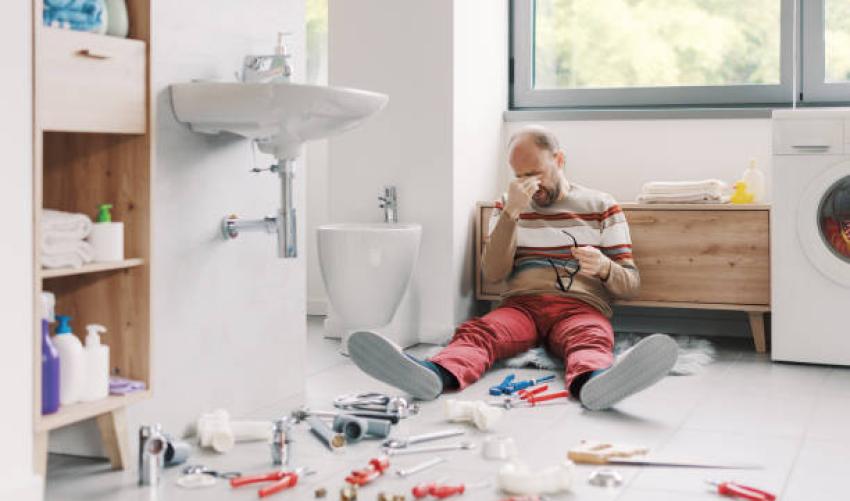
Rain can feel calm at first. Then, suddenly, drains slow down, toilets gurgle, and basements smell odd. After a heavy storm, many homes face plumbing trouble because water moves fast underground. It pushes soil, fills pipes, and adds pressure to weak spots. So, even small issues can grow quickly. Good service helps homeowners catch problems early and avoid bigger damage. With the right help, common residential plumbing problems after rain become easier to manage. This guide explains why rain affects pipes, drains, sewers, and fixtures. Also, it shares simple steps that keep a home safer after wet weather.
Rain Adds Extra Pressure Underground and Causes Common Residential Plumbing Problems
Heavy rain soaks the ground around a home. As the soil fills with water, it gets heavier. Then, it presses against buried pipes and drain lines. Older pipes may shift, crack, or loosen at weak joints. Also, water can enter tiny gaps near pipe connections. Over time, that extra flow can overload the plumbing system. Because of this, drains may act strangely after storms. A sink may empty slowly. A toilet may bubble. A floor drain may smell bad.
Even newer systems can struggle during long periods of rain. However, regular checks help catch early warning signs. When experts inspect lines, they can find soft spots, cracks, and blockages before damage spreads.
Stormwater Can Overload Sewer Lines
Sewer lines handle used water from sinks, tubs, toilets, and appliances. During heavy rain, extra groundwater may leak into old sewer pipes. As a result, the system may move more slowly than normal. This can lead to backups, bad smells, or wet spots in the yard. Also, tree roots can make the issue worse. Roots often enter small pipe cracks. Then, they trap waste and debris.
Homeowners can lower risk with plumbing maintenance tips 2026 that focus on camera inspections, drain cleaning, and early leak checks. These smart steps help protect drains before the next storm hits. Plus, they make repairs easier to plan. A clean sewer line works better when rain adds pressure outside.
Small Clogs Grow Fast After Rain
A small clog may seem harmless on dry days. Yet rain can change that fast. Extra water can push grease, soap, dirt, and waste toward narrow pipe areas. Then, the clog gets tighter. This is where common residential plumbing problems often become more noticeable. A bathtub may drain slowly after one storm. A kitchen sink may burp after another. Soon, several drains may slow down at once.
Because water follows the easiest path, it may back up through lower drains first. So, basement bathrooms often show signs early. Quick drain service can remove buildup before it causes damage. Also, it helps restore a steady flow through the whole home.
Warning Signs Homeowners Should Notice
Rain-related plumbing trouble usually gives clues. However, many people miss them at first. A gurgling drain may sound minor. Yet it can point to trapped air or a blocked sewer line. The same goes for damp floors, odd smells, or toilets that flush slowly. These signs matter because home plumbing problems can spread after repeated storms. Early action keeps repairs smaller and safer.
Watch for these signs after heavy rain:
- Water backing up in tubs or floor drains
- Toilets bubbling during sink or washer use
- Bad smells near drains or outside cleanouts
- Wet patches in the yard
- Slow drains in more than one room
Also, note when the problem starts. That timing helps experts find the cause faster.
Sump Pumps Work Hard During Storms
A sump pump removes water from low areas near the foundation. During heavy rain, it may run more often. If it fails, water can collect fast. Then, basements may flood. Also, pumps need clean pits, working floats, and clear discharge lines. If dirt blocks the pump, it may not move water well. If the outlet freezes or clogs, water may return toward the home. Common residential plumbing problems can show up when one part of the system works too hard. A sump pump check before rainy seasons can prevent big messes. Battery backups also help during power outages. Because storms often cause outages, backup power adds real protection.
Rain Issue Possible Plumbing Result Helpful Service
Saturated soil Pipe movement Leak inspection
Sewer overload Drain backup Sewer cleaning
Pump strain Basement water Sump pump check
Yard Drainage Can Affect Indoor Plumbing
A yard may look fine after rain. Still, water may collect near the foundation. When it pools there, pressure builds around the home. Then, moisture can find cracks or weak pipe entries. Poor grading, blocked gutters, and clogged outdoor drains can make this worse. So, outdoor water control matters. It protects the inside plumbing system, too. Many home plumbing problems start outside before they show inside. For example, a blocked yard drain can push water toward the basement drains. Also, a broken underground line can keep the soil wet for days. Homeowners should look outside after storms. They should check gutters, downspouts, drain covers, and low spots. These simple checks can reveal trouble early.
Easy Steps That Help After Rain
After a storm, a quick home check can prevent stress. It does not take long. Also, it helps people spot changes before damage grows. Start with the lowest drains in the home. Then, check the bathrooms, the kitchen, and the laundry area. After that, walk outside and look near the cleanout, yard drains, and foundation.
These steps can help:
- Run water in sinks and watch the drainage speed
- Listen for bubbling or gurgling sounds
- Check the basement for damp spots
- Look for standing water near the home
- Call experts when several drains slow down together
Because storms can hide damage, quick checks matter. They help keep repair costs under control.
Stay Dry, Stay Ready, And Call The Right Experts
Rain will always test a plumbing system. However, smart care keeps small issues from turning into major damage. After storms, homeowners should watch drains, smells, yard water, and sump pump activity. Also, they should act fast when several signs appear together.
For dependable help after heavy rain, Speedy Plumbing LLC can inspect drains, check sewer lines, and fix storm-related plumbing issues. Call today to schedule service. Keep the next rainstorm from turning into a plumbing emergency.